


-
The Bank of Japan kept interest rates unchanged at 0.75% (by a vote of 8–1). One member voted for a hike, signaling a more hawkish direction within the bank. The BOJ still leans toward tightening policy but remains cautious due to global uncertainty.
-
The Bank of England is expected to keep interest rates at 3.75% amid rising inflation risks. The market has shifted from expecting rate cuts to pricing in possible hikes later in 2026. Inflation could rise again to around or above 3%. Policymakers are likely to remain cautious due to weak economic growth.
-
The United States is considering a plan to insure commercial ships passing through the Strait of Hormuz. Vessels would need to purchase insurance via the Development Finance Corporation, potentially in cooperation with private insurer Chubb, to qualify for US Navy escort.
-
Oil prices are gaining 2.80% to 108 USD per barrel, while gold is down 0.35% to 4,800 USD per ounce.
-
Reports suggest that the US is preparing a military operation aimed at securing the Strait of Hormuz. Units such as the USS Tripoli may be deployed to the region, and operations could last several weeks. Support may be provided by Gulf states and Israel. Such an intervention would also represent a significant escalation of the conflict.
-
Diplomatic tensions in the Middle East have clearly deteriorated — Qatar has expelled Iranian diplomats, and Saudi Arabia has intensified its rhetoric.
-
Asian equity markets are declining sharply, with Japan’s Nikkei falling more than 3.0% following a weak session on Wall Street. Chinese indices are down between 1.50–2.00%. Sentiment remains fragile amid escalating geopolitical tensions.
-
Labor market data from Australia showed strong employment growth but an increase in unemployment to 4.3%. Despite the mixed data, the RBA’s stance remains hawkish. The central bank is focused on inflation risks stemming from higher energy prices. The market still expects further rate hikes.
-
The RBA warned that the conflict in the Middle East could trigger a major global shock. Key risks highlighted include a sharp asset sell-off, rising inflation, and strains on public finances.
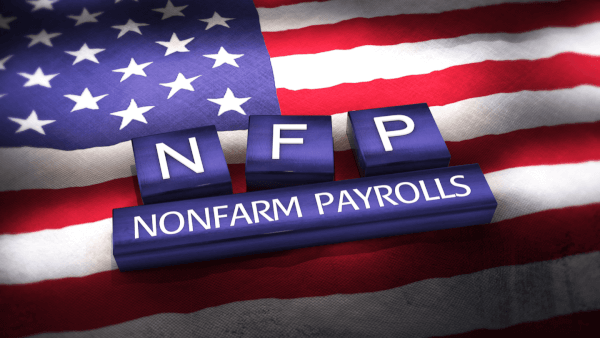

Economic Calendar: NFP Data Overshadowed by the Holiday Break


Economic calendar: Smaller US labour market reports set to fight for attention amid geopolitics (02.04.2026)


Daily Summary - Markets Await Trump's Address

BREAKING: ISM shows that expansion continues but inflationary pressures surge
The material on this page does not constitute as financial advice and does not take into account your level of understanding, investment objectives, financial situation or any other particular needs.
All the information provided, including opinions, market research, mathematical results and technical analyses published on the website or transmitted to you by other means is provided for information purposes only and should in no event be interpreted as an offer of, or solicitation for, a transaction in any financial instrument, nor should the information provided be construed as advice of legal or fiscal nature.
Any investment decisions you make shall be based exclusively on your level of understanding, investment objectives, financial situation or any other particular needs. Any decision to act on information published on the website or transmitted to you by other means is entirely at your own risk. You are solely responsible for such decisions.
If you are in doubt or are not sure that you understand a particular product, instrument, service, or transaction, you should seek professional or legal advice before trading.
Investing in OTC Derivatives carries a high degree of risk, as they are leveraged based products and often small movements in the market could lead to much larger movements in the value of your investment and this could work against you or for you. Please ensure that you fully understand the risks involved, taking into account your investments objectives and level of experience, before trading, and if necessary, seek independent advice.
