

Following a flurry of critical US economic data that offered a fragmented picture for the Federal Reserve, global markets are entering a period of relative macroeconomic calm. The United States observes a long weekend for Washington’s Birthday, while China embarks on the week-long Lunar New Year festivities, necessitating partial market closures. In Brazil, the final stages of Carnival further thin liquidity. Yet, beneath this veneer of holiday quiet, significant volatility catalysts remain: the release of the FOMC minutes, the PCE inflation print, and a high-stakes rate decision in New Zealand. Investors should direct their focus toward AUDNZD, the US500, and Aluminum.
AUDNZD
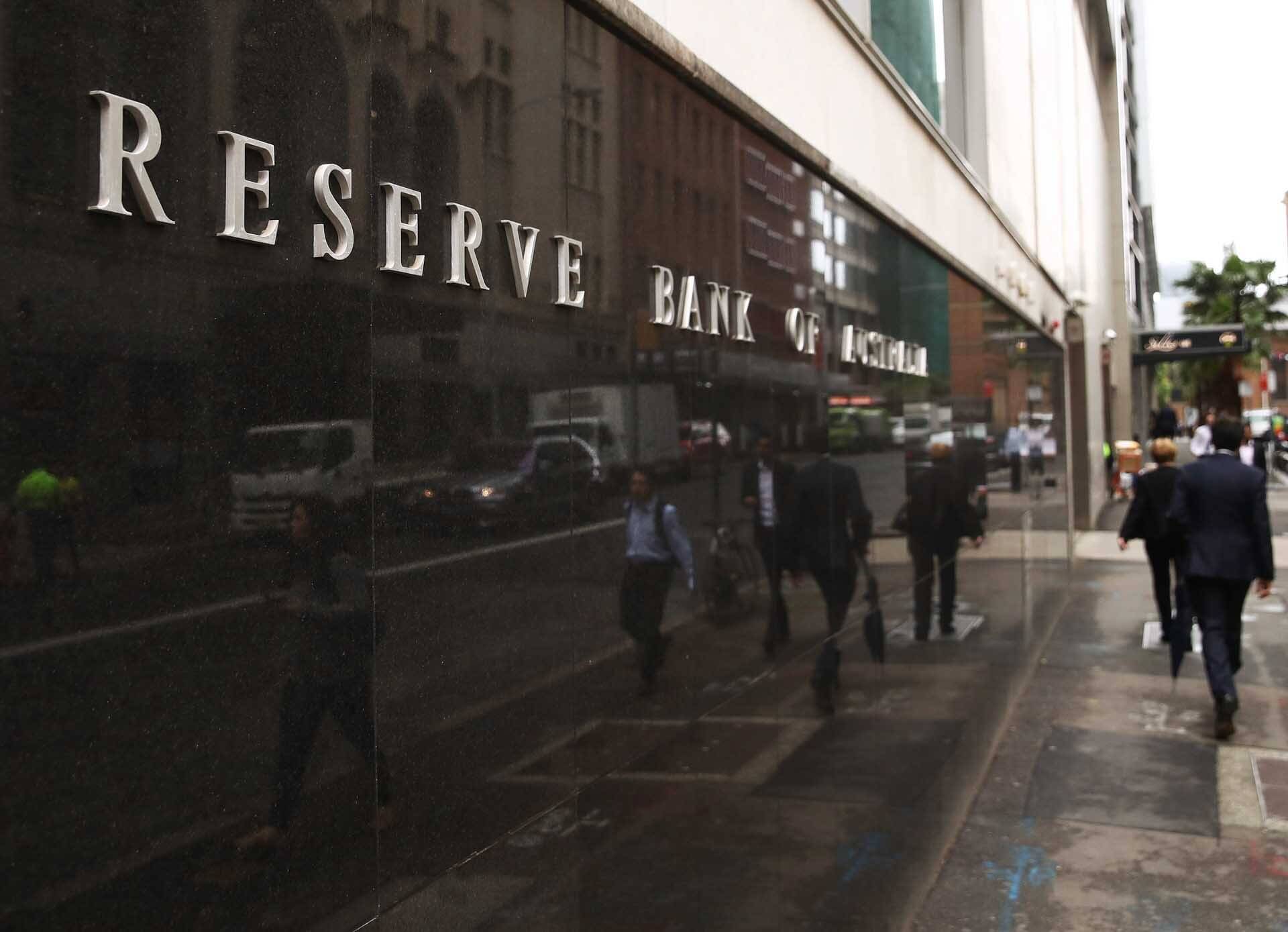
The AUDNZD cross has climbed to its highest levels since 2013, buoyed by a rally in precious and industrial metals—of which Australia is a preeminent producer—and a distinctly hawkish pivot by the Reserve Bank of Australia (RBA). This divergence is set to be tested this Wednesday during the Asian session when the Reserve Bank of New Zealand (RBNZ) delivers its latest policy verdict. The consensus expects the RBNZ to hold its cash rate at a relatively modest 2.25%. While New Zealand’s inflation has rebounded to north of 3%, systemic economic fragilities have largely tied the central bank’s hands, preventing the aggressive tightening seen across the Tasman Sea. Though markets are pricing in a potential hike by autumn 2026, the immediate focus is on the RBNZ’s forward guidance. Should the bank highlight mounting inflationary risks and signal a late-cycle tightening, the pair may see a tactical retreat. Conversely, a sustained dovish stance, coupled with a renewed bid in metals, could see AUDNZD target the 1.20 handle.
US500
US cash markets will be shuttered on Monday, with Wall Street futures operating on a truncated schedule. Despite a constructive start to the previous week, a few next sessions ended in the red. This retrenchment reflects a multifaceted anxiety: escalating geopolitical tensions regarding US-Iran policy, and a cooling of the "AI fever" that has begun to weigh on software developers and news syndicates. The primary headwind remains the ambiguity of the Fed’s path. While a robust labor market complicates the argument for imminent easing, CPI data has decelerated more sharply than anticipated. Two critical events will dictate the narrative: Wednesday’s release of the FOMC minutes, which will provide a granular look at the committee’s internal debates, and Friday’s PCE report—the Federal Reserve’s "north star" for measuring price stability.
Aluminum
Volatility across the metals complex peaked at the turn of February, but the narrative has shifted toward a pronounced exodus of speculative capital from futures markets. Aluminum has not been spared; prices have retreated toward the $3,000 per tonne mark, effectively erasing the entirety of its 2026 gains. The metal faces a dual threat. Seasonally, the Lunar New Year has induced a widespread suspension of industrial activity across China, the world’s largest consumer. Structurally, the market is digesting reports that the US administration may be considering a softening of steel and aluminum tariffs. Until there is clarity on the trade front or a post-holiday demand impulse from Beijing, the upside for aluminum appears structurally capped.


Daily summary: Wall Street climbs higher as oil falls 📈 SpaceX surges 28%


Oil slides 2.5% to $88 as Middle East tensions ease 📉 Is the uptrend over?


Wall Street Rebounds as Oil Prices Fall 📈 Adobe Shares Drop 8% After Earnings

BREAKING: USDIDX decline despite strong University of Michigan data
The material on this page does not constitute as financial advice and does not take into account your level of understanding, investment objectives, financial situation or any other particular needs.
All the information provided, including opinions, market research, mathematical results and technical analyses published on the website or transmitted to you by other means is provided for information purposes only and should in no event be interpreted as an offer of, or solicitation for, a transaction in any financial instrument, nor should the information provided be construed as advice of legal or fiscal nature.
Any investment decisions you make shall be based exclusively on your level of understanding, investment objectives, financial situation or any other particular needs. Any decision to act on information published on the website or transmitted to you by other means is entirely at your own risk. You are solely responsible for such decisions.
If you are in doubt or are not sure that you understand a particular product, instrument, service, or transaction, you should seek professional or legal advice before trading.
Investing in OTC Derivatives carries a high degree of risk, as they are leveraged based products and often small movements in the market could lead to much larger movements in the value of your investment and this could work against you or for you. Please ensure that you fully understand the risks involved, taking into account your investments objectives and level of experience, before trading, and if necessary, seek independent advice.
