

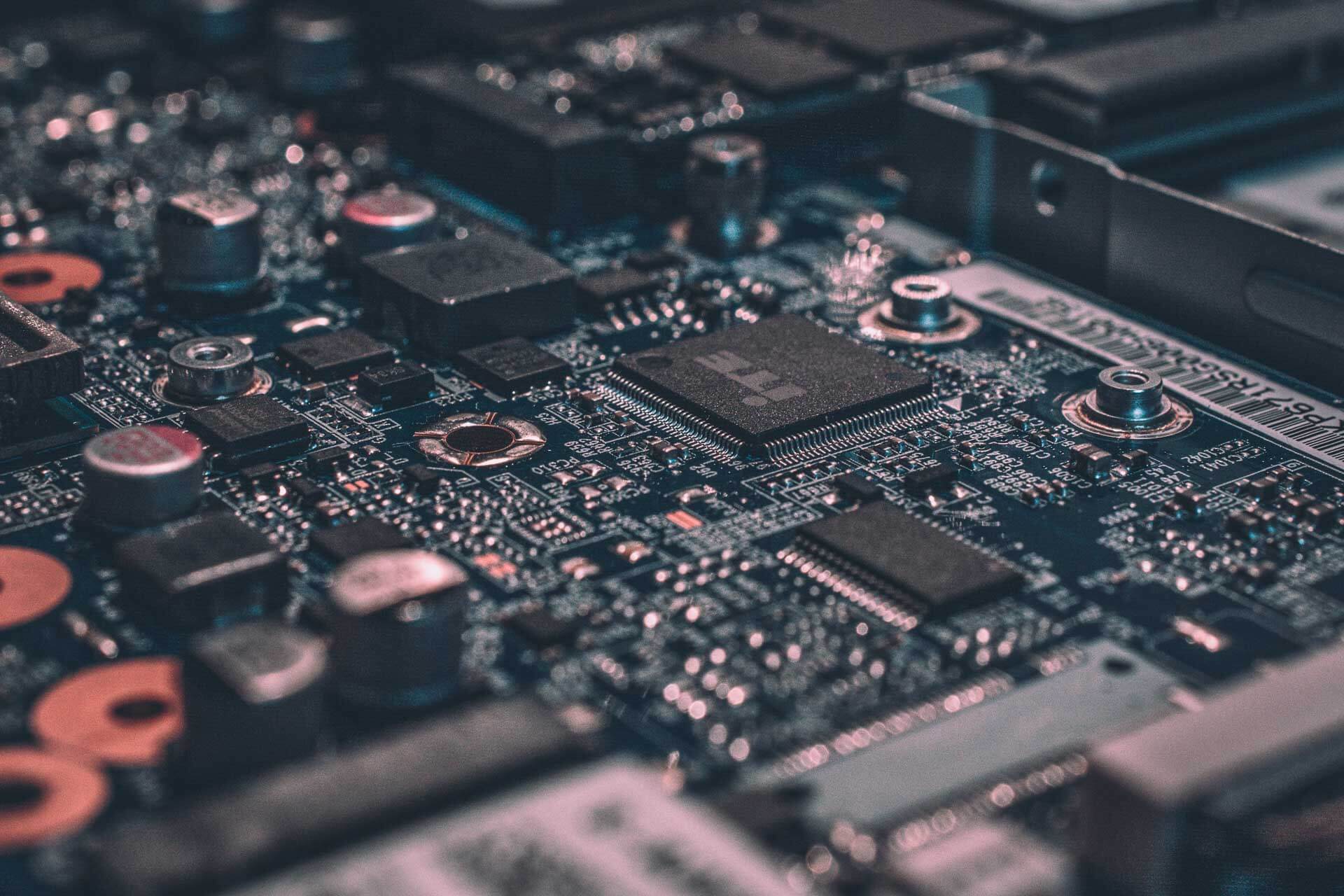
Events with the potential to reshape the long-term fundamentals of the technology sector rarely occur on the global stage. China’s progress in developing its own EUV lithography technology belongs to this category. Although the project is still in the testing and prototype phase, its significance extends far beyond current market cycles and short-term corporate earnings.
EUV machines, costing around 250 million USD each, are critical for producing chips below 7 nm, used by Nvidia, AMD, TSMC, Intel, and Samsung. The Western monopoly on this technology defines the so-called "technological cold war." China's success in developing its own EUV capabilities could fundamentally reshape global supply chains, reducing dependence on the West and strengthening potential in AI, military applications, and the broader economy.
For several years, China has been pursuing a coordinated, state-led program aimed at achieving full independence from Western semiconductor technologies. The program encompasses the construction of next-generation lithography machines, the development of domestic capabilities in precision optics, design software, critical materials, and manufacturing processes. The scale of financial and institutional commitment indicates that this is not an experimental endeavor, but a key component of a long-term economic and geopolitical strategy.
From a technological perspective, China remains a few years behind global leaders, but it could reach a level sufficient to blunt the impact of sanctions, reduce reliance on Western suppliers, and gradually build a competitive offering for third-party markets. This scenario carries significant implications for Western tech giants, which currently derive a substantial portion of their revenue from the Chinese market.
China’s drive for self-sufficiency in high-end chip production, supported by a state-backed mega-fund, is destabilizing global supply chains. Beijing controls 90% of the gallium, germanium, and palladium markets, restricting exports and creating worldwide shortages, which in turn could raise silicon wafer prices by 20–30%. The West is responding with investments in production diversification, including the CHIPS Act and new projects in India and Europe. These measures increase production costs, delay factory start-ups, and push up consumer electronics prices, including smartphones, laptops, and AI servers, while simultaneously raising the risk of global supply chain fragmentation.
These supply chain shifts have significant implications for the valuations of sensitive technology companies. Among the most exposed Western firms are ASML, TSMC, Nvidia, Intel, AMD, Apple, Samsung, and Microsoft, all of which face pressure from restricted access to the Chinese market, higher production costs, and component shortages. Conversely, Chinese companies such as SMIC, Huawei, and other domestic semiconductor fabs could benefit from growing self-sufficiency, state support, and the gradual reduction of dependence on Western technologies, enhancing their market position and growth potential.
The geopolitical consequences are equally profound. Technological competition increasingly resembles a long-term systemic conflict, in which access to advanced chips determines economic, military, and strategic advantage. In this environment, the tech sector ceases to be solely a space for market-driven innovation and becomes a tool of state policy.
For investors, this necessitates a shift in perspective. Short-term performance and current demand trends remain important, but resilience to geopolitical tensions and structural changes is becoming increasingly critical. Projects on the scale of China’s program do not need to achieve full success to influence valuations and corporate strategies. Over the long term, it is enough that they alter the rules of the game. This slow-moving process may ultimately prove the most costly for investors once fully recognized by the market.



US Closed: Postponed negotiations weigh on futures


Will Massive AI Investments Bring Dark Clouds Over Wall Street?



Market wrap: Limited volatility and a strong dollar



Daily Summary: Dollar at 1-year high, stocks rebound on renewed risk appetite 🚀 (18.06.2026)
The material on this page does not constitute as financial advice and does not take into account your level of understanding, investment objectives, financial situation or any other particular needs.
All the information provided, including opinions, market research, mathematical results and technical analyses published on the website or transmitted to you by other means is provided for information purposes only and should in no event be interpreted as an offer of, or solicitation for, a transaction in any financial instrument, nor should the information provided be construed as advice of legal or fiscal nature.
Any investment decisions you make shall be based exclusively on your level of understanding, investment objectives, financial situation or any other particular needs. Any decision to act on information published on the website or transmitted to you by other means is entirely at your own risk. You are solely responsible for such decisions.
If you are in doubt or are not sure that you understand a particular product, instrument, service, or transaction, you should seek professional or legal advice before trading.
Investing in OTC Derivatives carries a high degree of risk, as they are leveraged based products and often small movements in the market could lead to much larger movements in the value of your investment and this could work against you or for you. Please ensure that you fully understand the risks involved, taking into account your investments objectives and level of experience, before trading, and if necessary, seek independent advice.
