


According to the latest media reports, Iran has announced that ships wishing to pass through the Strait of Hormuz will need to obtain its permission. In practice, this means an attempt to take control of one of the most important shipping routes in the world. At the same time, statements from the Iranian armed forces warn that any vessel attempting to cross the strait without authorization may be attacked, which has led many ship operators to avoid taking such a high risk.
As a result, this strategic maritime route is now largely paralyzed. Ship traffic has dropped sharply, and many vessels remain on both sides of the strait, waiting to see how events unfold. The situation is further complicated by the fact that before the current conflict, roughly one fifth of global oil and gas shipments passed through the Strait of Hormuz, making it one of the key points in the global economy.
This has enormous implications for energy markets. Any disruption to navigation in this area immediately affects global commodity prices and shipping costs. Even a partial blockade of such a vital trade route can trigger a domino effect across the world economy, as a large portion of oil exports from the Persian Gulf countries must pass through this narrow passage.
Additionally, reports suggest that Iran may deploy naval mines in the strait to further hinder shipping and increase pressure on the countries involved in the conflict. The very possibility of such tactics underscores how serious the situation is and how little it would take to provoke an even greater escalation of tensions in the region.
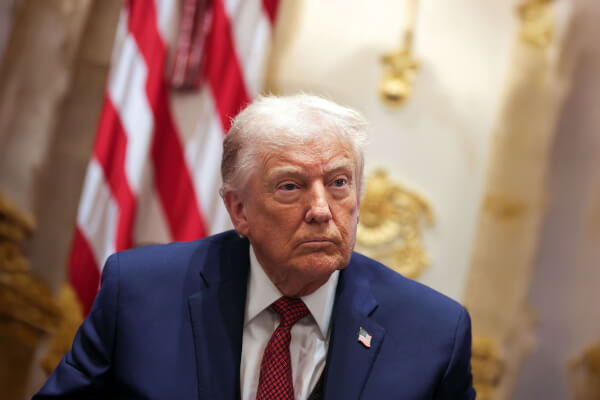
At the same time, countries involved in the conflict have different perspectives on its future course. The U.S. administration signals that it is not interested in unlimited military escalation. In statements, President Donald Trump suggested that the possibilities for further bombing of additional targets in Iran are increasingly limited and that it is preferable to seek ways to end the current phase of the conflict.
Israel, on the other hand, takes a different approach, declaring that operations against Iran may continue even without the direct involvement of the United States. According to Israeli authorities, airstrikes on targets connected to Iran’s military infrastructure could continue as long as deemed necessary for the country’s security.
As a result, the conflict in the Middle East does not appear to be moving toward a quick resolution. On the contrary, ongoing military actions, tensions at sea, and differences in the approach of various countries suggest that the situation could remain unstable for a long time. A single decision regarding such a strategic location as the Strait of Hormuz could have consequences not only regionally but also globally, affecting maritime security and the stability of the entire world economy.


🔴US100 Caps Gains Following Trump's Comments


BREAKING: U.S. retail sales above expectations! EUR/USD is gaining!



Market Wrap: European stocks join the bullish rally 🚀 Euro Stoxx +3%

BREAKING: Eurozone PMI stronger than expected 📈 EURUSD gains
The material on this page does not constitute as financial advice and does not take into account your level of understanding, investment objectives, financial situation or any other particular needs.
All the information provided, including opinions, market research, mathematical results and technical analyses published on the website or transmitted to you by other means is provided for information purposes only and should in no event be interpreted as an offer of, or solicitation for, a transaction in any financial instrument, nor should the information provided be construed as advice of legal or fiscal nature.
Any investment decisions you make shall be based exclusively on your level of understanding, investment objectives, financial situation or any other particular needs. Any decision to act on information published on the website or transmitted to you by other means is entirely at your own risk. You are solely responsible for such decisions.
If you are in doubt or are not sure that you understand a particular product, instrument, service, or transaction, you should seek professional or legal advice before trading.
Investing in OTC Derivatives carries a high degree of risk, as they are leveraged based products and often small movements in the market could lead to much larger movements in the value of your investment and this could work against you or for you. Please ensure that you fully understand the risks involved, taking into account your investments objectives and level of experience, before trading, and if necessary, seek independent advice.
