


- Supreme Court ruling limiting the administration’s ability to unilaterally impose tariffs
- Trump’s immediate announcement of a new 15% global tariff
- Uncertainty surrounding tariff refunds and potential legal disputes
- Perceived support for growth outside the US
- Ongoing fiscal and political uncertainty in the United States
- Low liquidity in Asia amplifying currency moves
- Supreme Court ruling limiting the administration’s ability to unilaterally impose tariffs
- Trump’s immediate announcement of a new 15% global tariff
- Uncertainty surrounding tariff refunds and potential legal disputes
- Perceived support for growth outside the US
- Ongoing fiscal and political uncertainty in the United States
- Low liquidity in Asia amplifying currency moves
The US dollar started the week under pressure after the US Supreme Court invalidated a significant portion of the tariff system introduced by former President Donald Trump based on emergency powers. Initially, the ruling was perceived as positive for global growth — as it limits unilateral US trade actions — however, Trump quickly responded by announcing a new, uniform 15% global tariff rate based on a different legal foundation. The message for markets was clear: legal tools may change, but the policy direction remains the same.
Technically, the dollar index (DXY) is attempting to stabilize after testing the 96-point area, but it remains in a broader consolidation.
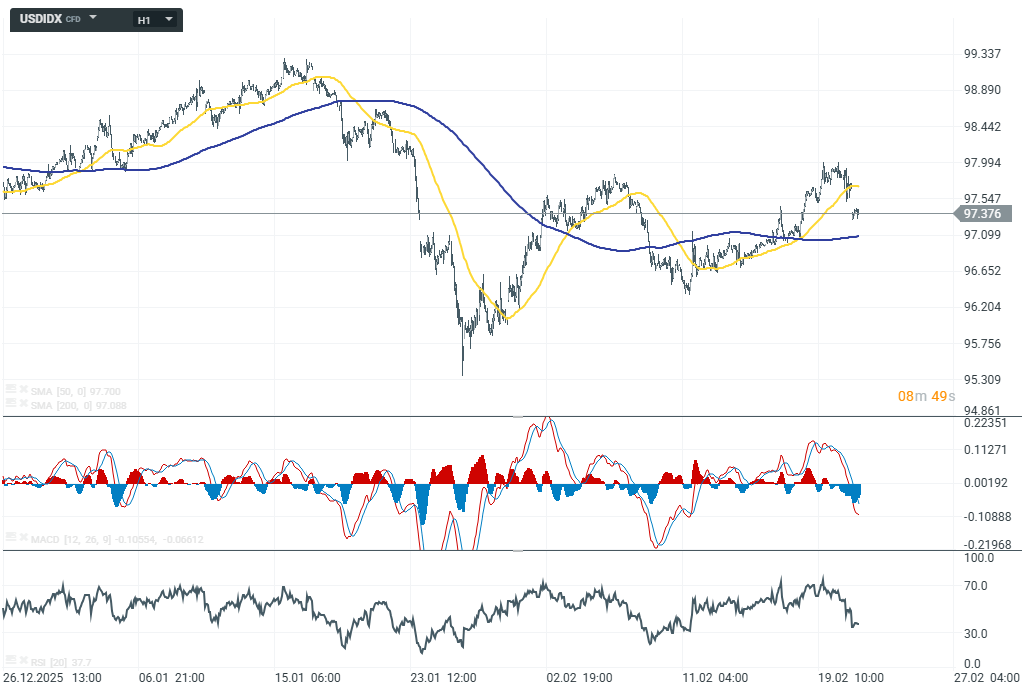
The combination of legal uncertainty and the continuation of restrictive trade policy triggered a broad sell-off in the dollar. Investors began reassessing the US bargaining position in trade, fiscal implications, and the risk of prolonged legal disputes regarding potential tariff refunds. With markets in Japan and China closed, limited liquidity further amplified FX moves — EURUSD is gaining nearly 0.30% to 1.1830, while USDJPY is down 0.25% to 154.5580. The market reaction reflects not only trade headlines, but also renewed discomfort over the unpredictability of US policy.
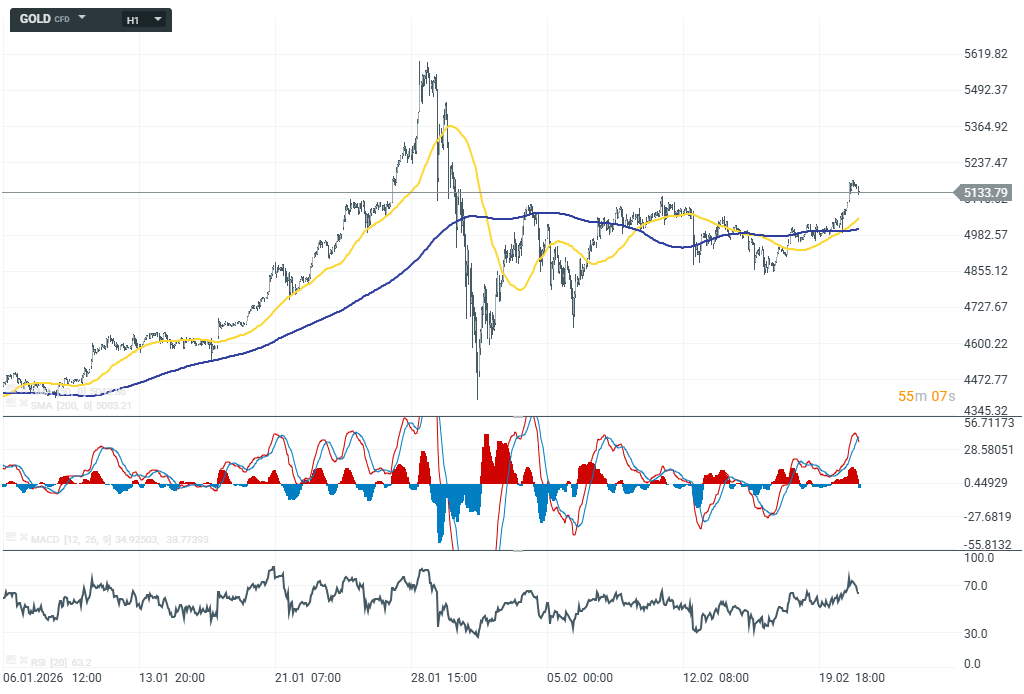
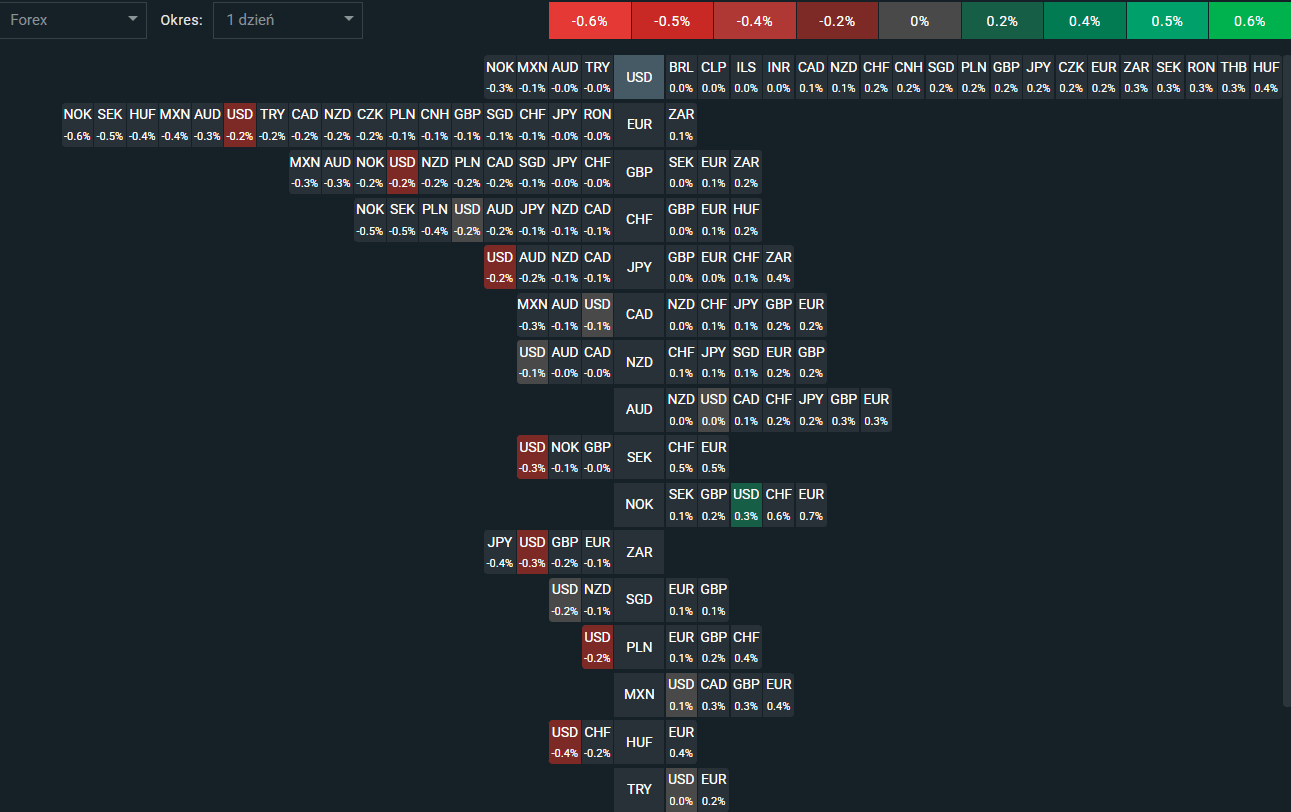 At the same time, safe-haven assets gained, while riskier market segments came under pressure. Gold rose to its highest level in three weeks, oil declined due to demand concerns despite the resumption of US–Iran talks, and the cryptocurrency market experienced strong position liquidations.


Daily summary: Wall Street climbs higher as oil falls 📈 SpaceX surges 28%


Wall Street Rebounds as Oil Prices Fall 📈 Adobe Shares Drop 8% After Earnings



French luxury companies and banks gain as the inflation rises



UK GDP Contracted and the Pound is Up? 🇬🇧 💷
The material on this page does not constitute as financial advice and does not take into account your level of understanding, investment objectives, financial situation or any other particular needs.
All the information provided, including opinions, market research, mathematical results and technical analyses published on the website or transmitted to you by other means is provided for information purposes only and should in no event be interpreted as an offer of, or solicitation for, a transaction in any financial instrument, nor should the information provided be construed as advice of legal or fiscal nature.
Any investment decisions you make shall be based exclusively on your level of understanding, investment objectives, financial situation or any other particular needs. Any decision to act on information published on the website or transmitted to you by other means is entirely at your own risk. You are solely responsible for such decisions.
If you are in doubt or are not sure that you understand a particular product, instrument, service, or transaction, you should seek professional or legal advice before trading.
Investing in OTC Derivatives carries a high degree of risk, as they are leveraged based products and often small movements in the market could lead to much larger movements in the value of your investment and this could work against you or for you. Please ensure that you fully understand the risks involved, taking into account your investments objectives and level of experience, before trading, and if necessary, seek independent advice.
