




S&P 500 Trust S&P 500 Trust

S&P 500 Trust • SPDR, DIST, USD

Trade SPY.US CFD

Past performance or future forecasts does not constitute a reliable indicator of future performance.

Fees

Less costs, more investments

Competitive fees

Trade with leverage and keep costs low

Deposits and Withdrawals fees

Wide range of Funding Methods

Free account opening

Complete the process in 15 minutes without unnecessary formalities.

Learn

What is CFD trading?

New to CFDs? Learn how CFD trading works and how you can trade on both rising and falling prices without owning the underlying asset. We explain the basics, financial leverage, potential benefits and risks in simple terms.

Read the Beginner’s Guide

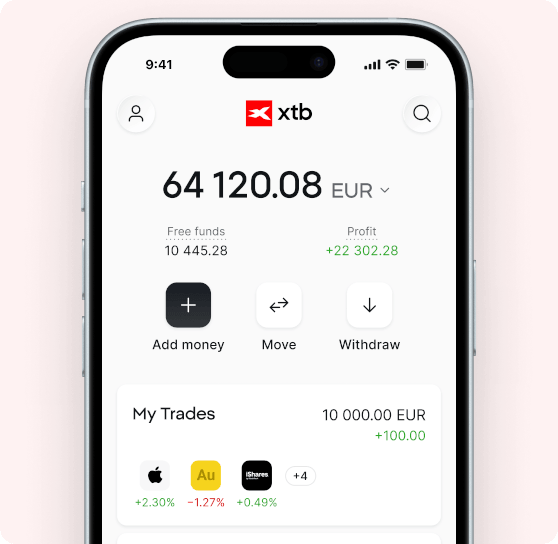
Create an account

Open your XTB account in just a few simple steps. Get access to global markets and a wide range of investment opportunities.

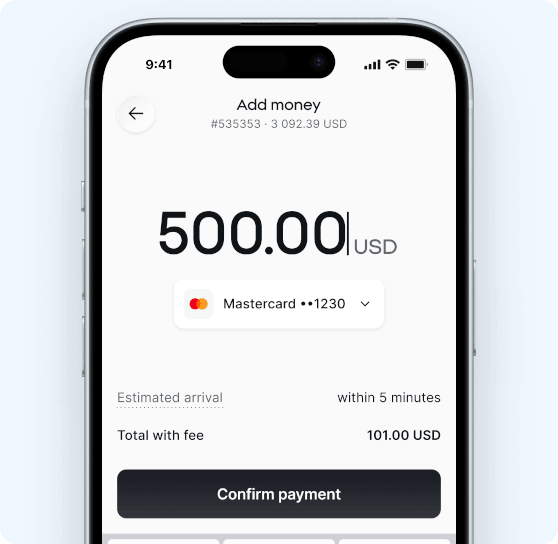
Make a deposit

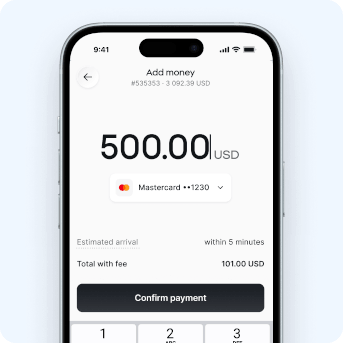
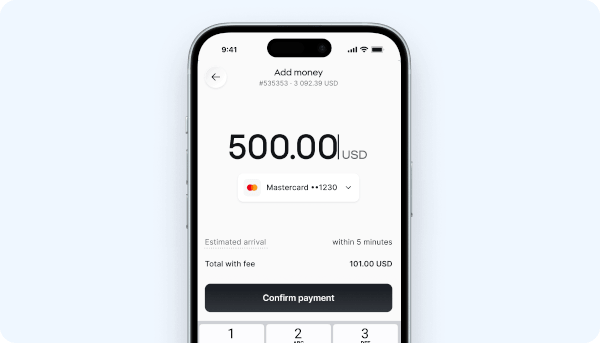
Add funds to your account using one of the available payment methods. Once your funds are available, you’re ready to start investing.

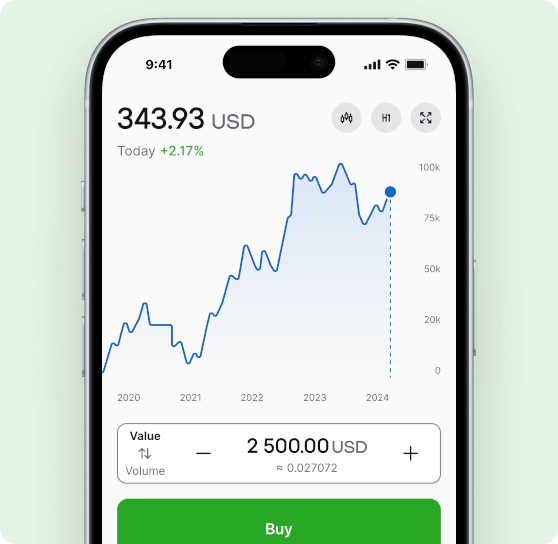
Trade SPY.US

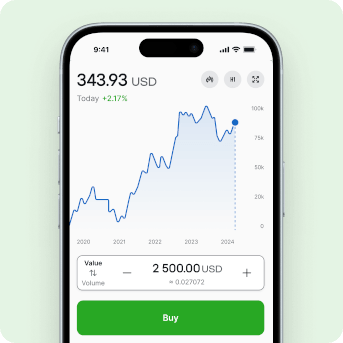
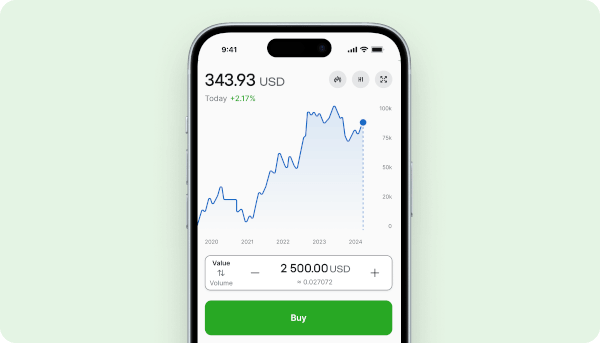
Find SPY.US in XTB App, choose how much you want to invest and place your order. Start building your portfolio on your terms.

And make your money work in many ways

Explore more ways to put your money to work - from global stocks and ETFs to crypto and more.

Popular in the markets

Most traded CFDs

Discover where CFD traders are most active. Explore some of the most traded CFDs across global markets and see which instruments are in focus.

News

Keep your finger on the pulse with our latest market news

We are regulated by leading financial regulatory authorities across multiple markets worldwide.

About instrument

Invest in SPY.US CFD

Instrument, which price is based on the market value of SDPR S&P 500 Trust ETF CFD (reference market: organised market)

ISIN

-

Trading days

-

Market hours

15:30 - 22:00

Commission

0 USD

Markup included in the price

0,30%

Leverage

5

Margin

20%

Value of 1 lot

1

Minimum order value

50 USD

Minimal spread

-

FAQ

Do you have more questions?

Find answers to our most commonly asked questions. Still have a question? Please contact our customer support team.

An ETF (Exchange-Traded Fund) CFD is a financial derivative that allows investors to speculate on the price movement of a given ETF without actually owning the it. An ETF CFD works by tracking the price of the underlying ETF and enabling investors to trade on the difference between the open and close price. Investor does not own the ETF, but instead, they enter into a contract with the broker to pay or receive the difference in price based on the direction of their trade.

Trading Exchange-Traded Funds (ETFs) using CFDs offers traders flexibility and access to a wide range of global markets and asset classes. With ETF CFD trading, traders can speculate on market movements in either direction by going long (buy) to profit from upward price movements or short (sell) to profit from downward movements. Additionally, CFDs offer the ability to trade using financial leverage, which means traders can access larger positions than they would be able to with just their own capital, amplifying potential profits, but also magnifying potential losses. However, ETF CFD trading also carries significant risks that traders need to be aware of. The ETF CFD market can be subject to significant price fluctuations, which can result in rapid and substantial losses if not managed properly. What's more, the ability to trade on margin can be a double-edged sword, as it can amplify potential profits, but also incease potential losses.

Leverage is a feature in CFD ETF trading that allows investors to conclude transactions for amounts much higher than the capital actually invested. It multiplies the purchasing power of the capital deposited in the Margin, allowing traders to enter into transactions exceeding the value of the deposit. It can potentially increase the returns on an investment, but it can also increase the risk of loss if the investment does not perform as expected.

Yes, you can short sell ETFs using CFDs. Contracts For Difference allow you to speculate both on rising and falling prices by going long (buying) on ETFs that you expect to increase in value, or short selling (selling) ETFs that you expect to decrease in value.