


Following a flurry of critical US economic data that offered a fragmented picture for the Federal Reserve, global markets are entering a period of relative macroeconomic calm. The United States observes a long weekend for Washington’s Birthday, while China embarks on the week-long Lunar New Year festivities, necessitating partial market closures. In Brazil, the final stages of Carnival further thin liquidity. Yet, beneath this veneer of holiday quiet, significant volatility catalysts remain: the release of the FOMC minutes, the PCE inflation print, and a high-stakes rate decision in New Zealand. Investors should direct their focus toward AUDNZD, the US500, and Aluminum.
AUDNZD
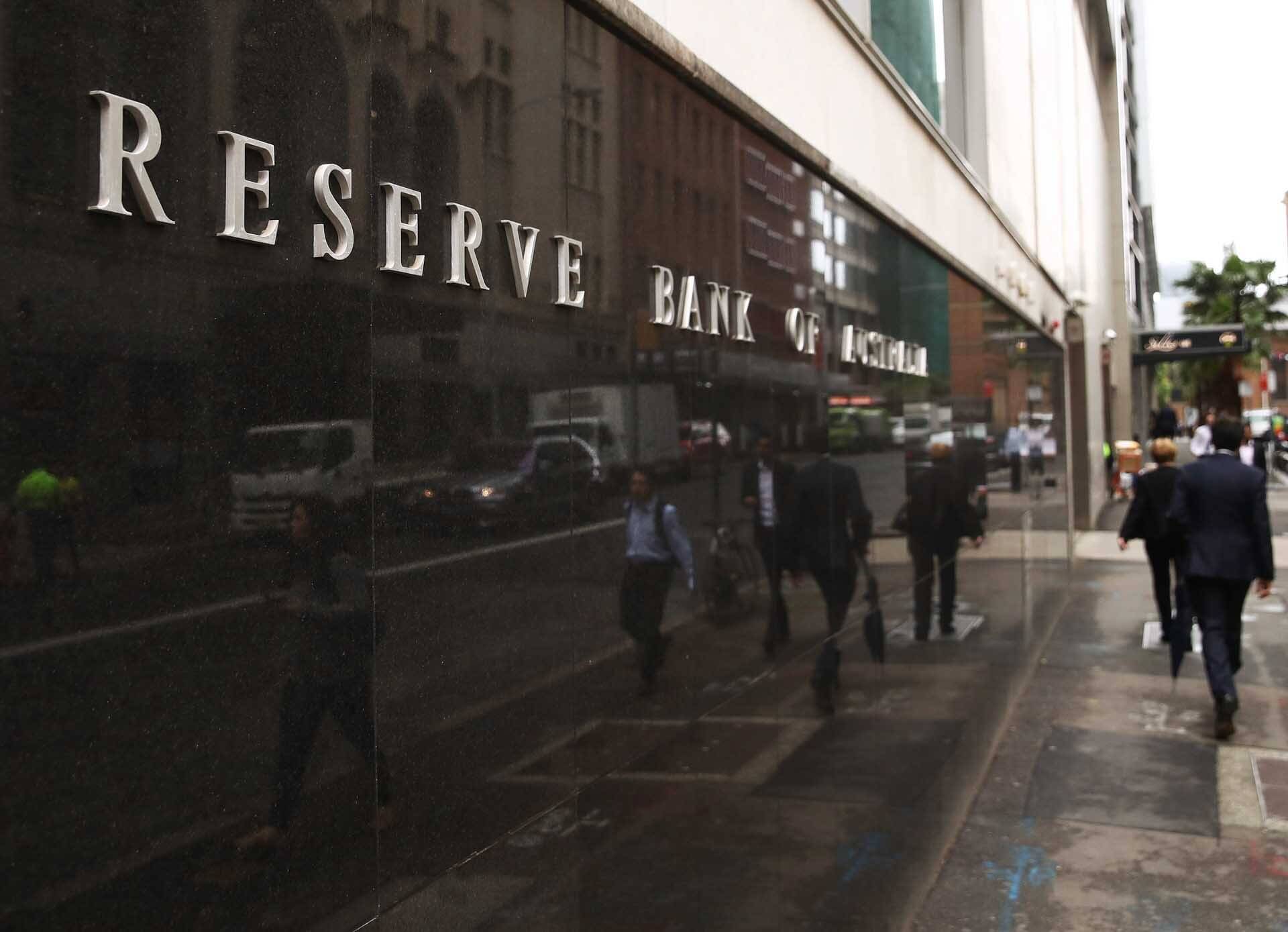
The AUDNZD cross has climbed to its highest levels since 2013, buoyed by a rally in precious and industrial metals—of which Australia is a preeminent producer—and a distinctly hawkish pivot by the Reserve Bank of Australia (RBA). This divergence is set to be tested this Wednesday during the Asian session when the Reserve Bank of New Zealand (RBNZ) delivers its latest policy verdict. The consensus expects the RBNZ to hold its cash rate at a relatively modest 2.25%. While New Zealand’s inflation has rebounded to north of 3%, systemic economic fragilities have largely tied the central bank’s hands, preventing the aggressive tightening seen across the Tasman Sea. Though markets are pricing in a potential hike by autumn 2026, the immediate focus is on the RBNZ’s forward guidance. Should the bank highlight mounting inflationary risks and signal a late-cycle tightening, the pair may see a tactical retreat. Conversely, a sustained dovish stance, coupled with a renewed bid in metals, could see AUDNZD target the 1.20 handle.
US500
US cash markets will be shuttered on Monday, with Wall Street futures operating on a truncated schedule. Despite a constructive start to the previous week, a few next sessions ended in the red. This retrenchment reflects a multifaceted anxiety: escalating geopolitical tensions regarding US-Iran policy, and a cooling of the "AI fever" that has begun to weigh on software developers and news syndicates. The primary headwind remains the ambiguity of the Fed’s path. While a robust labor market complicates the argument for imminent easing, CPI data has decelerated more sharply than anticipated. Two critical events will dictate the narrative: Wednesday’s release of the FOMC minutes, which will provide a granular look at the committee’s internal debates, and Friday’s PCE report—the Federal Reserve’s "north star" for measuring price stability.
Aluminum
Volatility across the metals complex peaked at the turn of February, but the narrative has shifted toward a pronounced exodus of speculative capital from futures markets. Aluminum has not been spared; prices have retreated toward the $3,000 per tonne mark, effectively erasing the entirety of its 2026 gains. The metal faces a dual threat. Seasonally, the Lunar New Year has induced a widespread suspension of industrial activity across China, the world’s largest consumer. Structurally, the market is digesting reports that the US administration may be considering a softening of steel and aluminum tariffs. Until there is clarity on the trade front or a post-holiday demand impulse from Beijing, the upside for aluminum appears structurally capped.



Three Markets to Watch Next Week (09.10.2026)



Daily Summary: A Shallow Rebound Ahead of Earnings Season


Strong rise in natural gas prices 📈🚨



US OPEN: Trump de-escalates, OpenAI supports Wall Street sentiment
The content of this report has been created by XTB S.A., with its registered office in Warsaw, at Prosta 67, 00-838 Warsaw, Poland, (KRS number 0000217580) and supervised by Polish Supervision Authority ( No. DDM-M-4021-57-1/2005). This material is a marketing communication within the meaning of Art. 24 (3) of Directive 2014/65/EU of the European Parliament and of the Council of 15 May 2014 on markets in financial instruments and amending Directive 2002/92/EC and Directive 2011/61/EU (MiFID II). Marketing communication is not an investment recommendation or information recommending or suggesting an investment strategy within the meaning of Regulation (EU) No 596/2014 of the European Parliament and of the Council of 16 April 2014 on market abuse (market abuse regulation) and repealing Directive 2003/6/EC of the European Parliament and of the Council and Commission Directives 2003/124/EC, 2003/125/EC and 2004/72/EC and Commission Delegated Regulation (EU) 2016/958 of 9 March 2016 supplementing Regulation (EU) No 596/2014 of the European Parliament and of the Council with regard to regulatory technical standards for the technical arrangements for objective presentation of investment recommendations or other information recommending or suggesting an investment strategy and for disclosure of particular interests or indications of conflicts of interest or any other advice, including in the area of investment advisory, within the meaning of the Trading in Financial Instruments Act of 29 July 2005 (i.e. Journal of Laws 2019, item 875, as amended). The marketing communication is prepared with the highest diligence, objectivity, presents the facts known to the author on the date of preparation and is devoid of any evaluation elements. The marketing communication is prepared without considering the client’s needs, his individual financial situation and does not present any investment strategy in any way. The marketing communication does not constitute an offer of sale, offering, subscription, invitation to purchase, advertisement or promotion of any financial instruments. XTB S.A. is not liable for any client’s actions or omissions, in particular for the acquisition or disposal of financial instruments, undertaken on the basis of the information contained in this marketing communication. In the event that the marketing communication contains any information about any results regarding the financial instruments indicated therein, these do not constitute any guarantee or forecast regarding the future results.