

COFFEE

Trade COFFEE CFD

Past performance or future forecasts does not constitute a reliable indicator of future performance.

Fees

Less cost, more investments

Competitive fees

Trade with leverage and keep costs low

Free deposits/withdrawals

Manage your funds. Take advantage of free deposits and withdrawals.

No custody fees

No custody fees up to 250,000 EUR. After that, 0.02% per annum, minimum £10.

Learn

What is CFD trading?

New to CFDs? Learn how CFD trading works and how you can trade on both rising and falling prices without owning the underlying asset. We explain the basics, financial leverage, potential benefits and risks in simple terms.

Read the Beginner’s Guide

Create an account

Open your XTB account in just a few simple steps. Get access to global markets and a wide range of investment opportunities.

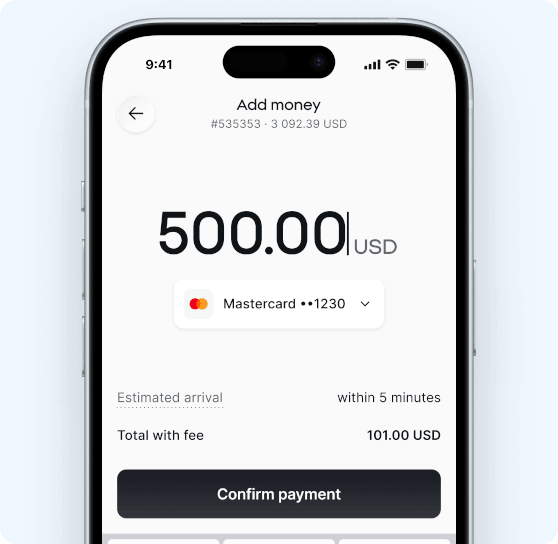
Make a deposit

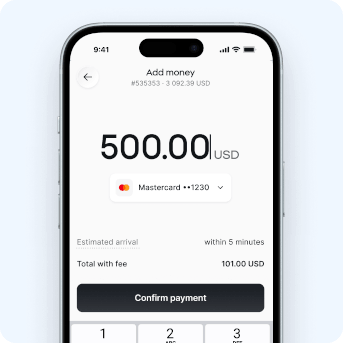
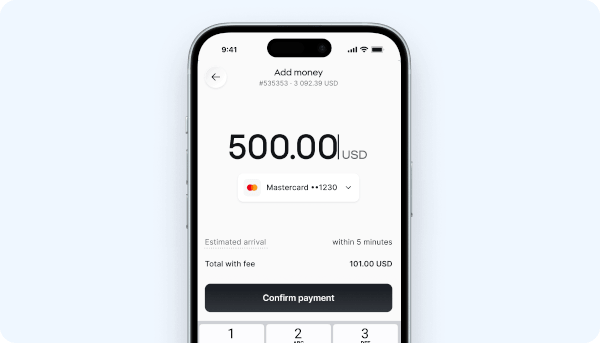
Add funds to your account using one of the available payment methods. Once your funds are available, you’re ready to start investing.

Trade COFFEE

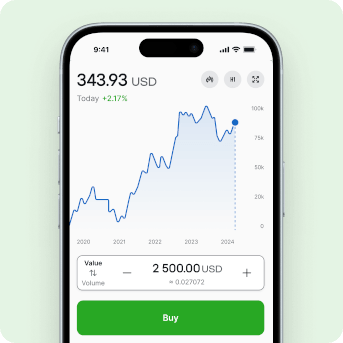
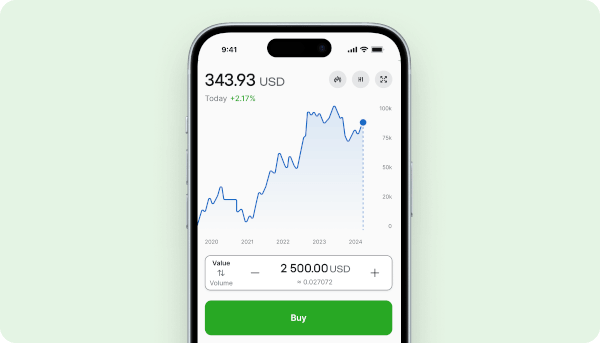
Find COFFEE in XTB App, choose how much you want to invest and place your order. Start building your portfolio on your terms.

And make your money work in many ways

Explore more ways to put your money to work - from global stocks and ETFs to more. Discover Investment Plans and earn interest on uninvested funds while you wait for your next investment opportunity.

Popular in the markets

Most traded CFDs

Discover where CFD traders are most active. Explore some of the most traded CFDs across global markets and see which instruments are in focus.

News

Keep your finger on the pulse with our latest market news

We are regulated by leading financial regulatory authorities across multiple markets worldwide.

About instrument

Invest in COFFEE CFD

Investing in coffee can be a profitable venture for those looking to diversify their portfolio. The coffee industry has a significant impact on the global economy, with coffee-related economic activity accounting for approx. 1.6% of the gross domestic product.

There are several ways to invest in coffee, including investing in coffee CFDs (contracts for difference). Unlike a purchase of physical asset, is an interesting option for investors because CFDs offer an opportunity for investors without a need to store coffee and to specialise in eg. roasting, packaging, and distributing coffee.

For those interested in trading coffee, it's essential to understand the coffee market's supply and demand dynamics. Coffee prices can be volatile due to fluctuations in supply caused by weather conditions, disease, and other factors. Coffee prices can be affected by factors such as global trade tensions, geopolitical events, and the value of the US dollar.

While coffee investments can be profitable, it's important to diversify your portfolio and not rely solely on one industry. Investors should also consider the risks associated with investing in commodities such as coffee, including price volatility and supply chain disruptions.

Minimal spread

0.25

Margin

10%

Leverage

10

Commission

-

Market hours

10:15 am - 7:30 pm

Interesting Facts

What to know before investing in COFFEE

Origins and Legends: One tale traces its discovery to an Ethiopian goatherd named Kaldi, who noticed his goats becoming lively after eating coffee berries. This serendipitous observation led to the birth of coffee's popularity, spreading from the Ethiopian highlands to the rest of the world. 

Global Coffee Consumption: Coffee is not just a beverage; it's a global cultural icon. With over 2.25 billion cups consumed daily, it's the world's most popular drink after water. The coffee industry employs millions of people and contributes significantly to the economies of coffee-producing nations.

Coffee as a Commodity: Coffee is a major commodity in international trade, second only to oil. The "Coffee C" futures contract is traded on the Intercontinental Exchange (ICE), allowing investors to speculate on coffee prices without dealing with physical delivery.

Scientific Composition: Coffee is a complex concoction containing over 1,000 chemical compounds. It owes its stimulating effects mainly to caffeine, a natural stimulant that affects the central nervous system, boosting alertness and focus.

Coffee and Chemistry: Roasting coffee beans is a precise art. The Maillard reaction, which occurs during roasting, is responsible for the delightful aroma and flavour of coffee. It's a chemical reaction between amino acids and sugars, producing aromatic compounds that define coffee's taste.

Coffee Plant Varieties: There are two primary coffee plant varieties: Arabica and Robusta. Arabica, with its mild flavour and complex aromas, accounts for about 60-70% of global coffee production, while Robusta, known for its higher caffeine content and robust flavour, makes up the rest.

Coffee and Physics: The process of extracting coffee's goodness is governed by the principles of physics. Espresso machines use high pressure to force hot water through finely ground coffee, creating the rich and concentrated coffee shots loved by many.

Health Benefits: Moderate coffee consumption has been associated with various health benefits. Coffee contains antioxidants that can combat oxidative stress, reducing the risk of certain diseases, such as type 2 diabetes and Parkinson's disease.

Decaffeination Methods: Decaffeinated coffee, popular among those sensitive to caffeine, is produced using different methods, such as the Swiss Water Process, carbon dioxide method, and solvent-based processes. Each method removes caffeine while preserving flavour.

Coffee in History: Coffeehouses, known as "penny universities" in 17th-century England, became intellectual hubs where ideas flowed freely over a cup of coffee. These establishments played a significant role in the Enlightenment and the exchange of ideas during that era.

FAQ

Do you have more questions?

Find answers to our most commonly asked questions. Still have a question? Please contact our customer support team.

Coffee investment refers to investing in the commodity of coffee, which involves buying and selling coffee beans in the global market to make a profit. Nevertheless XTB offers another, very attractive form of coffee investments without a need to buy the physical commodity and without all the hassle with storing and quality controls. XTB offers investing in coffee via contracts for difference - CFDs. 


The factors that can affect coffee investment include supply and demand, weather, political instability in coffee-producing countries, and fluctuations in currency exchange rates.


Coffee has historically shown potential for long-term growth and can be a diversification strategy for a well-rounded investment portfolio.


There are several risks associated with coffee investment, such as market volatility, weather and disease risks, political instability, and fluctuations in currency exchange rates.


You have the flexibility to trade Coffee using Contracts for Difference (CFDs) beyond the regular trading hours of coffee exchanges. CFDs, being derivatives, offer the advantage of almost continuous trading. This is possible because CFDs are not directly tied to physical assets, but rather follow the price fluctuations of coffee in the underlying market.

At XTB, you can take advantage of trading coffee CFDs round the clock, from Monday to Friday.


It is not possible to determine the "best" commodity to invest in, as the performance of different commodities can vary significantly depending on a wide range of factors. Some common commodities that are traded on the financial markets include oil, gold, and agricultural products.

Yes, individuals can invest in commodities through e.g. commodity based instruments - such as CFDs and futures contracts or purchasing physical meterials.

It is not possible to determine a "top" commodity, as it depends on a wide range of factors, but top five commodities by global trade volume are: Oil, Natural Gas, Gold, Silver and Copper. However, the popularity of different commodities can vary depending on regional and global economic conditions.