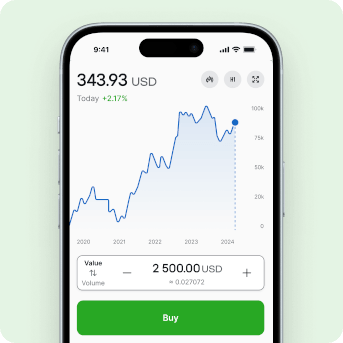
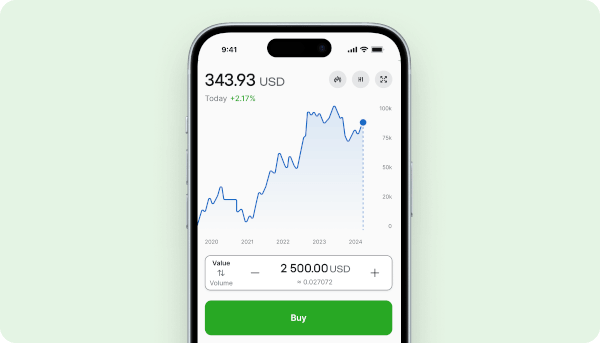
Copper is a derivative CFD instrument based on spot interbank market price transactions data. As a leveraged product, Copper allows traders to gain exposure to the global copper market with a fraction of the capital required to directly invest in the underlying commodity. This instrument is particularly popular among traders seeking to capitalize on short-term price movements in copper futures. Of course, due to financial leverage, trading copper is risky.
Copper is a critical industrial metal used in various applications, including construction, electronics, and transportation. In the effect, both producers and speculators use global commodity exchanges to hedge market exposition and capitalize on the market swings.
Futures contracts on copper are traded on the London Metal Exchange (LME) but also on COMEX division of the New York Mercantile Exchange (NYMEX). These two markets, in line with Chinese copper exchanges, serve as benchmarks for copper prices globally, allowing producers and speculators to hedge against price volatility and speculators to profit from price changes.
Global Copper Market
The global copper market is influenced by the supply and demand dynamics of the largest producing and consuming countries. Usually, copper prices are procyclical; rising amid economy recovery and higher credit impulse in the largest economies and dropping due to recessionary fears and global economy weakening. Major copper producers include:
- Chile: The world's largest copper producer, with significant mining operations in the Atacama Desert.
- Peru: Known for its high-quality copper deposits and extensive mining industry.
- China: A major producer and consumer of copper, with significant domestic production and import needs to meet its industrial demand.
On the demand side, major copper-consuming regions include China, the United States, and Europe, where copper is used in construction, electronics, and transportation. Changes in consumption patterns, economic growth, and technological advancements in alternative materials can influence global copper demand. Additionally, trade policies, tariffs, and international relations play vital roles in shaping the global copper market.
Trading Hours
Copper can be traded almost 24 hours a day during weekdays, reflecting the trading hours of the underlying copper futures contracts. The main trading sessions are as follows:
- Pre-Market Trading: Begins at 5:00 PM CST (previous day) and runs until the official market open at 8:00 AM CST.
- Regular Market Trading: From 8:00 AM CST to 1:30 PM CST.
- After-Market Trading: Starts at 1:30 PM CST and ends at 5:00 PM CST.
Expected Volatility
- Market Open (8:00 AM - 9:00 AM CST): High volatility due to market participants reacting to overnight news, economic data releases, and global economic conditions.
- Midday Trading (9:00 AM - 11:00 AM CST): Lower volatility as the market settles into a steady rhythm.
- Afternoon Trading (11:00 AM - 1:30 PM CST): Volatility can pick up again as traders position themselves ahead of the market close.
- After-Market Trading (1:30 PM - 5:00 PM CST): Lower trading volumes but significant price movements can still occur, especially in response to late-breaking news or economic data.
Copper trading hours
- Economic Data Releases (7:30 AM - 9:00 AM CST): Major economic data releases can cause substantial market movements.
- Geopolitical Events: Events like trade disputes or changes in mining regulations can significantly impact copper prices.
- Overlap of U.S. and European Market Hours (7:00 AM - 11:00 AM CST): Higher trading volumes and increased volatility.