

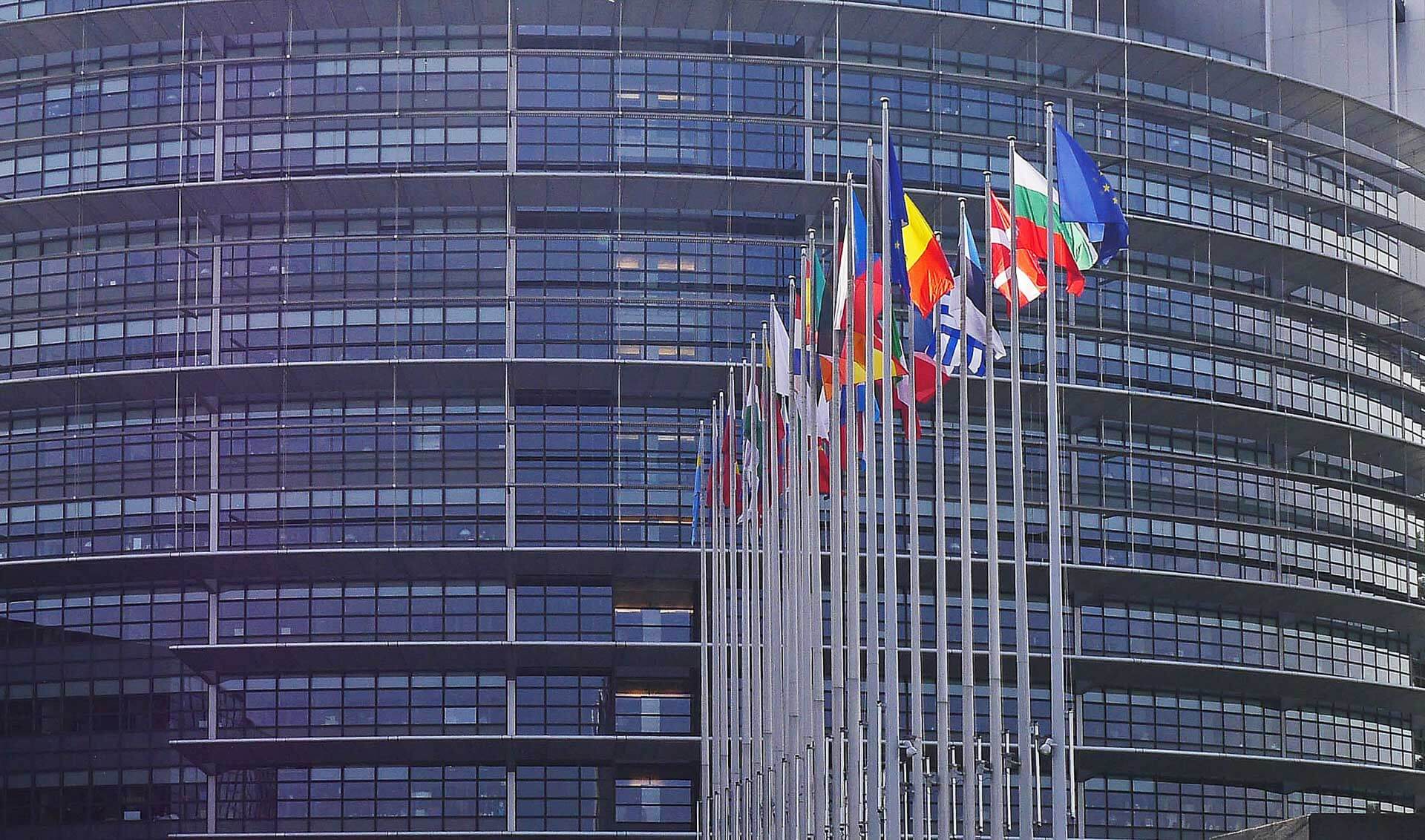

The European Commissioner for Employment, Roxana Mînzatu, warns in her statements that, in the context of the prolonged crisis in the Middle East, the conflict could put as many as 1.3 million jobs in the EU at risk.
The estimates are fairly bleak:
- The automotive sector could face the largest layoffs, reaching 600,000 people, as estimated by the European Commission.
- Construction, the metals industry, chemicals, and transport could lose 56,000 jobs.
- Around 85,000 jobs in battery-related projects and 58,852 jobs in solar panel manufacturing could be at risk.
- Another 4,500 jobs in the steel sector could be eliminated due to low-emission measures.
- Low-income households could spend an additional 1.4% of their income on transport fuel.
- The manufacturing sector in the EU employs around 30 million people, while services provide nearly 87 million jobs.
The biggest problem for business is not a lack of fuel, oil, or even their cost.
A much greater challenge is energy costs, which are already very high in Europe and, due to the lack of gas from the Middle East, will become even higher. Inflationary pressure could further trigger a wage spiral, worsening the situation of low-margin businesses.
To address this potential challenge, the EU is trying to engage with the conflict involving Iran in its own way. The European Union has put forward a proposal for its naval mission Aspides to take a “leading role” in clearing the Strait of Hormuz of mines, “when conditions allow,” as part of a French-British-led initiative.
It is worth remembering that even in the hypothetical case of an immediate and permanent cessation of hostilities, naval mines may remain a threat, and U.S. capabilities to remove them may be insufficient.
But is the situation really as dire as the Commissioner suggests?
The impact on the labor market in 2022–2024, during the energy crisis that followed the escalation of the war in Ukraine, was relatively small.
However, this was a kind of transfer rather than a neutralization of the threat; industrial workers in Europe paid for it with lower real wages while keeping their jobs.
At the same time, the energy crisis that could threaten Europe now is smaller in scale than the one in 2022, and Europe is better prepared for it than it was then.
The problem, however, is that today the EU labor market is much tighter, and firms’ difficulties may translate quickly and significantly into labor market outcomes.
In addition, the inflation of 2022 was not the result of supply chain disruptions alone. The market and the economy were overheated after fiscal stimulus following the COVID-19 pandemic.
Today, the ECB has less room to maneuver, and the effects of changes in monetary policy will be more painful for the economy.
Asia
The inflation and energy problem will not be, and is not, only European; quite the opposite. Asian countries are already relying on rationing hydrocarbon reserves and have introduced export controls.
- Even Japan, with its huge reserves, has already burned through about 20% of them.
- The situation in China appears better, which helps to dampen commodity prices and inflation, but it is difficult to say how long this will last.
USA
While the U.S. is one of the largest producers of oil and gasoline, it is also their largest consumer.
- On top of that, the sensitivity of the U.S. economy to gasoline prices is on average about twice as high as in Europe.
- The U.S. also lacks refining capacity, even with an oil surplus, refineries are a bottleneck, which ultimately means higher costs at gas stations.
- The energy situation is also not ideal; an outdated and underinvested infrastructure must cope not only with heat waves and rising prices, but now also with massive power demand from data centers.
In light of this news, the OECD has lowered global growth prospects from 3.4% to 2.8% - though in the worst-case scenarios, growth falls to around 1.8%.


Daily Summary: Oil at five-month highs, indices under pressure (23.10.2026)


BREAKING: France slows down, Germany holds on. Euro falls below 1.12



Daily Summary: Valuations Under Pressure, Capital Moves Away From Technology

Market Wrap: "Decent" results are not enough – tech stocks fall further; oil highest since May (22.10.2026)
This content has been created by XTB S.A. This service is provided by XTB S.A., with its registered office in Warsaw, at Prosta 67, 00-838 Warsaw, Poland, entered in the register of entrepreneurs of the National Court Register (Krajowy Rejestr Sądowy) conducted by District Court for the Capital City of Warsaw, XII Commercial Division of the National Court Register under KRS number 0000217580, REGON number 015803782 and Tax Identification Number (NIP) 527-24-43-955, with the fully paid up share capital in the amount of PLN 5.869.181,75. XTB S.A. conducts brokerage activities on the basis of the license granted by Polish Securities and Exchange Commission on 8th November 2005 No. DDM-M-4021-57-1/2005 and is supervised by Polish Supervision Authority.