

- Oil managing to stay below $100
- Central bankers to stick with wait and see approach
- Bad day for Hermes as Trump’s war affects demand for handbags
- Luxury derailed by war in Iran
- Chip makers could struggle as market focuses on software

- Oil managing to stay below $100
- Central bankers to stick with wait and see approach
- Bad day for Hermes as Trump’s war affects demand for handbags
- Luxury derailed by war in Iran
- Chip makers could struggle as market focuses on software
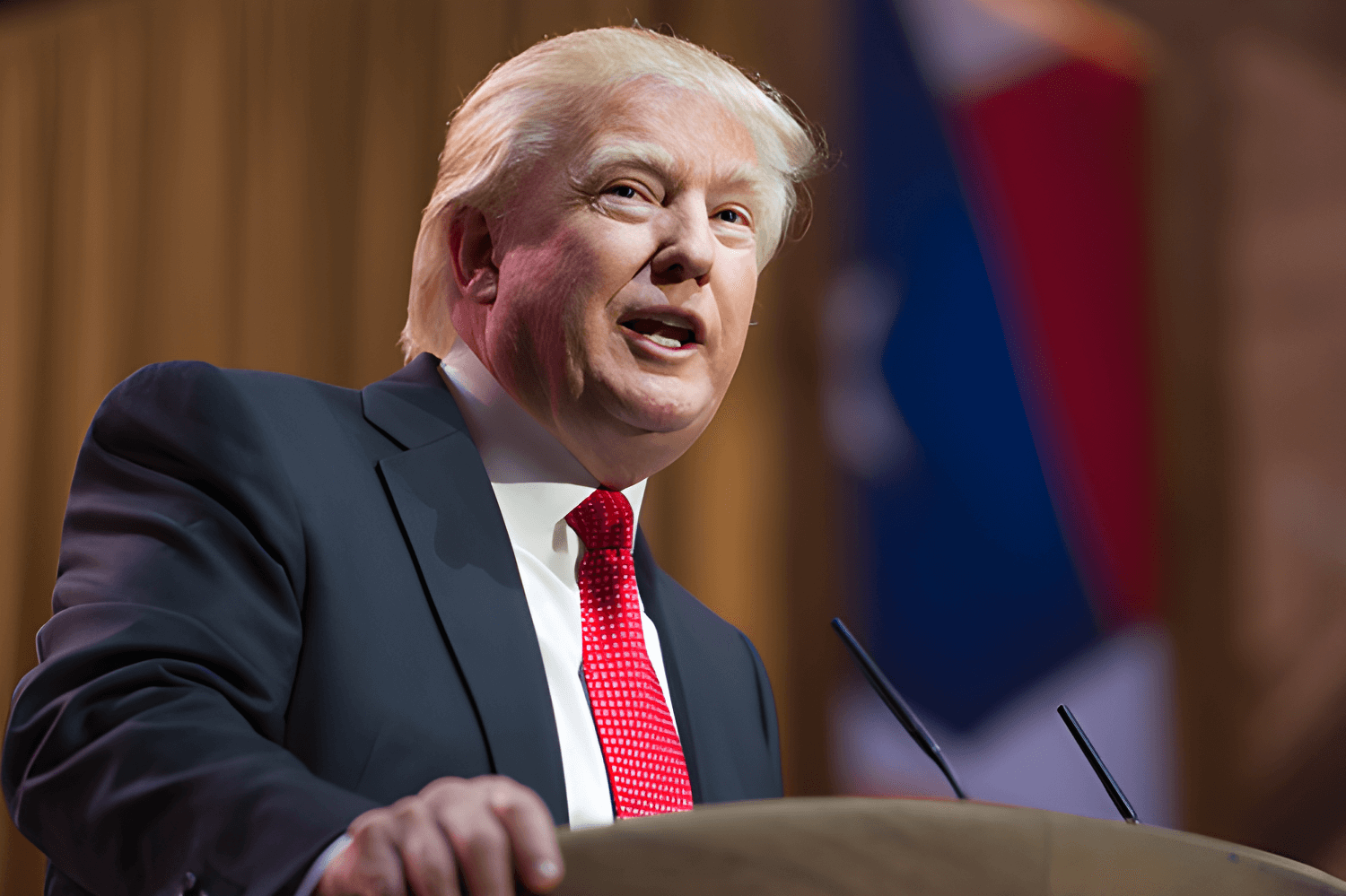
The latest news out of Iran on Wednesday is supportive of risk assets as the US and Iran are close to agreeing an extension of their truce, this buys time to get the Strait of Hormuz back open and should weigh on spot oil prices. This suggests that the peace process is moving along, and if confirmed, it would be supportive of stocks. This news may help US indices extend gains on Wednesday, and reverse losses on futures. European markets are flat to slightly lower as we move through the European session. However, these small moves disguise what is going on with the bigger picture: volatility is lower and markets are returning to some sort of ‘normal’ now that the conflict in the Middle East looks to be in its end stages. The Strait of Hormuz is still shut, and the US blockade of the Strait is in full operation with the US military confirming that 6 vessels turned around when asked to do so on Monday. However, this is not denting hopes that a solution to reopen the Strait can be found shortly, as Donald Trump said that additional talks between the US and Tehran could happen in the next two days and once again claimed that the war is all but over.
Oil managing to stay below $100
The price of oil is higher today, but Brent crude is comfortably below the $100 per barrel mark. The Brent price is currently just above $96 per barrel, and European natural gas futures are also back at early March levels, suggesting that fears about the future supply of critical commodities is finally starting to ease. The physical oil market is still suggesting that supply is tight (because it is), and the oil market remains in an extreme case of backwardation, whereby future prices are higher than spot prices. However, it seems like the worst of the volatility has passed, and investors have exhausted their capacity to respond to the shifting narratives about the war from the Trump administration.
This should mean that bond yields also retreat and higher interest rate expectations also start to recede. Bond yields have fallen sharply from their peak at the end of March, when UK 10-year Gilts rose to 5.10%! The 10-year Gilt yield is now 4.78% and yields are up slightly today. Yields have been slower to normalize compared to stocks, with US indices close to record highs and the S&P 500 rising to within touching distance of 7,000.
Central bankers to stick with wait and see approach
Ahead today we have a plethora of central bank speakers at the IMF Spring conference, including the BOE’s Andrew Bailey. The market is likely to listen very closely to what he has to say about the outlook for inflation and where rates may go to next. It is worth noting that this is a very fluid situation for the UK. Although the IMF expects the UK to be the hardest hit major economy from the war in Iran and growth per capita is expected to be the weakest in the G7 this year, the situation is fluid and the forecasts can change. For example, the recent decline in oil and gas prices means that expectations for the energy price cap, that will be re set in July, are already lower by more than £100. Thus, the economic backdrop ahead of the central bank speeches is brighter than it was a couple of weeks ago.
On Tuesday, Christine Lagarde pushed back against the narrative of imminent rate hikes, and she did not go so far as to warn of an inflation spiral down the road. We expect the dominant theme across central bank speakers this week will be a ‘wait and see’ message on interest rates, they may justify this stance by mentioning the uncertainty about the outlook for inflation and the softer economic backdrop, which may keep inflation expectations anchored.
Bad day for Hermes as Trump’s war affects demand for handbags
US Import and export price data for March is the highlight today, as the market tries to assess the impact of the fallout of the war in Iran. European stock indices are already feeling the impact of the war, especially the French Cac, which is a clear underperformer on Wednesday. LVMH reported revenue of EUR 19.1bn for Q1. The results were complicated by the war in the Middle East and the company said that it knocked 1% off growth, especially in the fashion and leather goods divisions. The news at Hermes was also bad, the war knocked EUR 300mn from revenues, which reached EUR 4.1bn, down 1% as currency adjustments hit growth. Sales in the Middle East fell 6% and tourist flows to Italy, France and Switzerland were also lower because of the war, which could hit future revenues. The market reacted harshly to this news and Hermes’s share price is currently down 10% today and is lower by more than 20% this year.
Luxury derailed by war in Iran
Overall, luxury, an important sector for Europe, was on the road to recovery, but it has been derailed by the war in the Middle East, which is a major market for these brands. Even prospects of a prolonged ceasefire can’t help Hermes’ share price this morning, as the market assesses the structural hit to luxury demand from the conflict. With supply chains in the region at a standstill, the overhang from this conflict on the luxury names could be prolonged and it may take time for their stock prices to fully recover.
Tech is dominating the stock market discussion right now, and tech stocks such as Oracle, Amazon, Tesla, Google and Microsoft have been top performers this week, with a huge uplift in demand for Oracle shares, on Tuesday relative volume in Oracle was 2.2 times its normal rate. Further gains are expected on Wednesday and if the tech giants continue to extend gains this will make it easier for US indices to make fresh record highs.
Chip makers could struggle as market focuses on software
It is worth watching Nvidia’s share price as it is the weakest of the mega cap tech stocks today in the pre-market. This follows ASML’s earnings report, which has failed to move the dial for the share price. The company reported revenues of EUR 8.8bn in Q1, gross margin was at the top end of guidance, and the company lifted 2026 full year guidance to EUR 36-40BN. The company also announced a dividend as well as committing to its share buyback programme for 2026-2028. China was a weak spot for the company, and we expect this to continue. The muted reaction to the share price is a sign that the market is looking beyond the hardware makers of AI tech and back towards the software companies, which have seen large valuation drops in recent months. If this is a tech valuation play, then Nvidia and ASML could struggle to keep pace with the likes of Oracle and Microsoft going forward.


Tesla was supposed to burn $5 billion, but posted a positive result. Will Tesla still be a car company in a year?


Record-breaking Meta, though with a cash loss. Investors (for now) are buying Zuckerberg's plan anyway


Daily Summary: SpaceX and the tech sector drive Wall Street, oil retreats sharply below $97


📉NATGAS loses 6% ahead of rollover
This content has been created by XTB S.A. This service is provided by XTB S.A., with its registered office in Warsaw, at Prosta 67, 00-838 Warsaw, Poland, entered in the register of entrepreneurs of the National Court Register (Krajowy Rejestr Sądowy) conducted by District Court for the Capital City of Warsaw, XII Commercial Division of the National Court Register under KRS number 0000217580, REGON number 015803782 and Tax Identification Number (NIP) 527-24-43-955, with the fully paid up share capital in the amount of PLN 5.869.181,75. XTB S.A. conducts brokerage activities on the basis of the license granted by Polish Securities and Exchange Commission on 8th November 2005 No. DDM-M-4021-57-1/2005 and is supervised by Polish Supervision Authority.