ALUMINIUM

Trade ALUMINIUM CFD

Past performance or future forecasts does not constitute a reliable indicator of future performance.

Fees

Less cost, more investments

Competitive fees

Trade with leverage and keep costs low

Free deposits/withdrawals

Manage your funds. Take advantage of free deposits and withdrawals.

No custody fees

No custody fees up to 250,000 EUR. After that, 0.02% per annum, minimum £10.

Learn

What is CFD trading?

New to CFDs? Learn how CFD trading works and how you can trade on both rising and falling prices without owning the underlying asset. We explain the basics, financial leverage, potential benefits and risks in simple terms.

Read the Beginner’s Guide

Create an account

Open your XTB account in just a few simple steps. Get access to global markets and a wide range of investment opportunities.

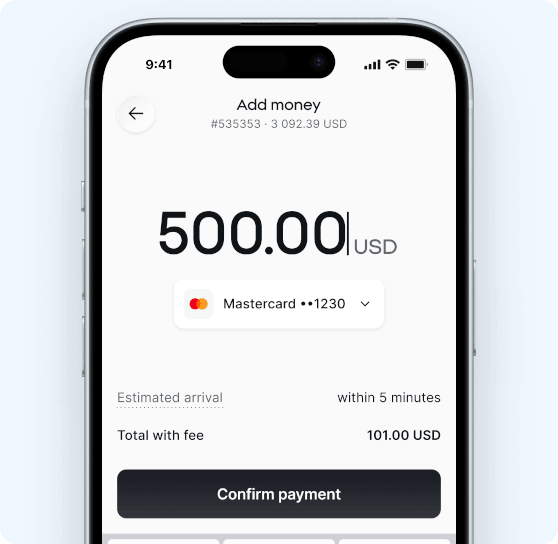
Make a deposit

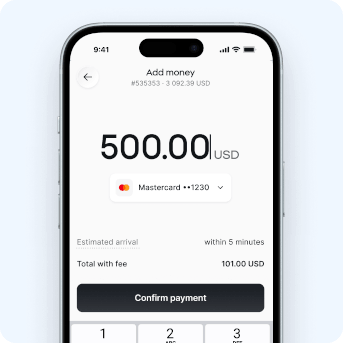
Add funds to your account using one of the available payment methods. Once your funds are available, you’re ready to start investing.

Trade ALUMINIUM

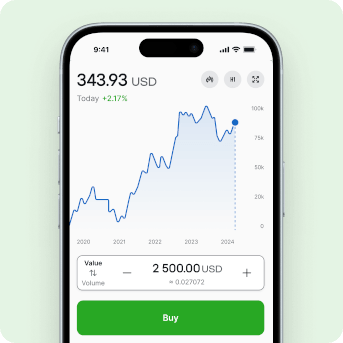
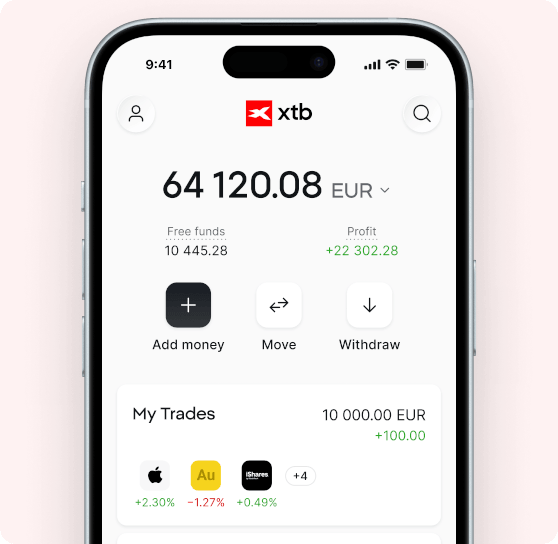
Find ALUMINIUM in XTB App, choose how much you want to invest and place your order. Start building your portfolio on your terms.

And make your money work in many ways

Explore more ways to put your money to work - from global stocks and ETFs to more. Discover Investment Plans and earn interest on uninvested funds while you wait for your next investment opportunity.

Popular in the markets

Most traded CFDs

Discover where CFD traders are most active. Explore some of the most traded CFDs across global markets and see which instruments are in focus.

News

Keep your finger on the pulse with our latest market news

We are regulated by leading financial regulatory authorities across multiple markets worldwide.

About instrument

Invest in ALUMINIUM CFD

Aluminium is one of the world's most widely used industrial metals, valued for its lightweight, corrosion-resistant and highly recyclable properties. It plays a vital role across industries including construction, automotive, aerospace, packaging and electronics, making it an important indicator of global industrial activity.

At XTB, you can trade Aluminium using Contracts for Difference (CFDs), allowing you to speculate on rising and falling aluminium prices without owning the underlying commodity. Aluminium prices can be influenced by global supply and demand, energy costs, industrial production and geopolitical developments.

When can Aluminium volatility increase?

Aluminium prices can become more volatile during periods of changing supply, industrial demand or macroeconomic uncertainty. Market activity often increases around:

  • Global manufacturing and industrial production data
  • Chinese economic releases
  • Energy price fluctuations
  • Supply disruptions or production cuts
  • Trade policies and tariffs
  • Geopolitical developments
  • Inventory updates from major commodity exchanges

What affects Aluminium prices?

Global Supply and Demand

The balance between aluminium production and consumption is one of the main drivers of price movements. Strong industrial demand or supply disruptions can tighten the market and support prices, while weaker demand or increased production may place downward pressure on aluminium.

Energy Prices

Aluminium production requires large amounts of electricity, making energy costs a significant factor for producers. Rising energy prices can increase production costs and influence global aluminium supply.

Chinese Production

China is the world's largest producer and consumer of aluminium. Changes in Chinese industrial activity, infrastructure spending or environmental policies can have a significant impact on global aluminium prices.

Industrial Demand

Demand for aluminium is closely linked to sectors such as construction, transport, packaging, renewable energy and consumer electronics. Economic expansion often increases demand, while slower growth can reduce industrial consumption.

Geopolitical Events

Trade restrictions, sanctions, supply chain disruptions and political instability can affect aluminium production, exports and transportation, contributing to higher market volatility.

Recycling and Sustainability

Aluminium is one of the most recyclable industrial metals. Growth in recycling capacity and increasing demand for sustainable materials may influence long-term supply dynamics and production costs.

About the Aluminium Market

Aluminium is produced primarily from bauxite ore through an energy-intensive refining and smelting process. Its combination of strength, low weight and corrosion resistance has made it one of the most important industrial metals worldwide.

The metal is widely used in construction, transportation, aerospace, renewable energy, electrical infrastructure and consumer products. Because aluminium demand is closely linked to economic growth and industrial activity, prices often reflect changes in global manufacturing conditions.

Trading Venues

Aluminium is traded on several major commodity exchanges, including:

  • London Metal Exchange (LME)
  • Chicago Mercantile Exchange (CME)
  • Shanghai Futures Exchange (SHFE)

Prices are influenced by exchange inventories, physical demand, industrial production and global economic conditions.

Important Economic Data

Market participants frequently monitor:

  • World Bureau of Metal Statistics (WBMS) reports
  • International Aluminium Institute (IAI) data
  • London Metal Exchange (LME) inventory reports
  • China Nonferrous Metals Industry Association (CNIA) statistics
  • U.S. Geological Survey (USGS) commodity reports
  • Global manufacturing PMI data
  • Trading Hours

Trading Hours
Aluminium CFDs can generally be traded throughout the trading week, depending on market availability. Activity is often highest during European and U.S. trading hours, when liquidity increases and major commodity exchanges are most active.


Minimal spread

8

Margin

10%

Leverage

10

Commission

-

Market hours

8:30 am - 7:30 pm

Interesting Facts

What to know before investing in ALUMINIUM

One of the World's Most Recycled Metals

Aluminium is almost infinitely recyclable without losing its original properties. Around 75% of all aluminium ever produced is still in use today, and recycling requires significantly less energy than producing new aluminium from raw materials.

China Dominates Global Production

China is the world's largest aluminium producer and consumer, accounting for more than half of global production. As a result, Chinese industrial output, construction activity and government policies often have a significant influence on aluminium prices.

Essential Across Multiple Industries

Aluminium is widely used in transportation, aerospace, construction, packaging, renewable energy and consumer electronics. Its combination of strength, durability and low weight has made it one of the world's most important industrial materials.

Energy Costs Matter

Producing aluminium requires substantial amounts of electricity, making energy prices an important factor in production costs. Changes in electricity markets can influence supply decisions and contribute to price volatility.

Supporting the Energy Transition

Aluminium is increasingly used in electric vehicles, solar panels, wind turbines and power infrastructure. Growing investment in renewable energy and electrification may contribute to long-term demand for the metal.

FAQ

Do you have more questions?

Find answers to our most commonly asked questions. Still have a question? Please contact our customer support team.

Aluminium is a lightweight industrial metal used extensively in manufacturing, transportation, construction, packaging and electronics. It is one of the world's most widely produced and recycled metals.

Aluminium prices are influenced by global supply and demand, energy costs, industrial production, Chinese economic activity, exchange inventories and geopolitical developments.

China is the largest producer and consumer of aluminium globally. Changes in Chinese manufacturing, infrastructure spending and environmental regulations can significantly influence worldwide aluminium prices.

Trading activity is generally highest during European and U.S. market hours, when liquidity increases and major commodity exchanges are most active.

Aluminium CFDs can experience rapid price movements due to economic data, changes in industrial demand, supply disruptions and geopolitical events. Leverage can amplify both gains and losses, making risk management essential.

Many traders combine technical analysis with fundamental analysis by monitoring industrial demand, energy markets, inventory reports, economic data and global supply trends before making trading decisions.

It is not possible to determine the "best" commodity to invest in, as the performance of different commodities can vary significantly depending on a wide range of factors. Some common commodities that are traded on the financial markets include oil, gold, and agricultural products.

Yes, individuals can invest in commodities through e.g. commodity based instruments - such as CFDs and futures contracts or purchasing physical meterials.

It is not possible to determine a "top" commodity, as it depends on a wide range of factors, but top five commodities by global trade volume are: Oil, Natural Gas, Gold, Silver and Copper. However, the popularity of different commodities can vary depending on regional and global economic conditions.