COTTON

Trade COTTON CFD

Past performance or future forecasts does not constitute a reliable indicator of future performance.

Fees

Less cost, more investments

Competitive fees

Trade with leverage and keep costs low

Free deposits/withdrawals

Manage your funds. Take advantage of free deposits and withdrawals.

No custody fees

No custody fees up to 250,000 EUR. After that, 0.02% per annum, minimum £10.

Learn

What is CFD trading?

New to CFDs? Learn how CFD trading works and how you can trade on both rising and falling prices without owning the underlying asset. We explain the basics, financial leverage, potential benefits and risks in simple terms.

Read the Beginner’s Guide

Create an account

Open your XTB account in just a few simple steps. Get access to global markets and a wide range of investment opportunities.

Make a deposit

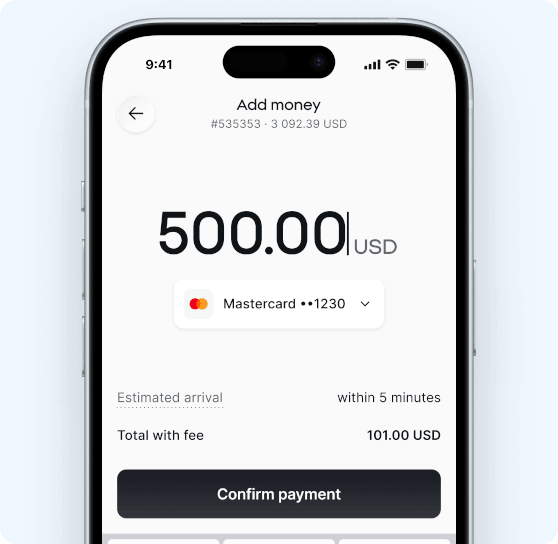
Add funds to your account using one of the available payment methods. Once your funds are available, you’re ready to start investing.

Trade COTTON

Find COTTON in XTB App, choose how much you want to invest and place your order. Start building your portfolio on your terms.

And make your money work in many ways

Explore more ways to put your money to work - from global stocks and ETFs to more. Discover Investment Plans and earn interest on uninvested funds while you wait for your next investment opportunity.

Popular in the markets

Most traded CFDs

Discover where CFD traders are most active. Explore some of the most traded CFDs across global markets and see which instruments are in focus.

News

Keep your finger on the pulse with our latest market news

We are regulated by leading financial regulatory authorities across multiple markets worldwide.

About instrument

Invest in COTTON CFD

Cotton is one of the world's most widely traded agricultural commodities and plays a vital role in the global textile industry. It is used to manufacture clothing, home furnishings and industrial fabrics, making demand closely linked to global consumer spending and manufacturing activity.

At XTB, you can trade Cotton CFDs based on ICE Cotton futures, allowing you to speculate on both rising and falling prices without owning the physical commodity. Cotton prices are influenced by weather, crop yields, global demand and international trade.
 

When can Cotton volatility increase?

Cotton prices often become more volatile around:

  • USDA WASDE reports
  • USDA Crop Progress reports
  • Planting and harvest seasons
  • Weather developments in major producing countries
  • Export sales reports
  • Trade policy announcements
  • U.S. dollar movements

What affects Cotton prices?

Global Supply and Demand

The balance between cotton production and consumption is one of the biggest drivers of prices. Strong textile demand or lower crop production can tighten supply, while larger harvests may place downward pressure on prices.

Weather Conditions

Cotton production depends heavily on favourable weather. Droughts, floods, hurricanes and early frosts in major producing regions can reduce yields and increase market volatility.

Global Textile Demand

Cotton demand is closely linked to the clothing and textile industries. Consumer spending, manufacturing activity and apparel production all influence long-term demand for cotton.

Trade Policies

Tariffs, export restrictions and government subsidies can affect global cotton trade. Market participants closely monitor developments involving major producers such as the United States, China and India.

Currency Movements

Cotton is priced globally in U.S. dollars. Exchange-rate movements can influence export competitiveness and international demand.

Economic Conditions

Economic growth supports consumer spending and clothing demand, while slower economic activity may reduce textile production and cotton consumption.

About the Cotton Market

Cotton is one of the oldest agricultural commodities traded globally and remains essential to the textile supply chain. The largest producers include the United States, India and China, while major textile manufacturing hubs include China, Bangladesh and Vietnam.

Because cotton production depends heavily on seasonal growing conditions, weather remains one of the market's most important price drivers.

Trading Venues

Cotton futures are primarily traded on:

  • ICE Futures U.S.
  • Intercontinental Exchange (ICE)

These exchanges provide the global pricing benchmark for cotton markets.

Important Market Reports

Traders frequently monitor:

  • USDA WASDE Report
  • USDA Cotton and Wool Outlook
  • USDA Crop Progress Report
  • USDA Export Sales Report
  • ICAC Global Cotton Reports
  • National Cotton Council Planting Intentions Survey

Trading Hours

Cotton CFDs generally follow the trading hours of the underlying ICE Cotton futures market and are available throughout most of the trading week. Trading activity is typically highest during U.S. market hours and around major USDA reports and significant weather developments.

Trade Cotton CFDs with XTB

With XTB, you can trade Cotton CFDs and gain exposure to one of the world's most important agricultural commodities. Access advanced trading platforms, market analysis and educational resources to help you navigate global commodity markets.


 

Minimal spread

0.19

Margin

10%

Leverage

10

Commission

-

Market hours

3:05 am - 8:20 pm

Interesting Facts

What to know before investing in COTTON

Cotton Has Been Traded for Thousands of Years

Cotton has been cultivated for more than 5,000 years and became one of the world's most valuable commodities during the Industrial Revolution. Today it remains a key raw material for the global textile industry, supporting clothing production and international trade across every continent.

Weather Can Move Prices Quickly

Cotton production depends heavily on favourable growing conditions. Droughts, floods, hurricanes and unexpected frosts in major producing countries can reduce crop yields, tighten global supply and contribute to periods of higher price volatility in cotton markets.

Global Fashion Influences Demand

Demand for cotton is closely linked to the textile and apparel industries. Consumer spending, population growth and manufacturing activity in countries such as China, Bangladesh and Vietnam all help shape global cotton consumption and long-term market demand.

Trade Policies Matter

The United States, India and China are among the world's largest cotton producers and exporters. Tariffs, export restrictions, government subsidies and international trade agreements can all influence global supply chains and contribute to changes in cotton prices.

Technology Improves Production

Modern farming techniques, precision irrigation and improved cotton seed varieties have increased productivity and crop resilience. These technological advances help improve yields, reduce production risks and support a more efficient global cotton industry.

Cotton Is a Truly Global Commodity

Cotton is grown, processed and traded across multiple continents, connecting farmers, textile manufacturers and retailers through international supply chains. Changes in economic conditions, freight costs and consumer demand can all influence global cotton prices.

FAQ

Do you have more questions?

Find answers to our most commonly asked questions. Still have a question? Please contact our customer support team.

Cotton CFDs allow traders to speculate on cotton price movements based on ICE Cotton futures without owning the physical commodity.

Cotton prices are influenced by weather conditions, crop production, global supply and demand, textile manufacturing, trade policies and broader economic conditions.

Cotton production depends on favourable growing conditions. Poor weather during planting or harvesting can reduce supply and contribute to higher market volatility.

Cotton CFDs can experience significant price movements because of changing weather, agricultural reports, trade developments and global demand. Leverage increases both potential gains and losses.

Many traders combine technical analysis with fundamental analysis by monitoring USDA reports, weather forecasts, export data, textile demand and developments in major producing countries.

It is not possible to determine the "best" commodity to invest in, as the performance of different commodities can vary significantly depending on a wide range of factors. Some common commodities that are traded on the financial markets include oil, gold, and agricultural products.

Yes, individuals can invest in commodities through e.g. commodity based instruments - such as CFDs and futures contracts or purchasing physical meterials.

It is not possible to determine a "top" commodity, as it depends on a wide range of factors, but top five commodities by global trade volume are: Oil, Natural Gas, Gold, Silver and Copper. However, the popularity of different commodities can vary depending on regional and global economic conditions.