



COCOA

Trade COCOA CFD

Past performance or future forecasts does not constitute a reliable indicator of future performance.

Fees

Less cost, more investments

Competitive fees

Trade with leverage and keep costs low

Free deposits/withdrawals

Manage your funds. Take advantage of free deposits and withdrawals.

No custody fees

No custody fees up to 250,000 EUR. After that, 0.02% per annum, minimum £10.

Learn

What is CFD trading?

New to CFDs? Learn how CFD trading works and how you can trade on both rising and falling prices without owning the underlying asset. We explain the basics, financial leverage, potential benefits and risks in simple terms.

Read the Beginner’s Guide

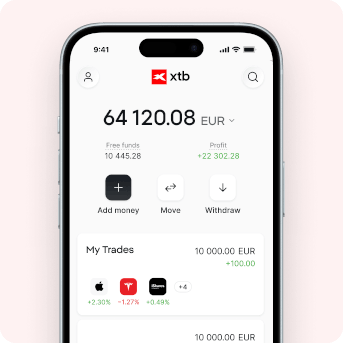
Create an account

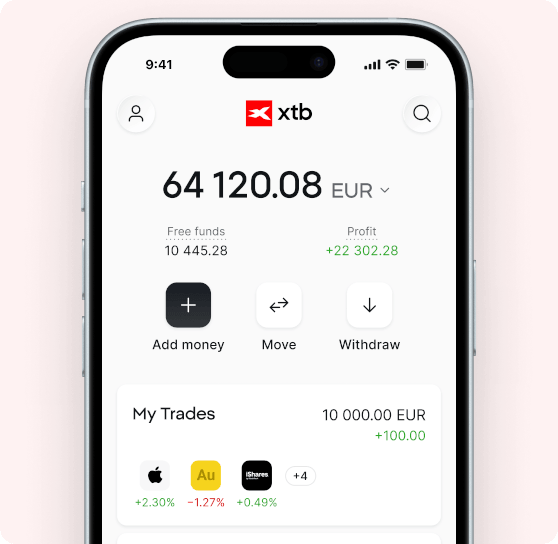
Open your XTB account in just a few simple steps. Get access to global markets and a wide range of investment opportunities.

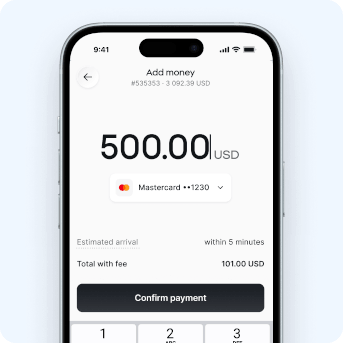
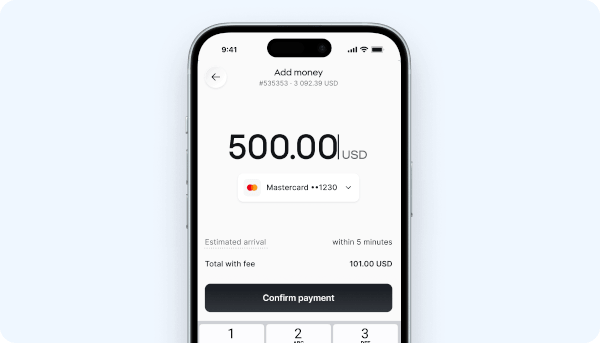
Make a deposit

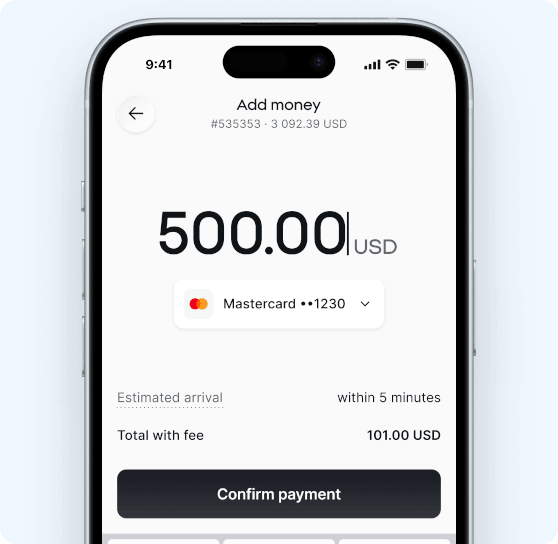
Add funds to your account using one of the available payment methods. Once your funds are available, you’re ready to start investing.

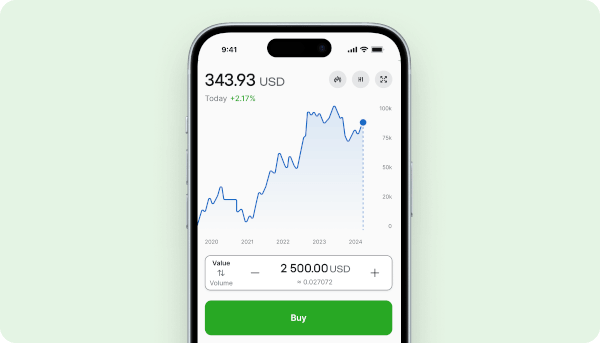
Trade COCOA

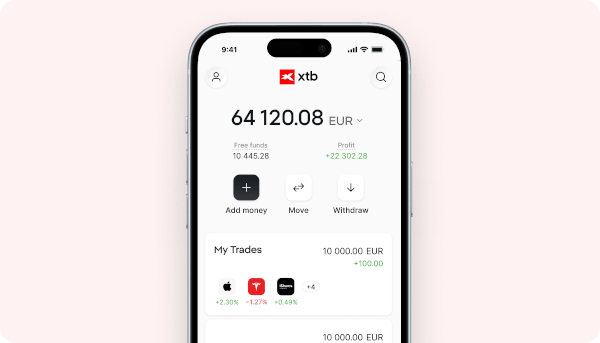
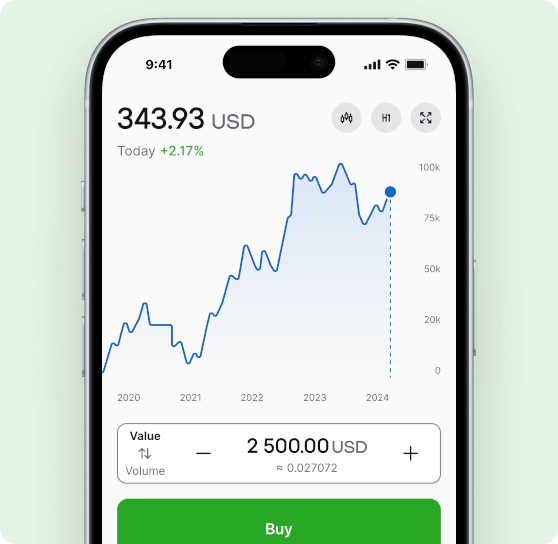
Find COCOA in XTB App, choose how much you want to invest and place your order. Start building your portfolio on your terms.

And make your money work in many ways

Explore more ways to put your money to work - from global stocks and ETFs to more. Discover Investment Plans and earn interest on uninvested funds while you wait for your next investment opportunity.

Popular in the markets

Most traded CFDs

Discover where CFD traders are most active. Explore some of the most traded CFDs across global markets and see which instruments are in focus.

News

Keep your finger on the pulse with our latest market news

We are regulated by leading financial regulatory authorities across multiple markets worldwide.

About instrument

Invest in COCOA CFD

Cocoa is a highly valuable commodity as it is a key ingredient in chocolate and other confectionery products. For investors looking for long-term growth opportunities, investing in cocoa can be a lucrative venture. Investing in cocoa can yield significant returns as it is used in various industries, including food, confectionery, and pharmaceuticals.

The economies of many countries, especially those in West Africa, are heavily reliant on cocoa production. Moreover, cocoa prices are highly volatile, which can create opportunities for investors to profit from price fluctuations.

Cocoa and natural gas are two commodities that share some similarities when it comes to investing. Both are highly volatile and traded on global markets. However, cocoa may be a less risky investment than natural gas since cocoa is less prone to geopolitical tensions and supply disruptions.

Investing in cocoa can be done in several ways and thanks to the XTB offering, it’s possible to invest in cocoa using one of the most dynamic ways - contracts for difference (CFDs).

Learn more about CFD investing at XTB here.

Minimal spread

11

Margin

10%

Leverage

10

Commission

-

Market hours

10:45 am - 7:30 pm

Interesting Facts

What to know before investing in COCOA

Theobroma Cacao: The Food of the Gods: The scientific name for cocoa, Theobroma cacao, translates to "food of the gods." This ancient Mesoamerican plant has been cultivated for over 4,000 years, and its beans were used as a form of currency and for spiritual ceremonies by Mayans and Aztecs.

Cocoa's Amazonian Origins: Cocoa beans originated in the Amazon and Orinoco basins of South America, specifically in Colombia and Venezuela. Wild cacao trees can still be found in these regions, where the ancient roots of this valuable commodity lie.

The Bittersweet Truth of Cocoa Farming: While cocoa is a beloved treat worldwide, its production involves challenges. Approximately 90% of pure cocoa is produced by small farmers facing unstable climates and low profitability, leading to deforestation and habitat destruction.

Cocoa's Renewable Energy Potential: Ivory Coast, the world's largest cocoa exporter, has found an innovative way to use cocoa waste. By converting cocoa shells, pod husks, and sweatings into biomass, the country is powering a biomass plant that contributes to its transition to renewable energy.

400 Beans for a Pound of Chocolate: It takes around 400 cocoa beans to produce one pound of chocolate. This fun fact gives insight into the labour-intensive process behind creating everyone's favourite sweet indulgence.

Cocoa's Multifaceted Use: Cocoa is not just for chocolates. It is also a crucial ingredient in various cultural dishes, sweets, and even pharmaceuticals. Its diverse applications make it an essential luxury commodity with a significant impact on global markets.

Climate Change and Cocoa: Climate-related issues are affecting cocoa production regions like Ghana and Côte d'Ivoire. Temperature rise and rain shortfalls are posing challenges for cocoa farmers, putting pressure on production capacity and sustainability.

Cocoa's Role in Ancient Civilisations: Ancient civilisations like the Maya, Toltec, and Aztec peoples used cocoa beans to prepare a beverage long before the European discovery. Christopher Columbus brought cocoa beans to Spain after his fourth voyage in 1502.

Cocoa's Cultural Significance: Cocoa plays a vital role in various cultures worldwide, being a significant ingredient in numerous traditional beverages and dishes. Its cultural significance goes beyond being a mere commodity, making it deeply ingrained in societies.

Cocoa: The Chocolate Industry Giant: The global chocolate industry is worth over $100 billion, and cocoa's popularity continues to rise. With a wide range of applications and increasing demand, cocoa remains a prominent asset in the stock market.

FAQ

Do you have more questions?

Find answers to our most commonly asked questions. Still have a question? Please contact our customer support team.

Cocoa investment involves buying cocoa beans or cocoa futures with the expectation of earning a profit from their increase in value. Cocoa futures are contracts that allow investors to buy or sell cocoa beans at a predetermined price at a future date. Investors can make a profit if the price of cocoa increases before the contract's expiration date, allowing them to sell the contract for more than they paid for it.


As with any investment, cocoa investment carries risks. One of the most significant risks is the volatility of cocoa prices. The price of cocoa can fluctuate based on factors like supply and demand, weather conditions, and political instability in cocoa-producing countries. Additionally, investing in cocoa futures involves leverage, which can amplify both gains and losses.


There are several ways to invest in cocoa, including one of the most dynamic ways - contracts for difference (CFDs) as offered at xtb.com.


The price of cocoa can be affected by various factors, including weather conditions in cocoa-producing regions, political instability in these regions, changes in demand from chocolate manufacturers and consumers, and fluctuations in currency exchange rates.


Cocoa investment can provide portfolio diversification, as it is not directly correlated with other asset classes like stocks and bonds. Additionally, the demand for cocoa is expected to grow in the coming years, particularly in emerging markets, which could lead to higher cocoa prices and potentially higher returns for investors.


It is not possible to determine the "best" commodity to invest in, as the performance of different commodities can vary significantly depending on a wide range of factors. Some common commodities that are traded on the financial markets include oil, gold, and agricultural products.

Yes, individuals can invest in commodities through e.g. commodity based instruments - such as CFDs and futures contracts or purchasing physical meterials.

It is not possible to determine a "top" commodity, as it depends on a wide range of factors, but top five commodities by global trade volume are: Oil, Natural Gas, Gold, Silver and Copper. However, the popularity of different commodities can vary depending on regional and global economic conditions.