

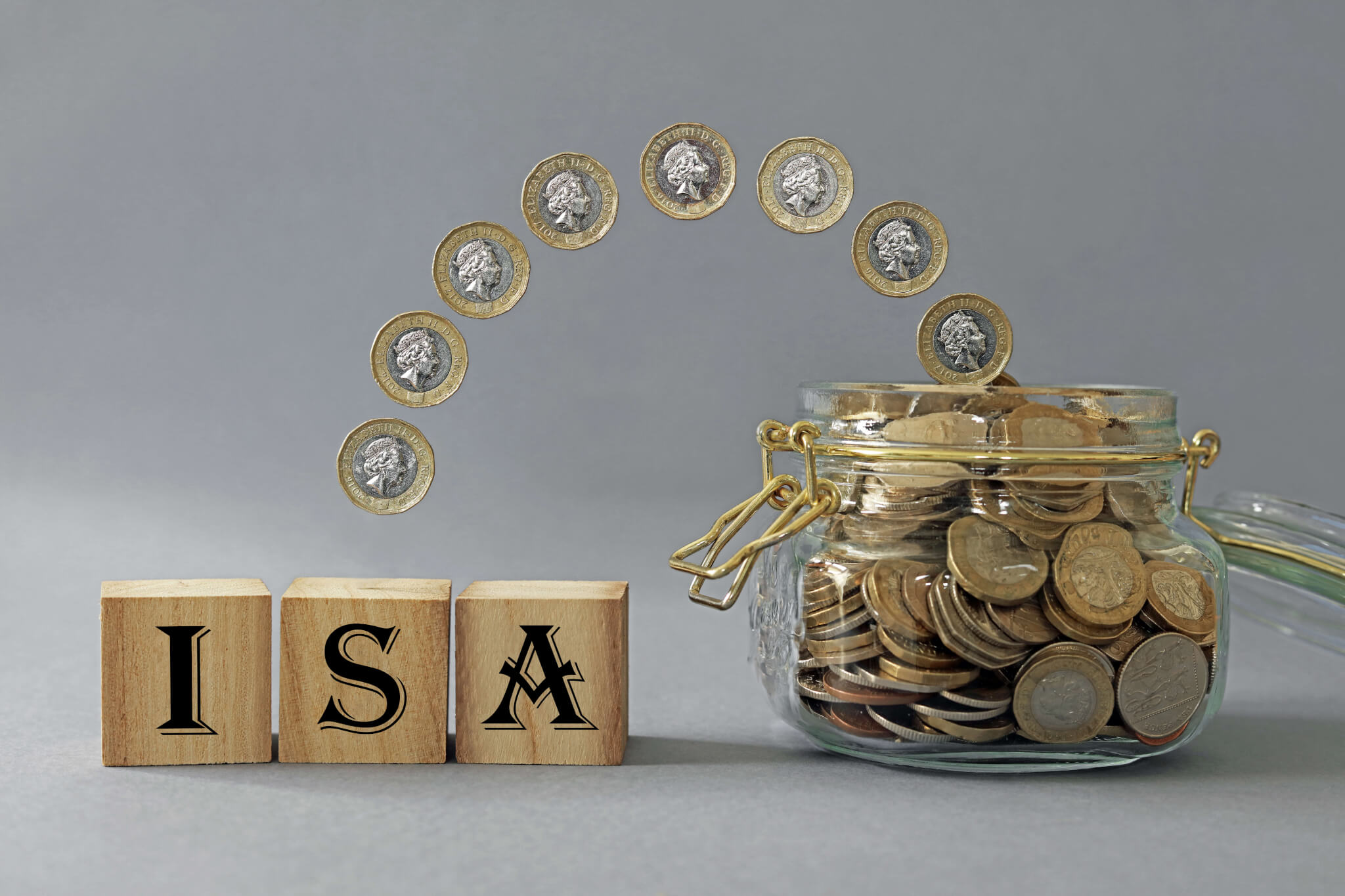
Every year, the ISA deadline tends to sneak up on us. We know it’s coming, yet every March, there’s a collective scramble to beat the midnight buzzer on 5 April.
For the 2025/26 tax year, your £20,000 allowance is "use it or lose it." If you don’t hit "confirm" by the 5th, that tax-free ceiling resets to zero on the 6th. You can’t roll it over, and you can’t get it back.
But this year isn't just another calendar reset. Missing the 5 April cut-off doesn't just mean losing your allowance; you may end up paying more tax on returns outside an ISA.
Every year, the ISA deadline tends to sneak up on us. We know it’s coming, yet every March, there’s a collective scramble to beat the midnight buzzer on 5 April.
For the 2025/26 tax year, your £20,000 allowance is "use it or lose it." If you don’t hit "confirm" by the 5th, that tax-free ceiling resets to zero on the 6th. You can’t roll it over, and you can’t get it back.
But this year isn't just another calendar reset. Missing the 5 April cut-off doesn't just mean losing your allowance; you may end up paying more tax on returns outside an ISA.
What is the ISA allowance?
The ISA allowance is the amount you can save or invest each tax year without paying tax on the returns.
That includes things like interest on savings, dividends, and capital gains.
For this tax year, the limit is £20,000.
You can split that across different types of ISAs or use it all in one place. But once the deadline passes, any unused allowance disappears.
How long do you have left?
The ISA deadline is midnight on 5 April 2026.
That might feel like there’s still time, but leaving it too late can cause problems. Account checks, transfers, or even just getting everything set up can take longer than expected, especially as more people rush to beat the deadline.
If you’re planning to use your allowance, it’s usually easier to get it sorted a bit earlier.
At the same time, it’s worth taking a moment to compare providers before opening an ISA. Headline rates can vary, but so can things like how reliable the platform is, how easy it is to access your money and how long introductory rates usually last. Looking at the full picture can make a bigger difference than just choosing the highest number.
Why the ISA deadline matters more now
This year, there are a couple of concrete reasons to pay more attention than usual.
Dividend tax is going up from 6 April. Dividend tax rates are increasing by 2% for both basic and higher rate taxpayers from the start of the new tax year. That means any dividends you earn outside of an ISA wrapper will cost you more from 6 April onwards. If you hold dividend-paying investments outside of an ISA, sheltering them before 5 April means you lock in this year’s full £20,000 allowance and sidestep the new rates from day one.
The cash ISA allowance is being cut next year. From April 2027, the cash ISA allowance is set to drop from £20,000 to £12,000 for savers under 65. This is one of the final opportunities to shelter a full £20,000 in cash before the cap is introduced in 2027.
These aren’t abstract future risks, both changes take effect within weeks of the 5 April deadline. Acting now protects you from both.
Beyond that, tax-free allowances outside of ISAs, particularly for dividends and capital gains have been reduced over recent years. That means more of your returns can now be taxed if they sit outside an ISA. At the same time, savings rates have become more competitive, and some providers are offering stronger introductory deals. The gap between taxable and tax-free returns is more noticeable than it used to be.
What happens if you miss the deadline?
Nothing dramatic happens overnight. But you do lose that year’s allowance permanently. So if you had £10,000 you could have used this year and didn’t, you can’t add it on top of next year’s allowance. You simply start again from zero on 6 April. Over time, that can add up to a significant amount of lost tax-free space. And that’s the bit most people overlook.
Who should be thinking about this now?
You don’t need to be using the full £20,000 for this to matter.
It’s worth looking at before the deadline if you:
- Have cash sitting in a standard savings account
- Hold investments outside of an ISA
- Haven’t used your allowance this year
- Want to start small and build the habit
Even a small contribution means you’ve used part of this year’s allowance instead of losing it completely.
A quick reminder of ISA types
Your allowance can be split across different ISA types:
- Cash ISA – similar to a savings account, but interest is tax-free
- Stocks & Shares ISA – invest in funds, shares or ETFs with tax-free growth and dividends
- Innovative Finance ISA – used for peer-to-peer lending
- Lifetime ISA – up to £4,000 per year with a 25% government bonus
- Junior ISA – a separate allowance for under-18s
You can have more than one type, but your total contributions must stay within the £20,000 limit.
Flexible ISAs: Something worth knowing
Some ISAs are “flexible”, which means you can withdraw money and put it back within the same tax year without affecting your allowance.
That can be useful if you want access to your funds but still want to make the most of your ISA allowance. It’s not a feature all providers offer, so it’s worth checking.
Opening an ISA before 5 April
Opening an ISA doesn’t usually take long, but leaving it until the last minute can make things more stressful than they need to be.
XTB offers both a Flexible Cash ISA and a Flexible Stocks & Shares ISA on one platform.
For new clients, the Cash ISA currently offers a 6% AER introductory rate for the first 90 days (including a temporary boost), before moving to a standard variable rate of 4% AER. The minimum deposit is £10.
If you’re planning to open one, it’s worth allowing enough time for everything to be set up properly before the deadline.
Ready to use your allowance before 5 April?
XTB’s Flexible Cash ISA offers 6% AER for new clients for the first 90 days, with a £10 minimum deposit and no account fees. Both Cash ISA and Stocks & Shares ISA are available on one platform.
Voted Best Low-Cost ISA by Boring Money 2025 & 2026.
Capital at risk. Investment values can rise or fall. 2% ISA rate boost for 90 days. New clients only. T&Cs apply.

Best Cash ISA Comparison 2026

When Does the ISA Allowance Reset in 2026?

Your New ISA Allowance Starts Now
This content has been created by XTB S.A. This service is provided by XTB S.A., with its registered office in Warsaw, at Prosta 67, 00-838 Warsaw, Poland, entered in the register of entrepreneurs of the National Court Register (Krajowy Rejestr Sądowy) conducted by District Court for the Capital City of Warsaw, XII Commercial Division of the National Court Register under KRS number 0000217580, REGON number 015803782 and Tax Identification Number (NIP) 527-24-43-955, with the fully paid up share capital in the amount of PLN 5.869.181,75. XTB S.A. conducts brokerage activities on the basis of the license granted by Polish Securities and Exchange Commission on 8th November 2005 No. DDM-M-4021-57-1/2005 and is supervised by Polish Supervision Authority.