


The cryptocurrency market is facing one of the biggest security crises in its history. Binance, the world's largest cryptocurrency exchange, has fallen victim to a massive cyberattack, with the total scale of the incident estimated at approximately USD 6.3 billion. According to preliminary findings, the attack may have originated from the compromise of a laptop belonging to one of the exchange's engineers, allowing hackers to gain access to internal systems and carry out unauthorized withdrawals. Binance has stated that it has so far found no evidence of private wallet keys being compromised.
In response to the incident, the exchange temporarily suspended deposits and withdrawals and began cooperating with law enforcement agencies and blockchain security firms. So far, approximately USD 3 billion in stolen assets has been frozen, primarily through the efforts of stablecoin issuers such as Tether and Circle. However, this means that the fate of the remaining approximately USD 3.3 billion remains uncertain.
Particular concerns have been raised over how Binance intends to cover the potential losses. The exchange has assured users that they will not suffer any financial consequences as a result of the attack and that all losses will be covered by its emergency SAFU fund and the company's own resources. The problem is that the SAFU fund itself holds assets worth approximately USD 1 billion, making it significantly smaller than the scale of the potential losses. This means Binance will also have to commit substantial amounts of its own capital to fulfil its assurances.
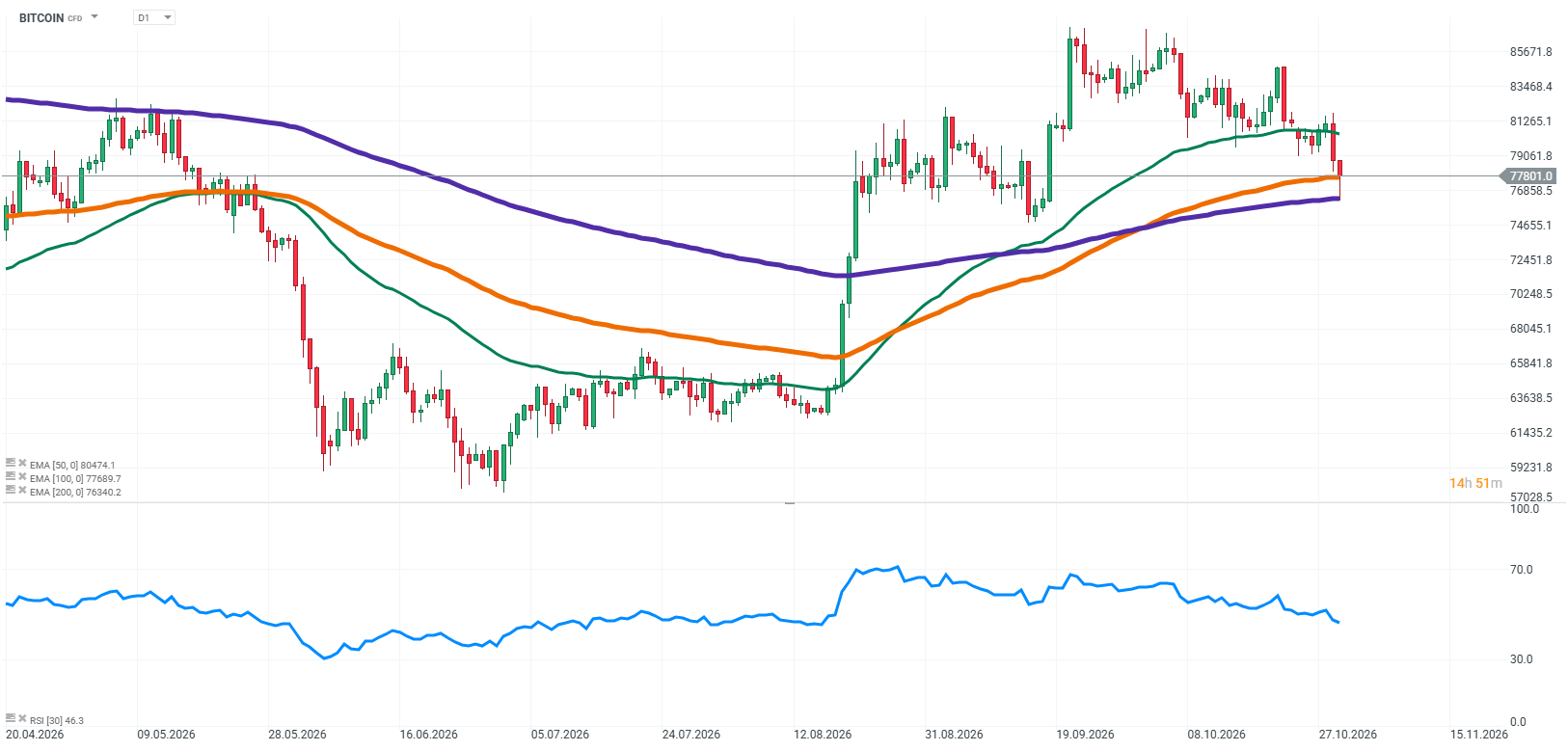
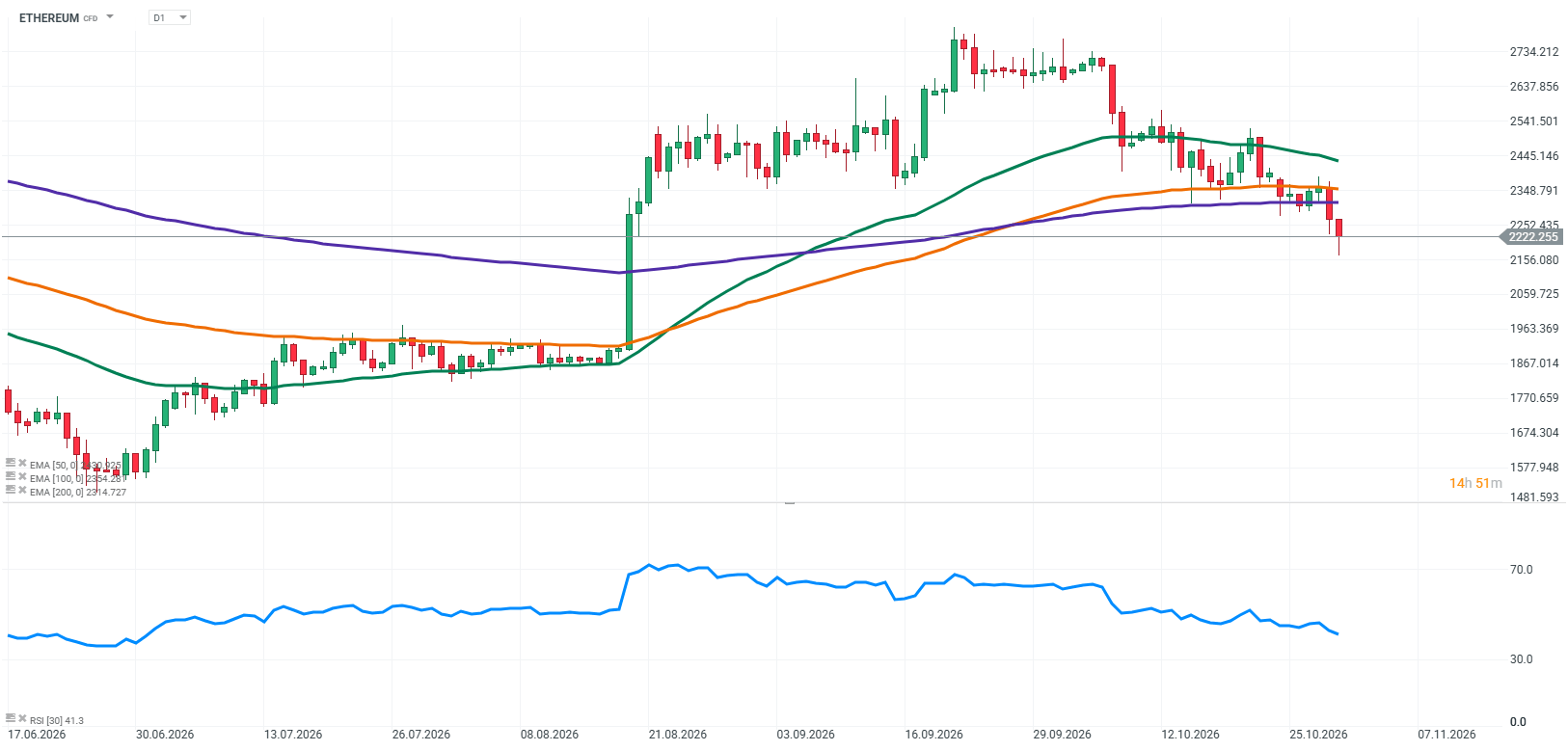
The attack has also triggered a strong reaction across the cryptocurrency market. Bitcoin fell to its lowest level in approximately six weeks, while Ethereum and BNB also came under significant selling pressure. The incident has once again undermined investor confidence in the security of centralized exchanges and heightened concerns about the risks associated with holding large amounts of capital on such platforms.
The effects of the incident could be felt across the broader market for some time. The suspension of withdrawals and reduced liquidity on Binance could lead to wider spreads, restrictions on leveraged trading and forced liquidations on other platforms. The restoration of investor confidence will depend primarily on recovering the stolen assets, establishing the causes of the attack and restoring the exchange's full functionality.
It is also worth putting the scale of this event into a broader historical context. Until now, one of the largest attacks in cryptocurrency history was the theft of approximately USD 1.5 billion from the Bybit exchange in February 2025. Other major incidents have included the attack on the Ronin network, during which approximately USD 540 million was stolen, and the collapse of the Mt. Gox exchange, which was associated with the loss of cryptocurrencies worth nearly USD 500 million. The current Binance incident significantly exceeds these cases and once again raises serious questions about the security of funds held on centralized cryptocurrency exchanges.
Source: XTB Reserach
Source: XTB Reserach



Tech sell off continues, as UK yields defy government dithering on spending cuts



Economic Calendar: Preliminary European GDP and German Inflation in Market Focus



Morning Wrap: Wall Street's Tech Slowdown: Massive AI Investments Spark Growing Concerns


Daily Summary: Bloody Thursday on Wall Street: Nasdaq Leads the Sell-Off
This content has been created by XTB S.A. This service is provided by XTB S.A., with its registered office in Warsaw, at Prosta 67, 00-838 Warsaw, Poland, entered in the register of entrepreneurs of the National Court Register (Krajowy Rejestr Sądowy) conducted by District Court for the Capital City of Warsaw, XII Commercial Division of the National Court Register under KRS number 0000217580, REGON number 015803782 and Tax Identification Number (NIP) 527-24-43-955, with the fully paid up share capital in the amount of PLN 5.869.181,75. XTB S.A. conducts brokerage activities on the basis of the license granted by Polish Securities and Exchange Commission on 8th November 2005 No. DDM-M-4021-57-1/2005 and is supervised by Polish Supervision Authority.