

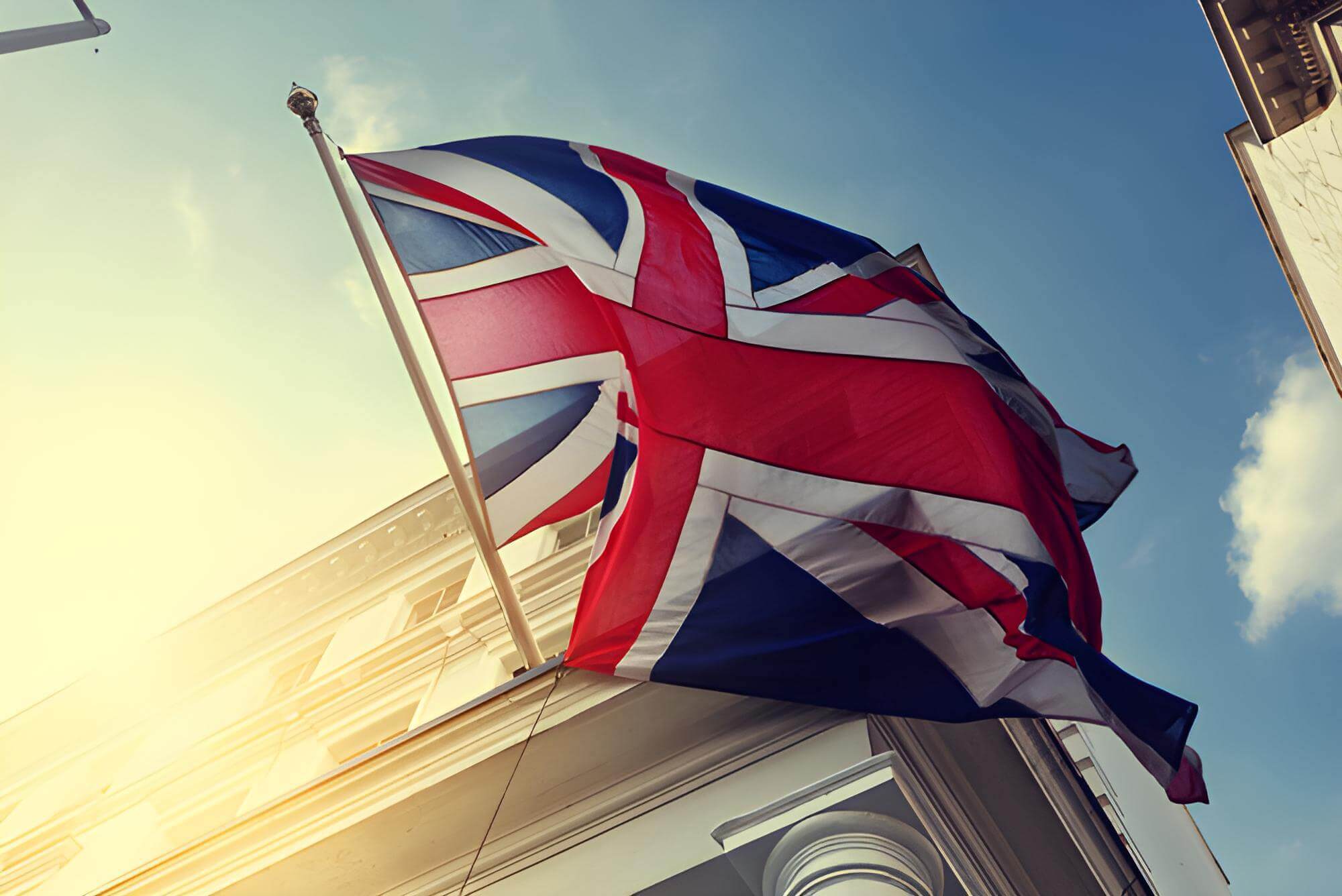
- Lloyds and NatWest drop on reports of a bank-specific tax in the upcoming UK budget.
- UK bank taxes risk lowering economic growth and tightening lending standards.
- US Treasuries stage a recovery despite rising inflation as markets price in steady interest rates.

- Lloyds and NatWest drop on reports of a bank-specific tax in the upcoming UK budget.
- UK bank taxes risk lowering economic growth and tightening lending standards.
- US Treasuries stage a recovery despite rising inflation as markets price in steady interest rates.
A dramatic week for traders is ending on a calmer note. European stocks are generally stronger today, aside from the FTSE 100. US stock index futures suggest a continued recovery in some US stocks and S&P 500 futures are inching higher before the open.
Banks take a hit from budget speculation
The UK index is the best performing major index this week, and is higher by 3.7%. However, it is slipping on Friday and is being led lower by the banking sector. Lloyds is down 2%, and NatWest is down 1.8% after reports that John Healey will impose a bank-specific tax in the budget.
This idea has been circulating for a while, and the plan being considered is a reversal of the cut in banks profit surcharge from 3% back to 8%. Another idea could be to introduce a one off windfall tax after banks have reported strong profits in recent years.
While big international banks in the UK are likely to be less affected, domestic names are in the firing line. The money raised is expected to be used for a cost-of-living package for benefit claimants.
Why the bank tax is a bad idea
The budget speculation is ramping up as we have less than 2 weeks to go before the big day. Critics of the tax argue that it is a tax on investment, and since investment is propping up the economy right now, it could weaken economic growth down the line. Banks in the UK already have a higher tax rate than other financial centers like New York and even Frankfurt.
Why a bank tax risks damaging the UK’s economic recovery
If bank costs rise, this will feed through to businesses and consumers. The banks could reduce the savings rates they offer or have tighter lending standards, which risks the fragile economic recovery we have seen in the UK this year.
Bank tax threatens FTSE 100
It will also have an impact on the FTSE 100 since the banking sector makes up nearly 20% of the FTSE 100, and has a market cap of over £480bn. The UK’s banking sector has been extremely resilient this year and has performed positively, for example Lloyds Banking Group is higher by 20% in the past 12 months. The risk is that downward pressure will now build, and this will dim the attractiveness of the entire index.
We will need to wait for the Budget to get the details of this tax, afterall, this is the Labour Party and they are well known for their U-turns. The Chancellor may need to water down plans for a tax if he wants to avoid denting both the economy and the FTSE 100.
What next for the AI trade?
We mentioned on Thursday that the AI sell off was losing steam. The sell off was driven by ‘vibes’ and the fundamental picture for the AI trade has not changed dramatically, especially for the mega cap Magnificent 7. Investors are worried about investment needs, the cost of capital and the expected payoff. These worries have been brewing for a while and it seems like it has been one thing after another for the AI trade since June.
Chip stocks and cloud providers have been hit hardest this week. CoreWeave, which has been at the forefront of the sell off, rose by 5% on Thursday, however, it is currently down more than 4% in pre-market trading on Friday, likewise SanDisk is also lower by 1%. There could be more targeted selling of AI names as we end the week, even if the overall index level manages to stage a recovery.
Will the rotation out of equities and into bonds continue?
Another big theme this week has been the rotation out of equities and into bonds. US Treasuries, along with other sovereign bonds, have staged a stunning recovery this week. The 10-year Treasury yield is lower by 13bp, even though both CPI and PPI inflation rose to multi-year highs.
The revival of Treasuries as a safe haven trade was helped by Fed chair Kevin Warsh did not push back on the market view that US interest rates will remain steady in October. In fairness Warsh made no comments about the outlook for interest rates or on the US economy, and instead maintained his view that the Fed’s main job is price stability.
Although inflation is rising in the US, the market is only pricing in a 14% chance of a rate hike from the Fed this month. This is soothing markets as we move to the end of the week.

🔼 EURUSD continues to rebound


TSMC in Talks with Elon Musk Over Terafab

Chart of the Day: NATGAS - Are there chances for a seasonal rebound amid warm weather?


Daily summary 📈 Precious metals and stock indices rebound as Treasury yields fall
This content has been created by XTB S.A. This service is provided by XTB S.A., with its registered office in Warsaw, at Prosta 67, 00-838 Warsaw, Poland, entered in the register of entrepreneurs of the National Court Register (Krajowy Rejestr Sądowy) conducted by District Court for the Capital City of Warsaw, XII Commercial Division of the National Court Register under KRS number 0000217580, REGON number 015803782 and Tax Identification Number (NIP) 527-24-43-955, with the fully paid up share capital in the amount of PLN 5.869.181,75. XTB S.A. conducts brokerage activities on the basis of the license granted by Polish Securities and Exchange Commission on 8th November 2005 No. DDM-M-4021-57-1/2005 and is supervised by Polish Supervision Authority.