


Micron and General Motors have entered into a long-term agreement for the supply of semiconductor memory used in the American automaker’s modern vehicle platforms. The deal covers both volatile memory and data storage components, which today represent one of the key foundations of how contemporary vehicles operate.
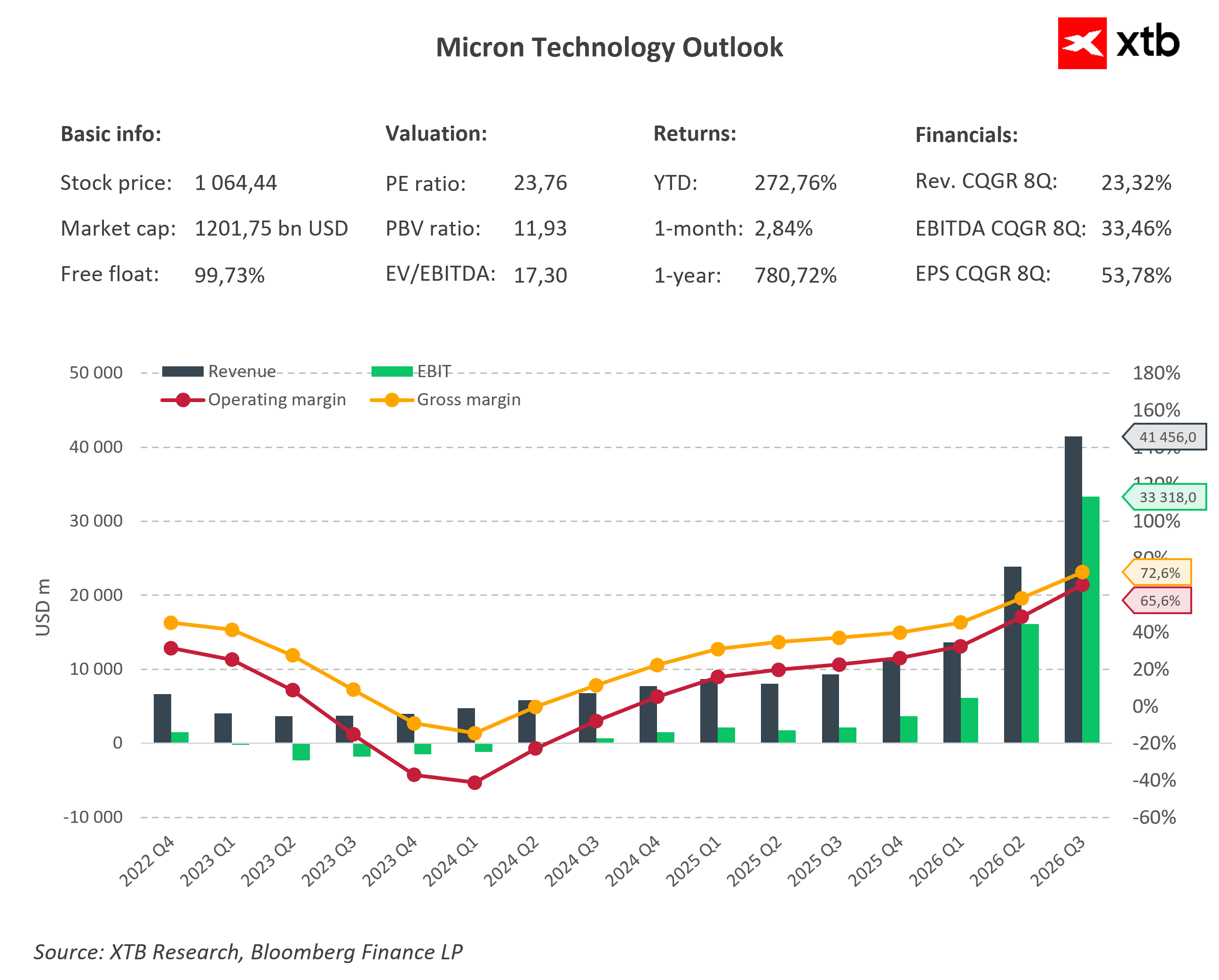
In practical terms, this refers to components such as DRAM memory and NAND flash storage devices used in automotive systems. These elements are responsible for the efficient functioning of increasingly sophisticated vehicle electronics, including driver assistance systems, multimedia systems, and the broader digital architecture that is rapidly defining modern automobiles.
However, the agreement goes significantly beyond a standard commercial supply contract. Both companies intend to collaborate on the design of next-generation technologies, which means not only the delivery of finished components but also joint alignment of memory development roadmaps with the future needs of General Motors’ vehicle platforms. As a result, the relationship between the two companies is evolving into a long-term technology partnership.
At the market level, this reflects a broader shift in Micron’s operating model. The company is increasingly moving away from the role of a traditional cyclical semiconductor manufacturer and toward a supplier of multi-year, contract-secured volumes for strategic industries. In recent periods, Micron has announced a series of such agreements, covering a meaningful portion of its future memory production.
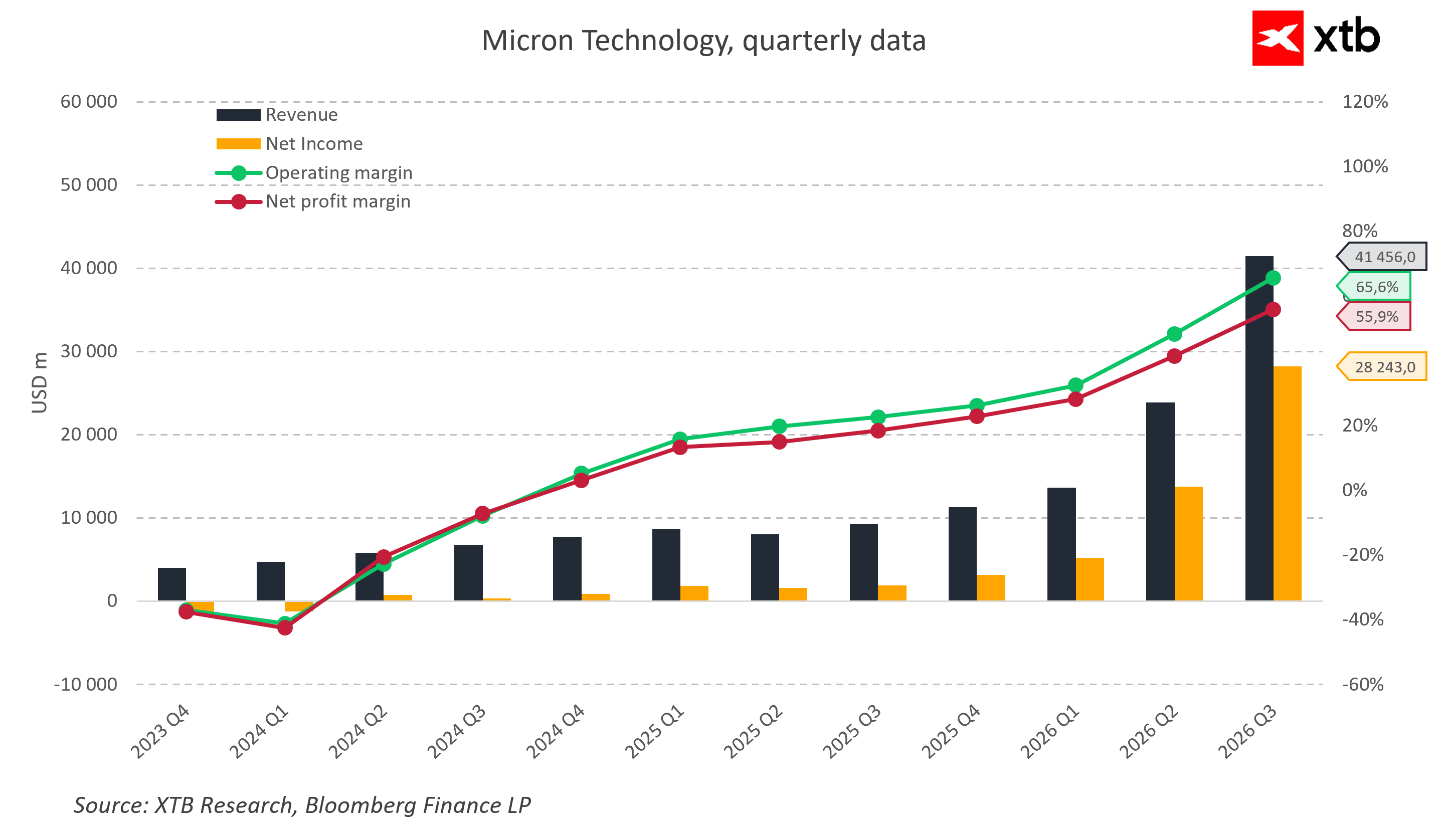
For General Motors, the significance of this cooperation is particularly clear. The automotive industry is becoming one of the most predictable consumers of semiconductors, as vehicle platform lifecycles are long and supply continuity requirements are exceptionally strict. At the same time, cars are increasingly resembling computers on wheels, where memory and data processing play a role just as fundamental as traditional mechanical systems.
At the same time, the broader macroeconomic backdrop remains highly relevant. Demand for memory is currently driven primarily by artificial intelligence and data center expansion, creating supply constraints and pushing DRAM prices higher, with some reports indicating increases of around 70 percent since the end of last year. In such an environment, semiconductor manufacturers benefit from stronger negotiating power, while SCA-type contracts serve both as supply security for customers and margin stabilization for producers.
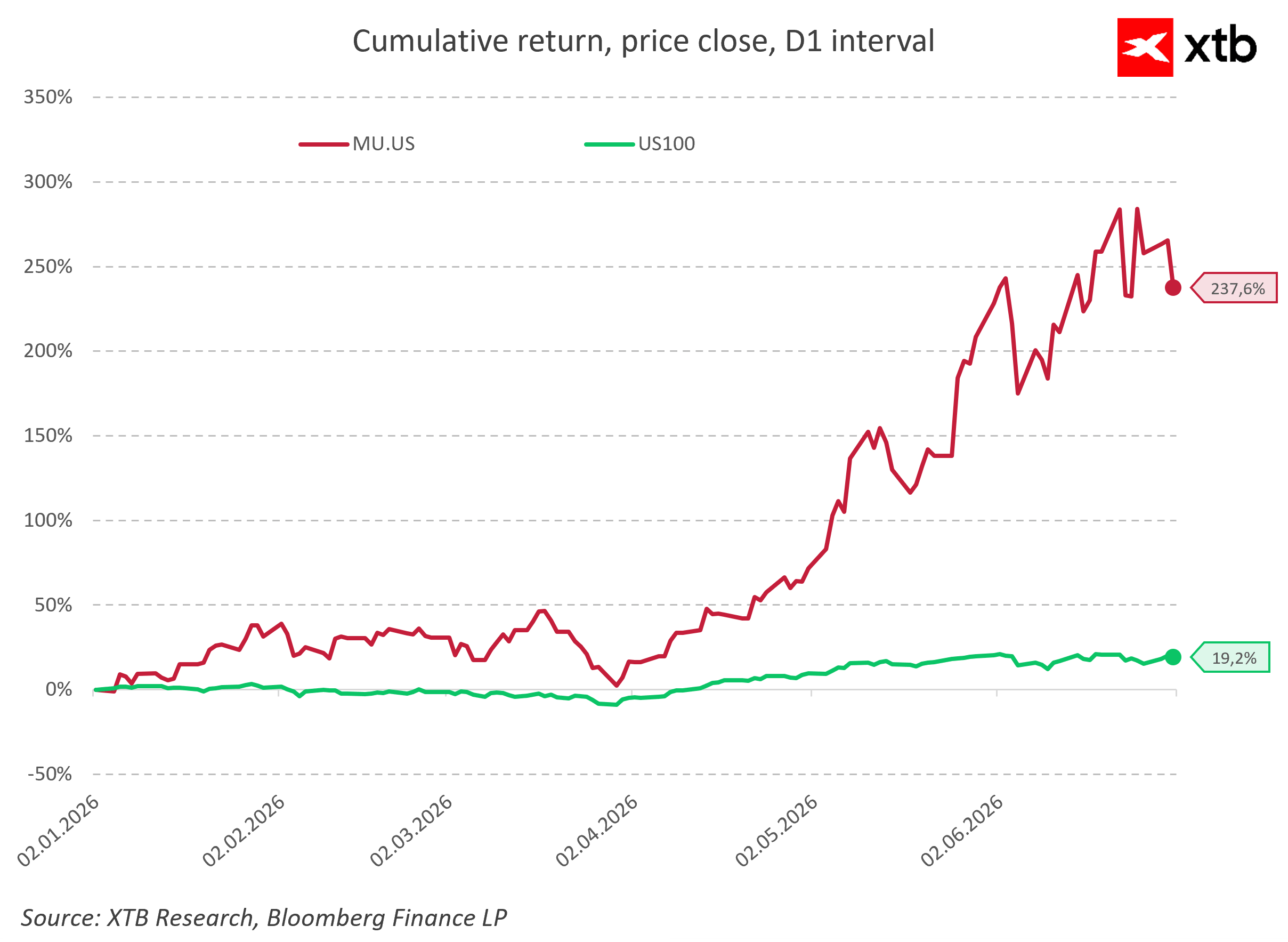
As a result, this agreement with GM is not an isolated event but part of Micron’s broader strategic shift from a purely cyclical business model toward a more contract-driven approach, in some respects resembling long-term infrastructure suppliers. The market may interpret this as an improvement in revenue quality, while also signaling that the current memory market cycle is more structurally tight than traditionally cyclical.


Daily summary 📈 Precious metals and stock indices rebound as Treasury yields fall


US Open: Nasdaq 100 extends losses 🚩 AI stocks under pressure, CoreWeave falls 8%



Market Wrap: Tech Sell-Off Hits Europe, Gold Shines Again


UK the harbour in the storm as tech bloodbath continues
This content has been created by XTB S.A. This service is provided by XTB S.A., with its registered office in Warsaw, at Prosta 67, 00-838 Warsaw, Poland, entered in the register of entrepreneurs of the National Court Register (Krajowy Rejestr Sądowy) conducted by District Court for the Capital City of Warsaw, XII Commercial Division of the National Court Register under KRS number 0000217580, REGON number 015803782 and Tax Identification Number (NIP) 527-24-43-955, with the fully paid up share capital in the amount of PLN 5.869.181,75. XTB S.A. conducts brokerage activities on the basis of the license granted by Polish Securities and Exchange Commission on 8th November 2005 No. DDM-M-4021-57-1/2005 and is supervised by Polish Supervision Authority.