


🌍 Geopolitics — Iran/Hormuz
-
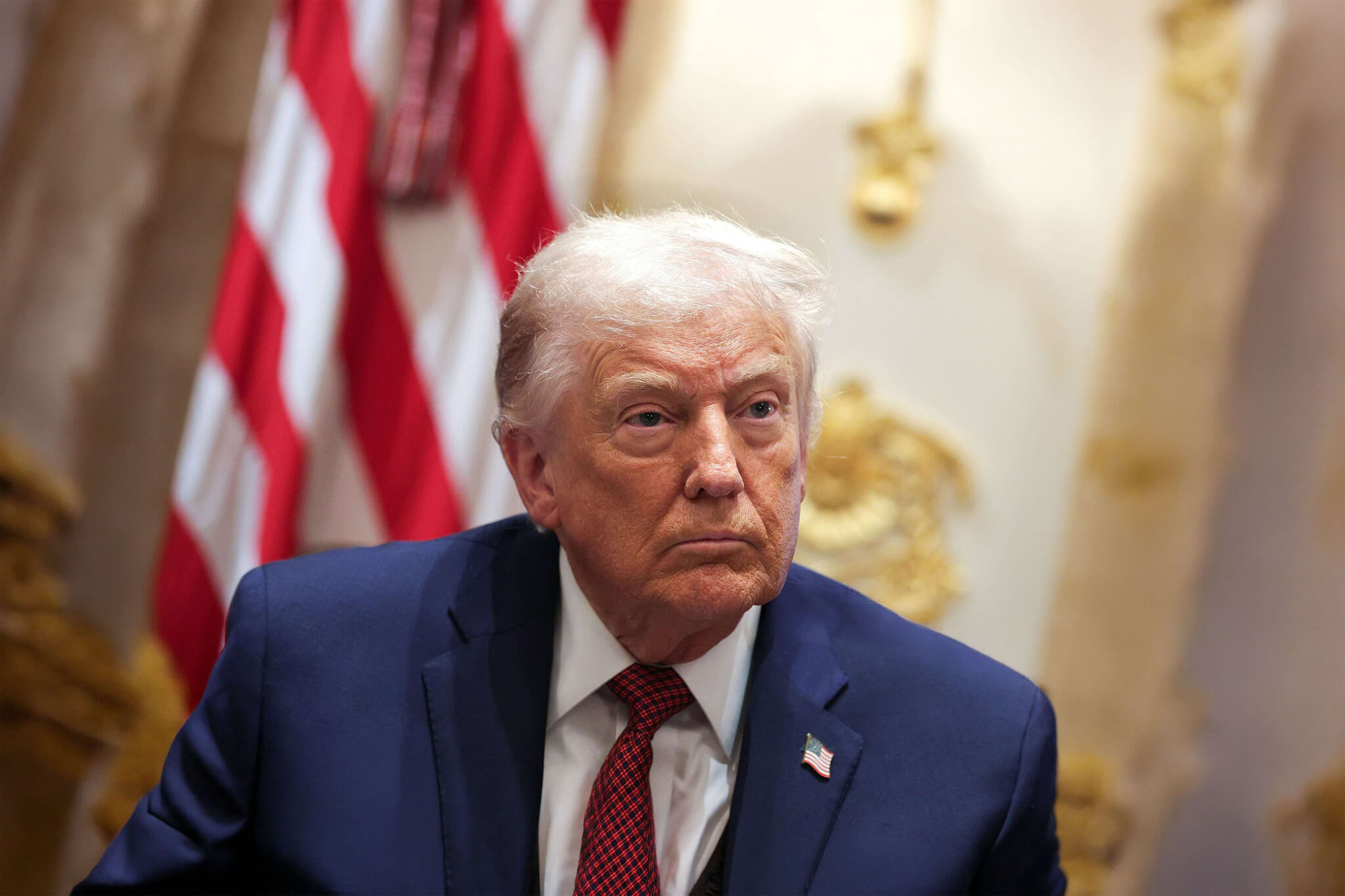
Trump rejected Iran’s response to the peace proposal, calling it “TOTALLY UNACCEPTABLE” in a post on Truth Social. Iran, via Pakistan, submitted a counter-proposal based on a three-phase plan which requires the US — before any talks on nuclear weapons even begin — to end the naval blockade, restore Iranian oil exports, lifting sanctions, unfreezing assets, recognising Iran’s sovereignty over the Strait of Hormuz, and treating the ceasefire in Lebanon as a red line that must not be crossed. Washington takes the opposite stance: nuclear concessions first, everything else later.
-
Iran dismissed Trump’s reaction as completely irrelevant. A source quoted by the state-affiliated media outlet Tasnim stated that Trump’s dissatisfaction was “naturally better” — suggesting that Tehran has no intention of softening its demands in the face of public pressure. Iranian state media also emphasised the country’s claim to sovereignty over the Strait of Hormuz. The threat of a complete breakdown in talks has increased significantly.
-
Israel and the US are stepping up their rhetoric regarding Iran’s nuclear infrastructure. Prime Minister Netanyahu has confirmed that the elimination of Iran’s nuclear material remains an active military priority, whilst unconfirmed reports suggest that Trump personally informed Netanyahu of his intention to strike Iranian nuclear facilities. None of these claims has been independently verified, but their circulation reinforces the narrative of an escalating conflict.
🏛️ The global economy
-
China’s April inflation figures significantly exceeded forecasts, bringing an end to 41 months of deflation. The PPI rose by 2.8% y/y — the highest since July 2022 and well above the consensus forecast of 1.6% — whilst the CPI stood at 1.2% y/y against an expected 0.9%. The driving force is energy costs triggered by the war in Iran: prices of oil, gas and non-ferrous metals are hitting record highs on Chinese wholesale markets.
-
Cost-push inflation in China is bad news for the PBOC and global supply chains. The purchase price index rose by 3.5%, creating the widest gap with selling prices since August 2024 — manufacturers’ margins are being squeezed. This is cost-push inflation, not demand-driven inflation, which significantly narrows the scope for aggressive monetary easing by the PBOC, on which investors had been counting. At the same time, it raises the global risk of stagflation, given that China is the world’s largest factory.
-
PIMCO believes that the oil shock linked to Iran has ruled out Fed rate cuts, and rate hikes are back on the table. Higher oil prices are fuelling inflation in the US, which is reinforcing restrictive monetary policy. This is an important context for global asset valuations as a whole this week.
-
Key US macroeconomic data this week: CPI inflation and retail sales, plus the Trump–Xi summit in Beijing. Beijing has confirmed Trump’s visit to China on 13–15 May at the invitation of Xi Jinping. The meeting takes on added significance given the central role of the Iran conflict in global energy risks.
⛽ Raw materials — oil and gas
-
Oil prices opened the week significantly higher in response to the US–Iran diplomatic deadlock. WTI is up by over 5%. Saudi Arabia (Aramco) has warned that even if the Strait of Hormuz were to open immediately, it would take months for markets to return to normal — the risk premium is therefore structural, not temporary.
-
The UK and France are convening a meeting of defence ministers from 40 countries on Tuesday to discuss the restoration of shipping through the Strait of Hormuz. France has deployed the nuclear-powered aircraft carrier Charles de Gaulle, whilst the UK has sent the destroyer HMS Dragon. Iran has warned that any foreign warship will face an “immediate and decisive response”. Macron stressed that France had never planned an operation inside the strait and that the mission would be coordinated with Iran — raising questions about the actual scope and effectiveness of the planned mission.
🌏Asian markets
-
The Asian session ended with mixed results. The Nikkei 225 rose by around +0.9%; the ASX 200 (-0.8%) came under pressure from global risks.
-
The KOSPI is the star of the Asian session — up by over +4–5%, hitting new all-time highs. The driving force is the technology sector (semiconductors: Samsung, SK Hynix). The Korea Exchange triggered a sidecar (a 5-minute halt to algorithmic trading) following a 5% rise in KOSPI 200 futures contracts. EPS consensus revisions for 2026 have reached +265% YTD for the market as a whole and +42% excluding Samsung and SK Hynix.
💱 Currencies (Forex)
-
The USD strengthened at the start of the week, buoyed by higher oil prices and increased risk aversion following Trump’s rejection of Iran’s proposal. The USDIDX (DXY) is up by around +0.25%, whilst USDJPY is approaching 157. Among the riskier currencies, there is a clear red opening: INR (-0.8%), THB (-0.8%), HUF (-0.8%), ILS (-0.5%).
-
The CNY (yuan) stood out positively against other emerging markets. The yuan gained as much as 0.2% against the dollar, buoyed by stronger-than-expected trade and inflation data from China (exports up 14.1% in April). However, the PBOC set the USD/CNY fixing at 6.8467 against market estimates of 6.7988 — slightly weaker than expected, signalling cautious exchange rate management by the central bank. The CHF was the strongest of the G10 currencies, gaining around +1.6% against the SEK.
🏢 Companies
-
Apollo Global Management is considering selling a $3bn credit fund (according to the WSJ) under pressure from rising defaults and redemption requests. This is an early sign of strain in private credit — a segment that grew significantly after 2022 and which is sensitive to a higher interest rate environment and deteriorating credit quality in stagflationary conditions.
-
Chinese car sales have fallen for the seventh month in a row, but EV exports are surging. High fuel costs triggered by the Iran shock are hurting domestic demand for traditional cars, whilst driving global exports of Chinese electric vehicles — BYD and other brands are benefiting from a geopolitical shift in purchasing preferences.
📅 What to watch out for today
-
The main risk factor is the further development of US–Iran diplomatic relations — any sign of escalation (e.g. confirmation of military action against nuclear facilities) could send oil prices soaring and weaken equities. Tuesday will see a meeting of 40 defence ministers on the Strait of Hormuz — it is worth keeping an eye on the statements.
-
US CPI data and retail sales this week will shape the narrative surrounding the Fed; PIMCO is already signalling that rate cuts are off the table.
-
The Trump–Xi summit (13–15 May) — a potential game-changer for trade, sanctions and the situation in Iran; markets will be positioning themselves in advance.
-
European markets likely to open under pressure: higher energy prices, weaker global sentiment, geopolitical tensions — a negative backdrop for the DAX, CAC and Euro Stoxx 50 (EU50 futures -0.51%).



Daily Summary: Valuations Under Pressure, Capital Moves Away From Technology


US OPEN: Earnings misses and rising oil push indexes lower
Market Wrap: "Decent" results are not enough – tech stocks fall further; oil highest since May (22.10.2026)

US100 drops 1.8% 🚨
This content has been created by XTB S.A. This service is provided by XTB S.A., with its registered office in Warsaw, at Prosta 67, 00-838 Warsaw, Poland, entered in the register of entrepreneurs of the National Court Register (Krajowy Rejestr Sądowy) conducted by District Court for the Capital City of Warsaw, XII Commercial Division of the National Court Register under KRS number 0000217580, REGON number 015803782 and Tax Identification Number (NIP) 527-24-43-955, with the fully paid up share capital in the amount of PLN 5.869.181,75. XTB S.A. conducts brokerage activities on the basis of the license granted by Polish Securities and Exchange Commission on 8th November 2005 No. DDM-M-4021-57-1/2005 and is supervised by Polish Supervision Authority.