



Nvidia’s official confirmation that HBM4 memory from SK hynix, Samsung, and Micron has been certified for its upcoming Vera Rubin platform is far more than just good news for memory manufacturers. From a market perspective, the key takeaway is the signal sent by Nvidia itself. For the first time, the company has chosen to build the next generation of its AI accelerators around a fully diversified supplier base for one of its most critical components. In practice, this reduces the risk of supply shortages, increases production flexibility, and strengthens Nvidia’s negotiating position with suppliers.
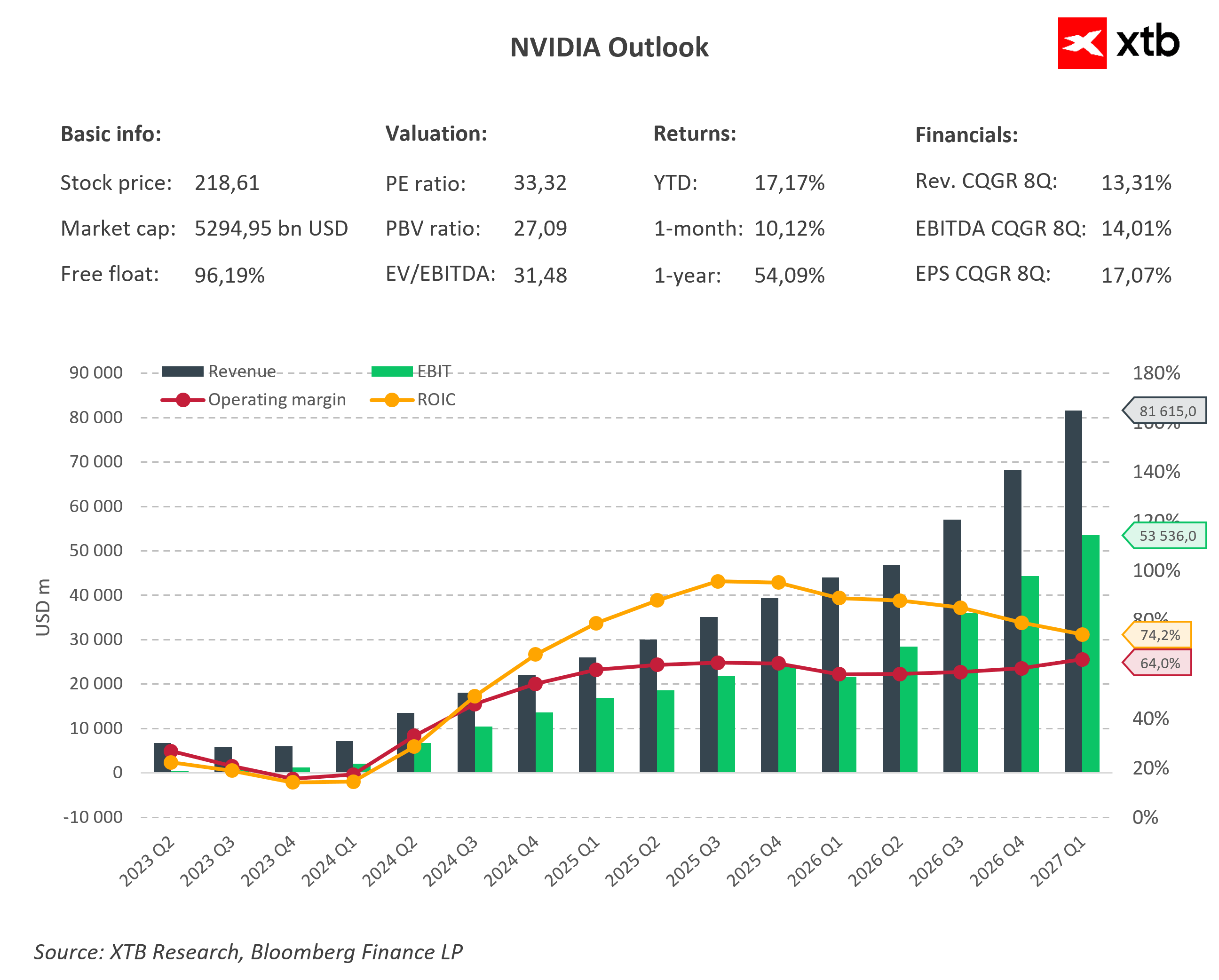
The decision also serves as an indirect confirmation of Nvidia’s exceptionally strong demand expectations for the Vera Rubin platform. Had the company anticipated only moderate deployment volumes, it could have relied on one or two suppliers. Instead, bringing the entire HBM "Big Three" into the program suggests that Nvidia is preparing its supply chain for the next wave of investment in AI infrastructure. This is particularly significant given that limited HBM availability has been one of the primary bottlenecks across the AI industry in recent years.
Another important element of the story is Micron’s return to the top tier of suppliers. Only a few months ago, speculation circulated that the company might struggle to meet Nvidia’s demanding HBM4 requirements. Securing certification places Micron on equal footing with its Korean rivals and reinforces competition in what has become one of the semiconductor industry's most strategic segments. Samsung’s success is equally noteworthy. After facing challenges with the previous generation of HBM products, the company has regained its position as a credible supplier for the world’s most advanced AI systems.
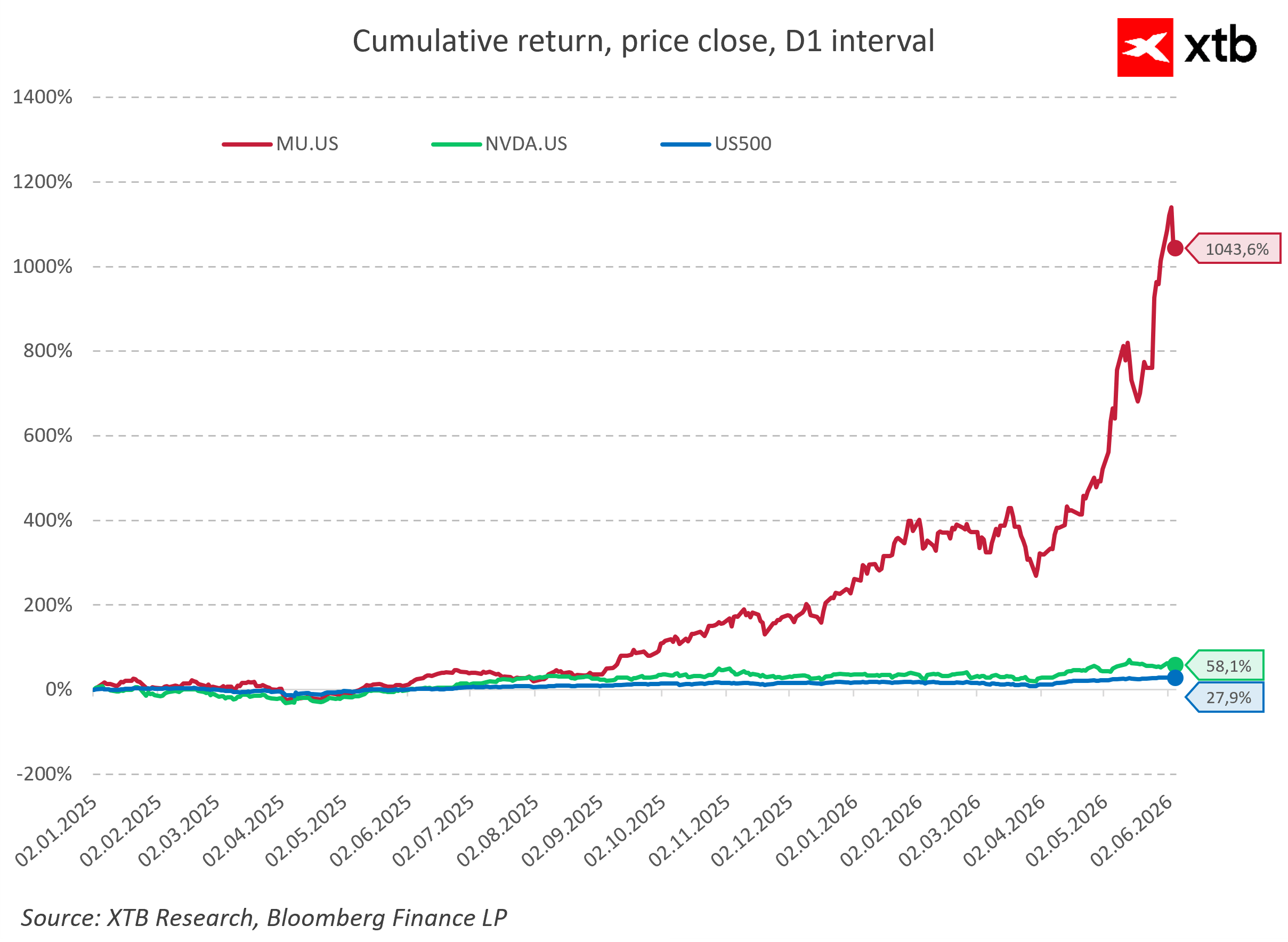
While industry experts continue to expect SK hynix to remain the largest beneficiary and maintain its dominant share of HBM4 shipments, the most important conclusion from Nvidia’s announcement lies elsewhere. The company is building production capacity for years of continued AI-driven growth and wants to ensure that the availability of critical components will not become a limiting factor. As a result, the qualification of all three HBM4 suppliers can be viewed as further evidence that the AI investment boom is not only continuing but entering its next phase of scaling, one that increasingly benefits the broader semiconductor ecosystem rather than a handful of individual winners.

US Open: Nasdaq 100 extends losses 🚩 AI stocks under pressure, CoreWeave falls 8%



Market Wrap: Tech Sell-Off Hits Europe, Gold Shines Again


TSMC breaks records once again driven by the AI boom


🚨Morning Wrap: A weaker dollar, strong gold, and a tech sector in free fall—what’s driving the market❓