

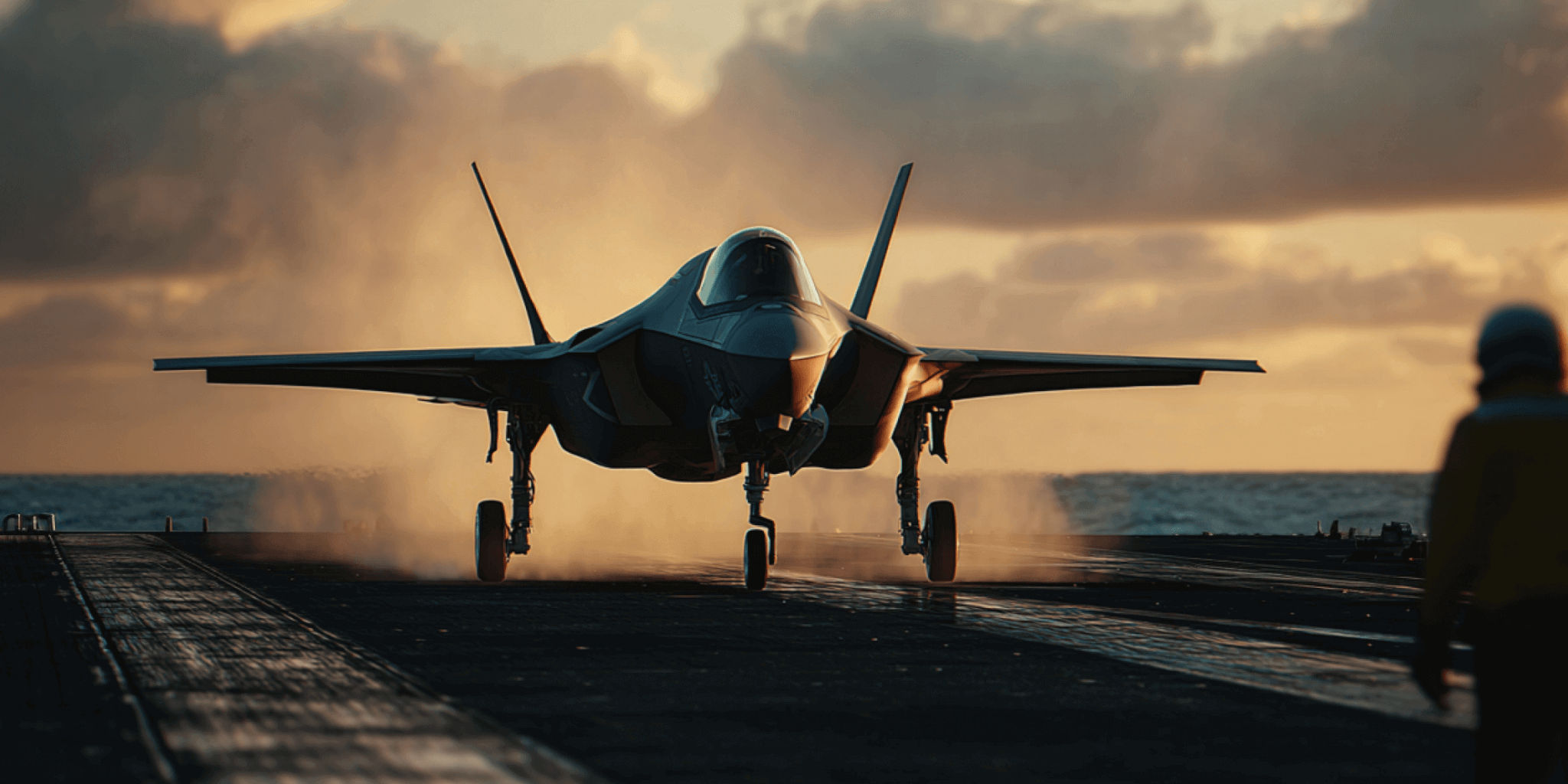

The new week on the markets opens amid coordinated attacks by the US and Israel on Iran and Tehran's widespread missile retaliation targeting sites in Iran, Israel, US bases in allied countries, as well as in the UAE, Qatar, Bahrain, Kuwait and Lebanon, with incidents reaching as far as Cyprus, Jordan and Pakistan, among others. The most dangerous element of this crisis remains the situation in the Strait of Hormuz, which accounts for about 1/5 of global oil trade and the transport of about 20 million barrels per day, and is currently largely impassable due to the risk of tanker attacks. It is precisely concerns about the sustainability of supplies from the Persian Gulf that are driving today's jump in Brent and WTI oil prices by about 7.2%, pushing Brent to around USD 79 per barrel. The market is increasingly considering a scenario in which, with an actual blockade of Hormuz and attacks on tankers, oil prices could test the USD 100 barrier in a relatively short time.
However, a certain limitation to further increases in oil prices is the decision of OPEC+, which at an extraordinary weekend meeting agreed to increase production in April by 206,000 barrels per day – significantly above the previous target of around 136,000 barrels – in an attempt to signal to the market its readiness to mitigate the supply shock. In practice, with ongoing attacks on targets in the UAE and throughout the region, the physical availability of the commodity and the security of maritime supply routes are more important today than any declarations by the cartel. Gold, which plays the classic role of a "final insurance policy", is reacting just as strongly as oil, with prices gaining more than 2 per cent, and if the fighting continues for another 48 hours, it could open the way to USD 5,500 per ounce, with the risk of even higher levels if the escalation continues. Investors are also turning to silver, where, with the options market so heated, a move towards USD 100-120 per ounce cannot be ruled out, although at the same time there is a growing risk of a sharp correction in currently gaining instruments if the situation in the Middle East suddenly calms down. In the short term, it is precisely how long the exchange of fire will last and how long traffic in the Strait of Hormuz will be restricted that will determine how the oil, gold, sterling and stock markets will react to events in the region.
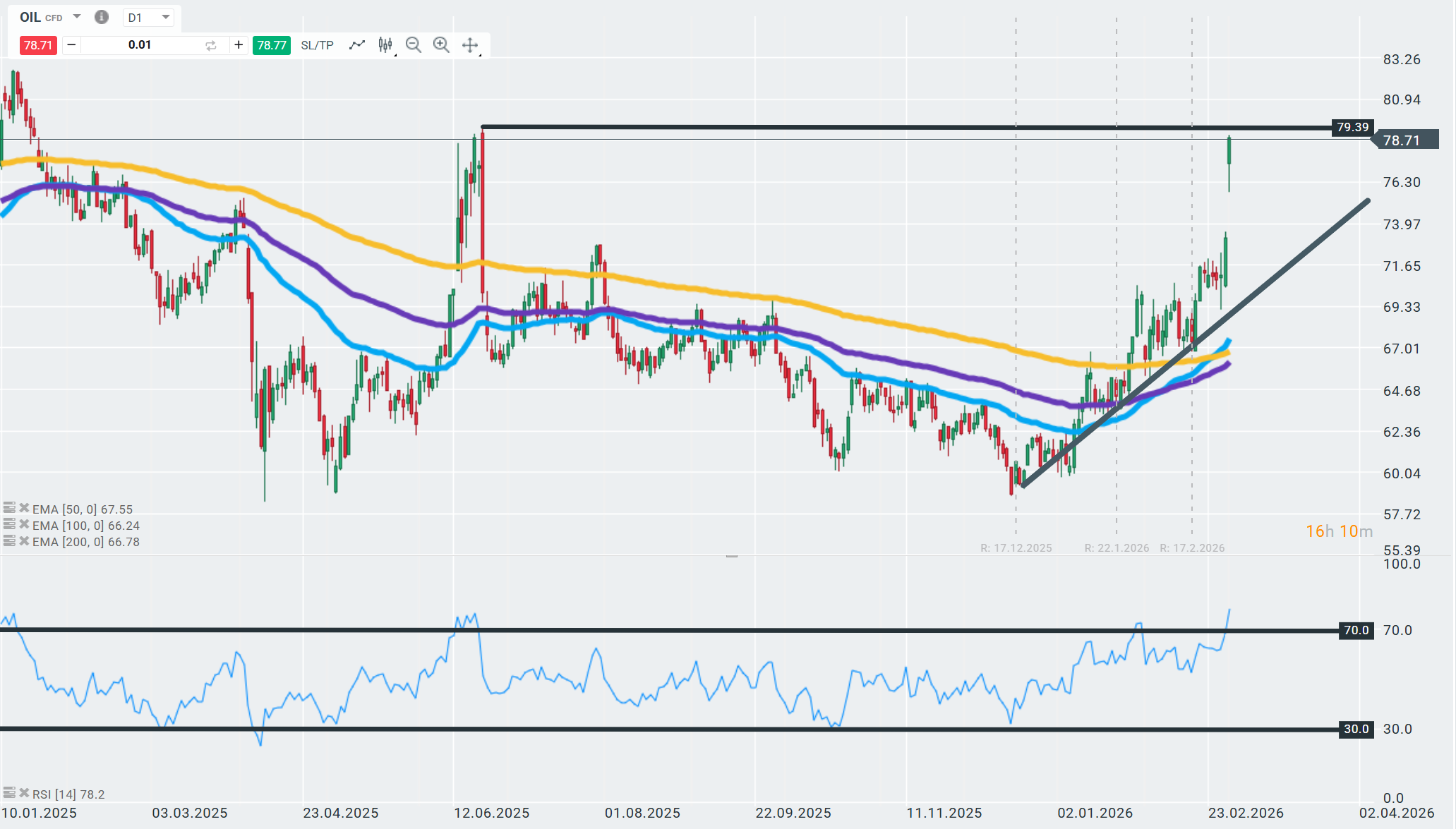
Brent crude oil (OIL) started trading with a significant upward gap, extending the current upward trend for the instrument. Interestingly, the RSI for the 14-day average is currently at its highest level since June 2025. Source: xStation
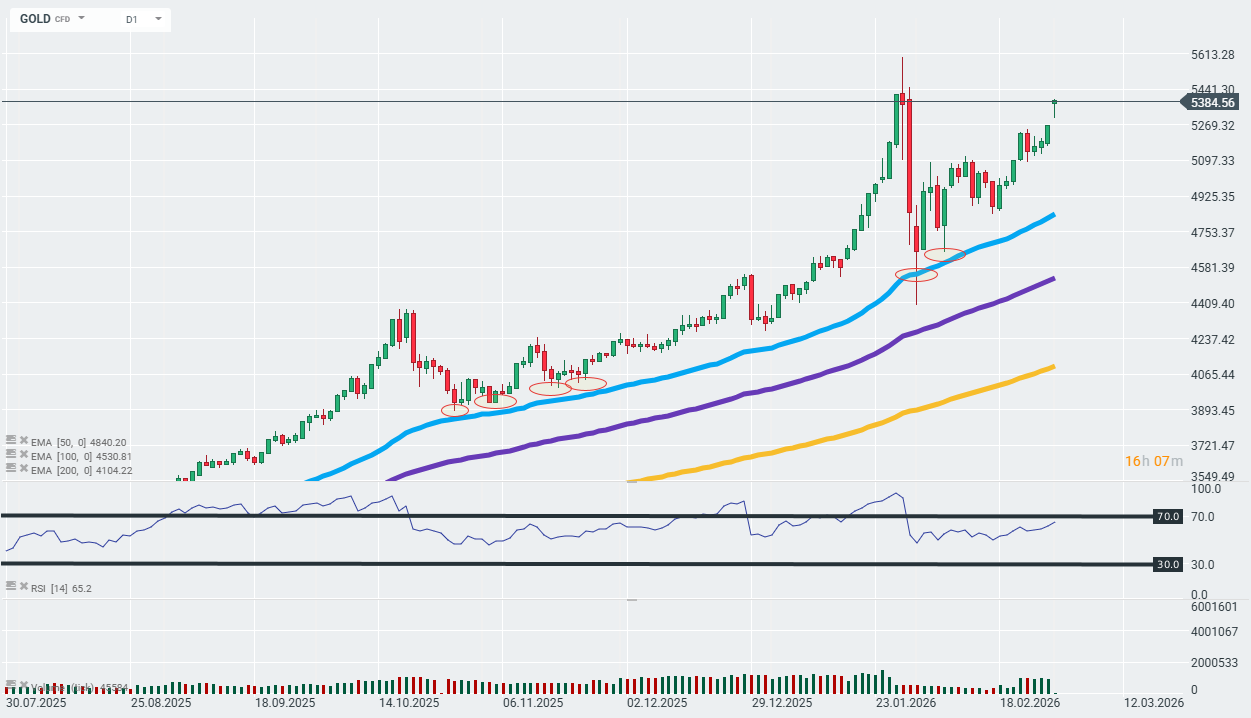
Gold (GOLD) also opened with a significant upward gap and is approaching its all-time highs. Source: xStation



Daily Summary: Friday offers no relief; the US100 drops 2%🚨


Three Markets to Watch Next Week (October 16, 2026)

Market wrap: European indices rebound 🔼 Defence stocks on the rise
🔼 EURUSD continues to rebound