GS.US

GS.US - Goldman Sachs – Investing Guide, Business Model & Segments

Goldman Sachs Group Inc
Create account
Past performance is not necessarily indicative of future results, and any person acting on this information does so entirely at their own risk.
Download free app
ABOUT INSTRUMENT

Invest in Goldman Sachs Group Inc with ZERO commission

Goldman Sachs is not just a bank — it’s a financial force of nature. Known for advising governments, handling IPOs, trading billions daily, and managing fortunes, Goldman is deeply woven into the fabric of the global economy. Whether it’s taking companies public or navigating market chaos, Goldman often leads the charge — with a sharp suit, sharp mind, and sharper math.

Key Takeaways

  • 🏦 Premier U.S.-based investment bank and financial services firm
     
  • 💼 Operates in investment banking, trading, asset & wealth management
     
  • 📈 Involved in IPOs, mergers, trading, and portfolio management
     
  • 🌐 Global presence with operations in 30+ countries
     
  • 🧠 Known for elite talent and financial innovation
     
  • 💰 Works with governments, institutions, corporations, and ultra-wealthy clients

Business Model

Goldman Sachs operates on a multi-engine model. It generates revenue through advisory fees (for M&A and IPOs), trading (market-making and proprietary trading), and investment management (fees from client portfolios). Its model leans on deep client relationships, capital markets intelligence, and strong risk management. While historically trading-heavy, Goldman has diversified into more fee-based, recurring income through asset and wealth management.

Business Segments

  • Investment Banking – Advisory services for IPOs, M&A, restructurings, and corporate finance.
     
  • Global Markets – Trading across equities, bonds, currencies, and derivatives.
     
  • Asset & Wealth Management – Managing investments for institutional and retail clients.
     
  • Platform Solutions – Financial technology and consumer-facing platforms (e.g., Marcus, Apple Card).
     
  • Alternative Investments – Exposure to private equity, credit, and real estate assets.

📈 Investing Characteristics

A financial heavyweight with sharp instincts and elite execution.

Goldman Sachs is often described as the “smart money” of Wall Street, and for good reason. With its roots in trading and deal-making, the firm represents a rare mix of financial firepower, market agility, and strategic depth. For investors, Goldman offers exposure to global capital markets through a firm known for high margins, intellectual edge, and adaptability.

💼 Cyclical Core, Strategic Diversification
Historically, Goldman Sachs relied heavily on trading and investment banking — highly cyclical but very profitable. However, in recent years, it has shifted toward more recurring revenue via asset and wealth management, reducing volatility and increasing stability.

📊 Deal-Maker and Market-Maker
Goldman remains a global leader in M&A advisory, IPO underwriting, and fixed income trading. Its relationships with governments, Fortune 500 firms, and hedge funds give it access to deal flow and proprietary market insights that few others can match.

🛠 Deep Capital Allocation Experience
From private equity to credit and infrastructure, Goldman has built robust alternative investment arms, giving the firm exposure to illiquid, long-duration capital — a differentiator among traditional banks.

📱 Consumer Pivot in Progress
Goldman’s entry into digital consumer banking via Marcus and its Apple Card partnership shows intent to build long-term, sticky income streams — although this pivot comes with learning curves and margin pressures.

🏛 Institutional Trust & Talent Pipeline
The firm’s reputation, global brand, and culture of recruiting elite talent form a long-term moat. Many see Goldman Sachs as Wall Street’s intellectual elite, consistently adapting to new cycles.

⚠️ Goldman Sachs – Major Catalysts & Risks

🚀 Major Catalysts

  • Capital Markets Recovery: A rebound in IPOs and M&A activity boosts Goldman’s core investment banking revenue.
     
  • Asset Management Expansion: Strong growth in AUM translates into higher recurring fees and stable earnings.
     
  • Technology-Driven Solutions: Expansion in digital consumer finance (Marcus, Apple Card) could open long-term growth avenues.
     
  • Global Trading Volatility: Market volatility tends to benefit Goldman’s trading desks, particularly in macroeconomic transitions.
     
  • Alternative Investments Boom: Growing appetite for private credit, infrastructure, and real assets enhances Goldman’s platform relevance.
     

⚠️ Major Risks

  • Revenue Volatility: Goldman is still partly tied to cyclical, event-driven revenue (e.g. trading, deal-making).

  • Consumer Division Profitability: The Marcus and Platform Solutions division has faced growing pains and losses, impacting overall margins.
     
  • Regulatory Risk: Increased scrutiny of large financial institutions, especially post-crisis reforms, may limit flexibility or add compliance costs.
     
  • Reputation Exposure: As a high-profile firm, Goldman is sensitive to legal, ethical, and headline risk, which can affect trust and fundraising.
     
  • Rising Rates & Market Uncertainty: Sharp moves in interest rates or credit markets can both create and destroy opportunity within Goldman’s balance sheet.

Short Company History & Major Milestones

  • 1869: Founded by Marcus Goldman in New York
     
  • 1930s: Survived the Great Depression and expanded investment banking
     
  • 1999: Went public after 130 years as a private partnership
     
  • 2008: Converted to a bank holding company during the global financial crisis
     
  • 2016–2020s: Expanded into consumer finance (Marcus, Apple Card)
     
  • Today: Remains one of the world’s top financial institutions

ISIN
-
0 USD
Trading days
-
10 USD
15:30 - 22:00

Interesting facts

💼 The IPO Kingmaker: Goldman Sachs has played a major role in bringing some of the world’s most influential companies to the public markets, helping lead landmark IPOs for companies such as Microsoft, Facebook, and Alibaba while cementing its reputation as a top global investment bank.

🎓 The Goldman Alumni Club: Many former Goldman Sachs employees have gone on to lead influential global institutions, including central banks, hedge funds, major corporations, and government agencies such as the U.S. Treasury, highlighting the firm’s powerful network and influence across finance and policy.

📊 The Trading Floor Machine: Goldman Sachs’ trading operations were once the engine of the firm, generating more than 60% of revenue at their peak and building its reputation as one of Wall Street’s most powerful and sophisticated market-making institutions.

📱 Consumer Banking Pivot: Goldman Sachs entered the retail banking world with its digital bank Marcus and the Apple Card, marking a major shift beyond its traditional Wall Street focus and bringing its financial expertise directly to everyday consumers.

🌍 Crisis Navigator: During major global financial crises, Goldman Sachs has often taken on a key advisory and market role — helping clients navigate uncertainty, supporting transactions, providing liquidity, and acting as a critical player in maintaining financial stability.

🛡️ Risk Culture Obsession: Goldman Sachs is known for its rigorous approach to risk management, with sophisticated internal controls, analytics, and monitoring systems designed to identify potential threats and protect the firm through changing market conditions.

TOP INSTRUMENTS

Check out more instruments

All stocks
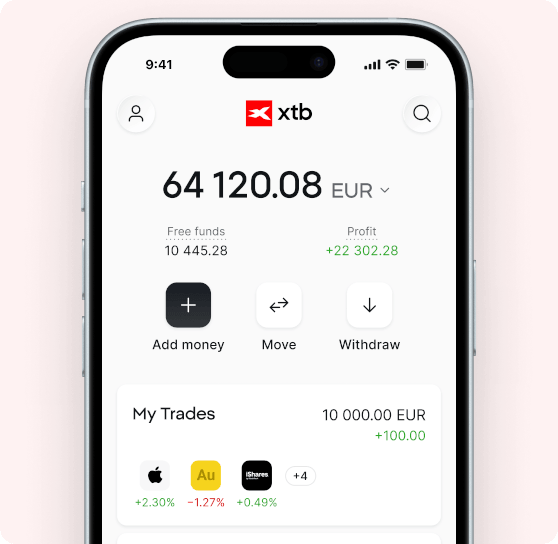
Have all your trades always at hand

With award-winning and easy to use XTB trading app

Latest news

Keep your finger on the pulse with our latest news

Goldman Sachs Wins, Citigroup Loses:...
14 July 2026
Daily Summary: EUR/USD tries to rever...
14 August 2026
⬇️Three Markets to Watch Next Week (Au...
14 August 2026
See more news
GET ACCESS

How to invest in Goldman Sachs Group Inc at XTB?

1. Open an account

Complete the form and send relevant documents - all without unnecessary formalities.

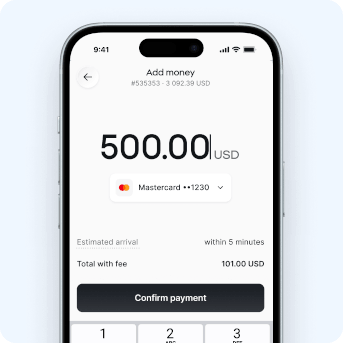
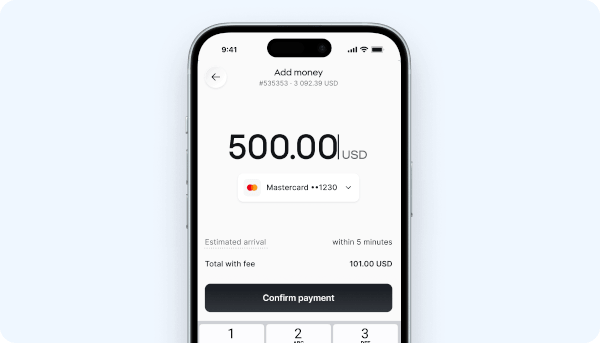
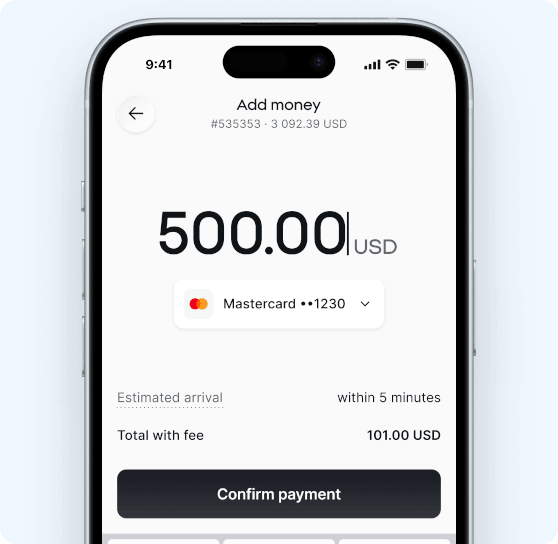
2. Make a deposit

Choose a deposit method convenient for you from a range of available ones, including instant and free payments.

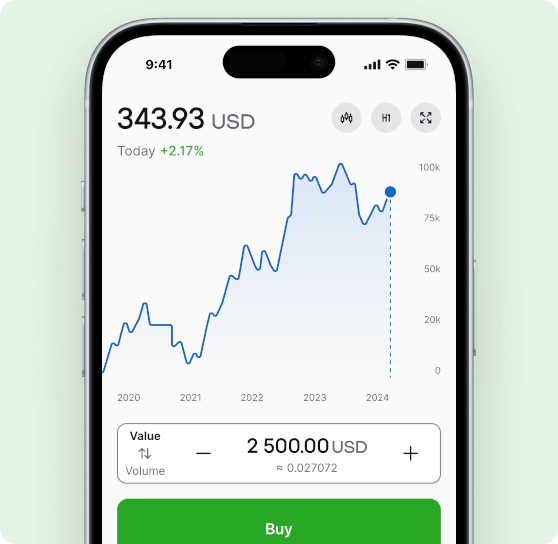
3. Start trading

Choose from 11900+ instruments.

1. Download the app

Visit your mobile store and download our app completely for free

2. Open an account

Complete the form and send relevant documents - all without unnecessary formalities.

3. Make a deposit and start trading

Choose a deposit method convenient for you from a range of available ones, including instant and free payments.

WHY XTB

Why trade at XTB?

Innovative Platform

We are constantly working on the development of our proprietary and award-winning trading platform to make sure it suits all your needs. Available in both desktop and mobile versions.

Regulation

We are part of the group that is one of the largest stock echange-listed brokers in the world, regulated by several reputable supervisory authorities. It is also worth noting that XTB clients’ funds are being kept in segregated accounts, which means that they are separated from the company’s funds.

Multilingual and highly qualified Customer Support

Our support team is ready to help you 24 hours a day, from Monday to Friday.

TOP INSTRUMENTS

Check out more instruments

All stocks
Education

Explore extensive Knowledge base

REIT ETF & Stock - How to Invest in Property
Betting Against the Market - How to Make Money in Falling Markets?
Best Companies to Invest In & Stocks to Buy – How to Choose?
FAQ

Do you have any questions?

 Goldman Sachs offers financial services ranging from investment banking and securities trading to asset and wealth management. It works with governments, corporations, and high-net-worth individuals.


 Not in the traditional sense. While it has banking licenses, its main business is in investment banking, trading, and asset management, not consumer lending.


It’s widely known for high-profile IPOs, M&A advisory, powerful trading operations, and elite financial talent.


 Marcus is Goldman’s online banking platform, offering savings accounts, personal loans, and other consumer products. It's part of the firm’s diversification into retail finance.


Yes — particularly in trading and alternative investments. However, it's also known for rigorous risk management practices and scenario testing.


 Large corporations, governments, central banks, private equity funds, and wealthy individuals.


It’s Goldman’s tech-focused division, housing partnerships like Apple Card, installment lending services, and embedded financial products.


 Yes. With offices in over 30 countries, Goldman serves clients worldwide across nearly every sector and asset class.


 Goldman is more focused on markets and institutional finance, while JPMorgan has a broader consumer banking footprint.


Through advisory fees, trading profits, management fees, and investment returns on its own capital.


A stock is a type of security that represents ownership in a company. It represents a claim on part of the company's assets and earnings.

By owning stocks, you can potentially benefit from the growth and success of the company. There are several ways that stocks can make you money: dividend payments (some stocks pay dividends, which are payments made to shareholders out of the company's profits) or capital appreciation (when the price of a stock you own increases, you can sell the stock for a profit).

There are three main types of stocks: common stock (gives its owner voting rights at shareholder meetings and entitles to a portion of the company's profits through dividends), preferred stock (pays dividends at a fixed rate and has a higher claim on assets and earnings than common stock; does not typically come with voting rights), and warrants (type of security that gives the holder the right, but not the obligation, to buy or sell a specific number of shares of stock at a predetermined price within a certain time frame).

It is not possible to determine a "good" first stock to buy, as what constitutes a good stock can vary depending on an individual's financial goals and risk tolerance. It is important for individuals to thoroughly research any potential investment and consider their own financial situation before making a purchase.
The financial instruments we offer, especially CFDs, can be highly risky. Fractional Shares (FS) is an acquired from XTB fiduciary right to fractional parts of stocks and ETFs. FS are not a separate financial instrument. The limited corporate rights are associated with FS.
This page was not created for investors residing in Brazil. This brokerage is not authorized by the Comissão de Valores Mobiliários (CVM) or the Brazilian Central Bank (BCB). The content of this page should not be characterized as an investment offer in Brazil or for investors residing in that country.
Losses can exceed deposits