HD.US

HD.US - Home Depot – Investing Guide, Business Model & Segments

Home Depot Inc
Create account
Past performance is not necessarily indicative of future results, and any person acting on this information does so entirely at their own risk.
Download free app
ABOUT INSTRUMENT

Invest in Home Depot Inc with ZERO commission

Home Depot is more than just orange aprons and towering shelves of hardware. It’s a US giant in home improvement retail, offering a one-stop shop for both weekend hobbyists and professional contractors. Whether it's a hammer, a bathroom remodel, or advice on fixing a leaking faucet, Home Depot has turned the art of building into a full-scale business science.

Key Takeaways

  • World’s largest home improvement retailer by revenue.

  • Sells tools, building materials, appliances, and services.
     
  • Huge focus on DIY (Do-It-Yourself) and Pro (Professional) customers.
     
  • Omnichannel model: strong mix of online and physical stores.
     
  • Market cycles influence demand (housing market impacts sales).
     
  • Expansion into services like installation and tool rental boosts revenue diversity.

Business Model

Home Depot operates on a simple but powerful idea: make home improvement easier. It stocks an enormous range of products — from nails to kitchen cabinets — and partners with major brands. Revenue streams come from in-store and online sales, professional contractor orders, installation services, rentals, and even financial services (like credit cards).

A key strength is customer segmentation: appealing to both DIY customers looking to save money and professionals seeking convenience and bulk pricing. The company constantly improves efficiency with a tight supply chain, data-driven inventory management, and localized offerings depending on regional needs.

Business Segments

  • DIY Customers: Homeowners and casual buyers working on personal projects.
     
  • Professional Customers (Pro Business): Contractors, remodelers, and tradespeople who buy in larger volumes.
     
  • Installation Services: Home Depot offers installation for items like flooring, roofing, and kitchens.
     
  • Tool and Equipment Rental: A growing division allowing customers to rent rather than buy expensive tools.
     
  • E-commerce: Online orders with options for in-store pickup, curbside delivery, or direct shipping.

Investing Characteristics

Home Depot stands as a classic example of a defensive growth stock. Its business benefits from long-term housing market trends — people always need to repair, renovate, or upgrade their homes. Even when the economy slows, homeowners often invest in DIY projects rather than moving, helping Home Depot’s sales stay relatively resilient.

The company also enjoys strong brand loyalty and a massive scale advantage, keeping prices competitive and margins stable. Home Depot's strong free cash flow generation supports consistent dividend growth and share buybacks. It’s less flashy than tech stocks but remains a reliable anchor in many investors’ portfolios, especially in sectors like consumer goods and housing supply chains.

However, it’s important to remember that Home Depot can be somewhat cyclical. Housing market slumps, rising mortgage rates, or deep recessions can slow consumer spending on big-ticket items like renovations.

Major Catalysts & Risks

Catalysts

  • Housing Market Growth: A healthy housing sector often translates directly into higher Home Depot sales.
     
  • Aging Housing Stock: Many U.S. homes are over 40 years old, requiring ongoing maintenance and renovations.
     
  • E-commerce Expansion: Investments in online ordering and curbside pickup keep Home Depot competitive with Amazon and others.
     
  • Pro Customer Focus: Growing business with contractors and builders boosts higher-margin sales.

Risks

  • Interest Rates: Rising mortgage rates could cool the housing market, dampening demand for home improvement.
     
  • Economic Downturns: In recessions, consumers often cut back on non-essential home projects.
     
  • Competition: Lowe’s and local hardware stores constantly fight for market share, especially online.
     
  • Supply Chain Challenges: Shortages of lumber, appliances, or labor can impact inventory and customer satisfaction.


Short Company History & Major Milestones

Home Depot was born in 1978 when Bernie Marcus and Arthur Blank opened two stores in Atlanta, Georgia. Their vision was to create warehouse-sized stores with a variety of products at competitive prices, backed by knowledgeable staff. By the mid-1980s, Home Depot had expanded nationwide and by 2000, it had become the largest home improvement retailer in the U.S. Strategic investments in technology, Pro services, and omnichannel shopping have kept it strong even in digital times.


 

ISIN
-
0 USD
Trading days
-
10 USD
15:30 - 22:00

Interesting facts

Orange Blooded: Home Depot’s iconic orange branding was inspired by the bright, affordable materials available from surplus stock, including fabric similar to old circus tents, helping create a bold visual identity that became instantly recognizable worldwide.

Billion-Dollar Aisles: A single Home Depot store can stock up to 35,000 different products at any time, offering everything from construction materials and tools to appliances and home improvement supplies — making each location a one-stop destination for professionals and DIY customers alike.

Founders' Dream: Home Depot was founded in 1978 by two former executives who turned a setback into an opportunity with a simple vision — create massive stores, offer lower prices, and provide exceptional customer service that would revolutionize the home improvement industry.

Massive Footprint: Home Depot operates more than 2,300 stores across North America, with a growing presence in Mexico, creating one of the largest home improvement retail networks in the world and bringing tools, materials, and services closer to millions of customers.

First Mover Online: Home Depot was among the earliest major big-box retailers to make a significant investment in e-commerce, building a strong digital platform that complemented its physical stores and gave it a competitive advantage in the rapidly evolving retail landscape.

Hurricane Ready: Before major storms and natural disasters, Home Depot activates specialized “war rooms” to coordinate inventory, logistics, and emergency shipments, ensuring critical supplies like generators, plywood, and recovery materials reach affected communities quickly.

TOP INSTRUMENTS

Check out more instruments

All stocks
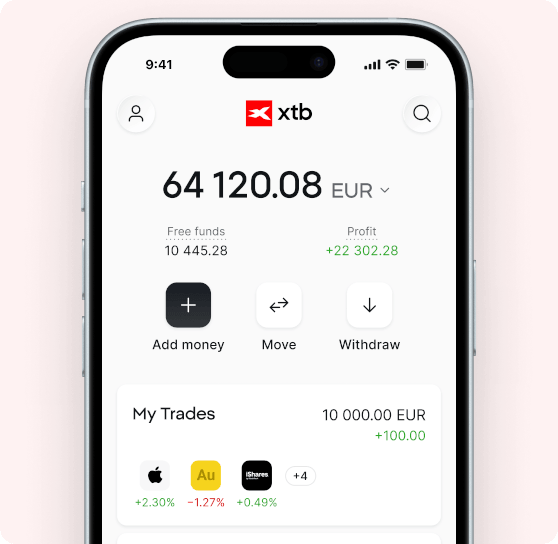
Have all your trades always at hand

With award-winning and easy to use XTB trading app

Latest news

Keep your finger on the pulse with our latest news

Do Home Depot's results reflect the s...
19 May 2026
Daily Summary: Markets limit the pull...
28 July 2026
France Challenges Palantir, Market Re...
28 July 2026
See more news
GET ACCESS

How to invest in Home Depot Inc at XTB?

1. Open an account

Complete the form and send relevant documents - all without unnecessary formalities.

2. Make a deposit

Choose a deposit method convenient for you from a range of available ones, including instant and free payments.

3. Start trading

Choose from 11800+ instruments.

1. Download the app

Visit your mobile store and download our app completely for free

2. Open an account

Complete the form and send relevant documents - all without unnecessary formalities.

3. Make a deposit and start trading

Choose a deposit method convenient for you from a range of available ones, including instant and free payments.

WHY XTB

Why trade at XTB?

Innovative Platform

We are constantly working on the development of our proprietary and award-winning trading platform to make sure it suits all your needs. Available in both desktop and mobile versions.

Regulation

We are part of the group that is one of the largest stock echange-listed brokers in the world, regulated by several reputable supervisory authorities. It is also worth noting that XTB clients’ funds are being kept in segregated accounts, which means that they are separated from the company’s funds.

Multilingual and highly qualified Customer Support

Our support team is ready to help you 24 hours a day, from Monday to Friday.

TOP INSTRUMENTS

Check out more instruments

All stocks
Education

Explore extensive Knowledge base

REIT ETF & Stock - How to Invest in Property
Betting Against the Market - How to Make Money in Falling Markets?
Best Companies to Invest In & Stocks to Buy – How to Choose?
FAQ

Do you have any questions?

 Home Depot sells tools, hardware, building materials, garden supplies, appliances, and home improvement services.


 Both do-it-yourself (DIY) homeowners and professional contractors.


 Through product sales, service installations, tool rentals, and financial products like branded credit cards.


 Home Depot operates mainly in the U.S., Canada, and Mexico, with limited international exposure compared to some peers.


 The housing market, consumer spending on home improvement, and construction activity.


 Very important; online sales make up a growing part of its total revenue thanks to flexible delivery and pickup options.


Yes — primarily from Lowe’s, Amazon (for online tools and materials), and local hardware stores

Special pricing, dedicated Pro desks in stores, credit facilities, and large-volume ordering help serve contractors.


 DIY spending often rises when consumers choose to fix homes themselves rather than move or hire professionals.


 Supply chain disruptions, rising interest rates (hurting home sales), labor shortages, and competition.


A stock is a type of security that represents ownership in a company. It represents a claim on part of the company's assets and earnings.

By owning stocks, you can potentially benefit from the growth and success of the company. There are several ways that stocks can make you money: dividend payments (some stocks pay dividends, which are payments made to shareholders out of the company's profits) or capital appreciation (when the price of a stock you own increases, you can sell the stock for a profit).

There are three main types of stocks: common stock (gives its owner voting rights at shareholder meetings and entitles to a portion of the company's profits through dividends), preferred stock (pays dividends at a fixed rate and has a higher claim on assets and earnings than common stock; does not typically come with voting rights), and warrants (type of security that gives the holder the right, but not the obligation, to buy or sell a specific number of shares of stock at a predetermined price within a certain time frame).

It is not possible to determine a "good" first stock to buy, as what constitutes a good stock can vary depending on an individual's financial goals and risk tolerance. It is important for individuals to thoroughly research any potential investment and consider their own financial situation before making a purchase.
The financial instruments we offer, especially CFDs, can be highly risky. Fractional Shares (FS) is an acquired from XTB fiduciary right to fractional parts of stocks and ETFs. FS are not a separate financial instrument. The limited corporate rights are associated with FS.
This page was not created for investors residing in Brazil. This brokerage is not authorized by the Comissão de Valores Mobiliários (CVM) or the Brazilian Central Bank (BCB). The content of this page should not be characterized as an investment offer in Brazil or for investors residing in that country.
Losses can exceed deposits