ULVR.UK

ULVR.UK - Unilever – Investing Guide, Business Model & Segments

Unilever PLC
Create account
Past performance is not necessarily indicative of future results, and any person acting on this information does so entirely at their own risk.
Download free app
ABOUT INSTRUMENT

Invest in Unilever PLC with ZERO commission

Imagine a company quietly filling your shopping basket each week—shampoos, ice cream, tea, cleaning products—without you even noticing. That's Unilever. A silent giant behind iconic brands like Dove, Knorr, Axe, and Ben & Jerry's, Unilever blends everyday convenience with responsible global citizenship, impacting billions daily with essential consumer goods.

Key Takeaways

  • 🌎 Global leader in consumer goods with powerhouse brands
     
  • ♻️ Committed to sustainable and ethical business practices
     
  • 🛒 Portfolio spans food, hygiene, beauty, and home care
     
  • 📈 Strong presence in both developed and emerging markets
     

Business Model

Unilever's business is straightforward: develop and market globally-loved consumer products. It carefully balances brand innovation, cost-effective manufacturing, and extensive global distribution networks. Think of it as a vast, finely-tuned machine churning out affordable essentials, reaching consumers through supermarkets, online platforms, and small local stores everywhere—keeping billions of customers consistently supplied.

Business Segments

  • Beauty & Personal Care: Personal hygiene and beauty essentials (Dove, Axe, Rexona).
     
  • Foods & Refreshment: Foods, beverages, and ice cream (Knorr, Lipton, Ben & Jerry’s).
     
  • Home Care: Cleaning products and household items (Omo, Domestos, Cif).

📌 Investing Characteristics

  • 🛒 Consumer Staple Strength: Unilever’s product lines—food, hygiene, and home care—are daily essentials, creating stable and predictable cash flows even during economic downturns.
     
  • 🌍 Global Diversification: Operating extensively across developed and emerging markets, Unilever mitigates regional economic risk by spreading revenues across diverse geographies.
     
  • ♻️ Sustainability Leadership: Proactive environmental and social responsibility initiatives appeal strongly to ESG investors, reinforcing brand loyalty and long-term business resilience.
     
  • 🔄 Robust Brand Portfolio: Iconic global brands like Dove, Knorr, and Ben & Jerry’s offer strong pricing power, helping Unilever sustain healthy profit margins despite inflationary pressures.
     
  • 💡 Innovation & Digitalization: Continued investments in digital marketing and product innovation enable Unilever to quickly adapt to evolving consumer preferences, ensuring competitive edge and market relevance.

🚨 Major Catalysts & Risks

Catalysts

  • 🛍️ Emerging Market Growth: Rising disposable incomes and expanding middle classes in emerging economies represent significant growth opportunities for Unilever’s product categories.
     
  • 🌿 Shift Towards Sustainable Products: Consumer preference for environmentally friendly products increasingly drives demand, benefiting Unilever’s extensive sustainable product portfolio.
     
  • 📱 E-commerce Expansion: Growing digital retail channels accelerate Unilever’s direct-to-consumer reach, enhancing margins and customer relationships.

Risks

  • ⚠️ Input Cost Volatility: Unilever’s profitability can face pressure from fluctuating raw material prices, particularly agricultural commodities and energy, affecting margins if cost increases can't be passed to consumers promptly.
     
  • 📉 Economic Slowdown Risks: Although relatively resilient, prolonged economic downturns or recessions can lead to lower consumer spending or shifts to cheaper alternatives, impacting revenues.
     
  • 🌍 Regulatory & Geopolitical Exposure: Operating globally exposes Unilever to regulatory shifts, political instability, and currency fluctuations, potentially creating operational complexity and revenue volatility.

Short company history & Major milestones 

  • 1930: Formed from the merger of Lever Brothers (UK) and Margarine Unie (Netherlands).
     
  • 1950s-1980s: Rapid global expansion, introducing new consumer brands.
     
  • 2000s: Sustainability becomes core strategy, pioneering responsible business.
     
  • 2021+: Continued digital transformation and eco-friendly initiatives globally.

ISIN
-
0 EUR*
Trading days
-
10 GBP
09:00 - 17:30

Interesting facts

Born from Soap: Unilever was formed in 1930 through the merger of a Dutch margarine company and a British soap maker, combining expertise in food and hygiene to build one of the world’s leading consumer goods companies.

Everyday Impact: More than 2.5 billion people worldwide use Unilever products every day, reflecting the company’s extensive global reach and its presence in millions of households across diverse markets.

Eco-Pioneers: Unilever aims to achieve net-zero emissions by 2039, leading sustainability efforts through cleaner operations, responsible sourcing, and innovative practices that help reduce its environmental impact.

Purposeful Brands: Dove’s influential “Real Beauty” campaign reshaped global perceptions of beauty, reflecting Unilever’s commitment to social awareness, inclusive marketing, and purpose-driven branding that resonates with consumers worldwide.

Tea Titans: Unilever is one of the world’s leading tea companies, best known for Lipton tea, serving billions of cups each year and bringing trusted tea brands to consumers around the globe.

Ice Cream Innovators: Through brands like Ben & Jerry’s, Unilever combines premium ice cream with a strong commitment to social responsibility, offering globally loved flavors while supporting purpose-driven initiatives and sustainable practices.

TOP INSTRUMENTS

Check out more instruments

All stocks
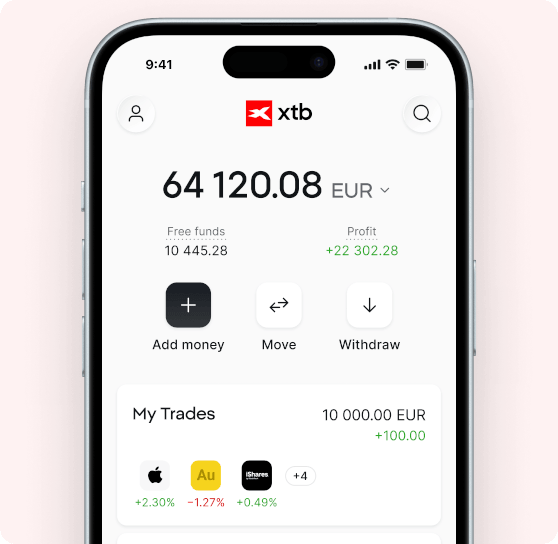
Have all your trades always at hand

With award-winning and easy to use XTB trading app

Latest news

Keep your finger on the pulse with our latest news

Cocoa loses 4% amid news from Ghana 🚩...
11 August 2026
Oil Pulls Back After Strong Gains 🚩 M...
11 August 2026
Intel Raises the Stakes: $20 Billion...
11 August 2026
See more news
GET ACCESS

How to invest in Unilever PLC at XTB?

1. Open an account

Complete the form and send relevant documents - all without unnecessary formalities.

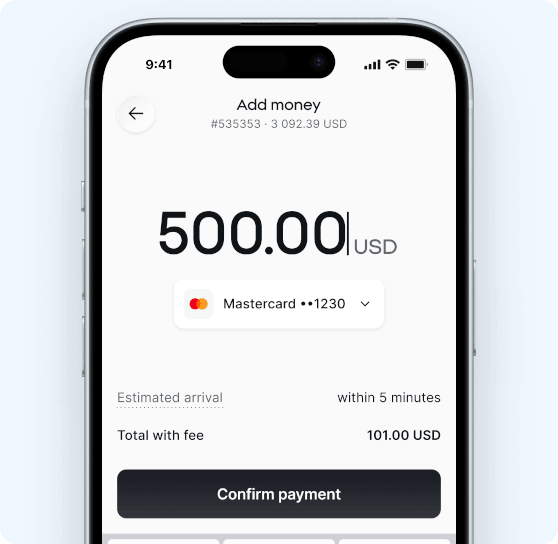
2. Make a deposit

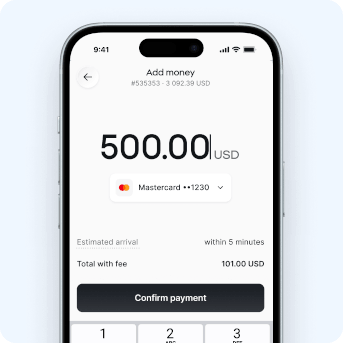
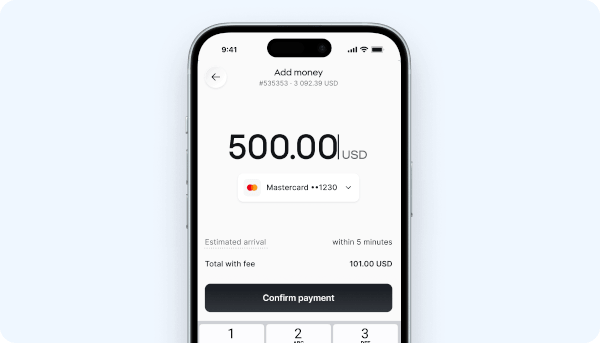
Choose a deposit method convenient for you from a range of available ones, including instant and free payments.

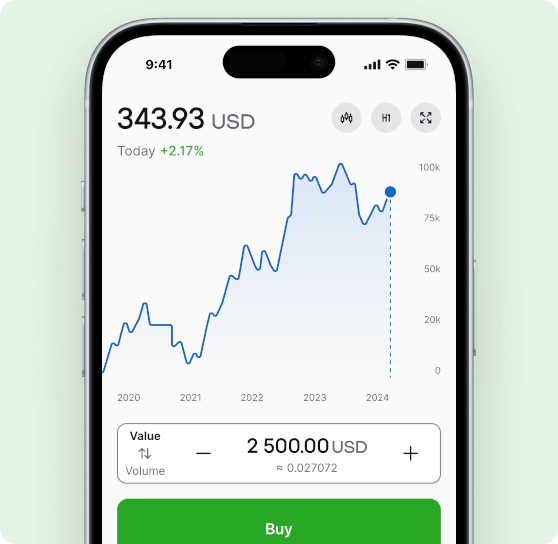
3. Start trading

Choose from 11800+ instruments.

1. Download the app

Visit your mobile store and download our app completely for free

2. Open an account

Complete the form and send relevant documents - all without unnecessary formalities.

3. Make a deposit and start trading

Choose a deposit method convenient for you from a range of available ones, including instant and free payments.

WHY XTB

Why trade at XTB?

Innovative Platform

We are constantly working on the development of our proprietary and award-winning trading platform to make sure it suits all your needs. Available in both desktop and mobile versions.

Regulation

We are part of the group that is one of the largest stock echange-listed brokers in the world, regulated by several reputable supervisory authorities. It is also worth noting that XTB clients’ funds are being kept in segregated accounts, which means that they are separated from the company’s funds.

Multilingual and highly qualified Customer Support

Our support team is ready to help you 24 hours a day, from Monday to Friday.

TOP INSTRUMENTS

Check out more instruments

All stocks
Education

Explore extensive Knowledge base

REIT ETF & Stock - How to Invest in Property
Betting Against the Market - How to Make Money in Falling Markets?
Best Companies to Invest In & Stocks to Buy – How to Choose?
FAQ

Do you have any questions?

Unilever stays profitable by carefully managing its diverse brand portfolio, regularly innovating products that resonate with consumer tastes and lifestyles. The company's global reach provides significant scale advantages, allowing efficient production and distribution. Additionally, strategic marketing, focused cost control, and targeted acquisitions keep Unilever competitive, profitable, and relevant even amidst stiff competition.


Sustainability isn’t just an ethical choice for Unilever—it’s smart business. Consumers increasingly prefer socially responsible products, driving sales growth. Sustainable practices reduce resource consumption and long-term costs, positioning Unilever as a trusted leader. Their visible commitment to climate goals and ethical sourcing also enhances brand loyalty and regulatory goodwill, securing sustainable, profitable future growth.


Unilever faces challenges such as rising input costs, currency fluctuations, intense global competition, and shifting consumer preferences. Regulatory changes and sustainability expectations also pose potential hurdles. However, their diversified portfolio, strong market positions, and proactive management of sustainability goals and consumer trends help mitigate risks and sustain stable growth, even in turbulent economic conditions.


A stock is a type of security that represents ownership in a company. It represents a claim on part of the company's assets and earnings.

By owning stocks, you can potentially benefit from the growth and success of the company. There are several ways that stocks can make you money: dividend payments (some stocks pay dividends, which are payments made to shareholders out of the company's profits) or capital appreciation (when the price of a stock you own increases, you can sell the stock for a profit).

There are three main types of stocks: common stock (gives its owner voting rights at shareholder meetings and entitles to a portion of the company's profits through dividends), preferred stock (pays dividends at a fixed rate and has a higher claim on assets and earnings than common stock; does not typically come with voting rights), and warrants (type of security that gives the holder the right, but not the obligation, to buy or sell a specific number of shares of stock at a predetermined price within a certain time frame).

It is not possible to determine a "good" first stock to buy, as what constitutes a good stock can vary depending on an individual's financial goals and risk tolerance. It is important for individuals to thoroughly research any potential investment and consider their own financial situation before making a purchase.
The financial instruments we offer, especially CFDs, can be highly risky. Fractional Shares (FS) is an acquired from XTB fiduciary right to fractional parts of stocks and ETFs. FS are not a separate financial instrument. The limited corporate rights are associated with FS.
This page was not created for investors residing in Brazil. This brokerage is not authorized by the Comissão de Valores Mobiliários (CVM) or the Brazilian Central Bank (BCB). The content of this page should not be characterized as an investment offer in Brazil or for investors residing in that country.
Losses can exceed deposits