

CORN

Trade CORN CFD

Past performance is not necessarily indicative of future results, and any person acting on this information does so entirely at their own risk.

Fees

Less costs, more investments

Competitive fees

Trade with leverage and keep costs low

Free deposits and withdrawals

Manage funds without costs using selected payment methods

Free account opening

Complete the process in 15 minutes without unnecessary formalities.

Learn

What is CFD trading?

New to CFDs? Learn how CFD trading works and how you can trade on both rising and falling prices without owning the underlying asset. We explain the basics, financial leverage, potential benefits and risks in simple terms.

Read the Beginner’s Guide

Create an account

Open your XTB account in just a few simple steps. Get access to global markets and a wide range of investment opportunities.

Make a deposit

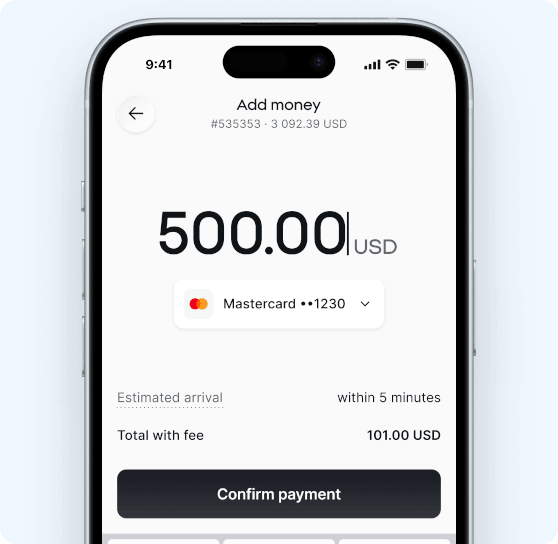
Add funds to your account using one of the available payment methods. Once your funds are available, you’re ready to start investing.

Trade CORN

Find CORN in XTB App, choose how much you want to invest and place your order. Start building your portfolio on your terms.

And make your money work in many ways

Explore more ways to put your money to work - from global stocks, ETFs and more. Discover Investment Plans while you wait for your next investment opportunity.

Popular in the markets

Most traded CFDs

Discover where CFD traders are most active. Explore some of the most traded CFDs across global markets and see which instruments are in focus.

News

Keep your finger on the pulse with our latest market news

We are regulated by leading financial regulatory authorities across multiple markets worldwide.

About instrument

Trade CORN CFD

Corn is a staple crop in agriculture that has been used for centuries. Today, with the increasing demand for corn, many investors are looking to get into the corn investing market. 

Companies that produce corn-based products like ethanol and animal feed can offer a stable return on investment. In addition, large agricultural companies also have substantial corn operations. These companies can be a great way to gain exposure to the corn market.

Corn investments come in different forms, including contracts for difference (CDFs) offered at XTB.

Investing in corn can be a smart move for those looking for long-term growth potential. With the increasing demand for corn for food, fuel, and other products, the corn market is expected to continue to grow. However, as with any investment, there are risks involved, including weather conditions that can affect crop yields and market fluctuations.


Standard Transaction Spread

0.36

Margin

1.50%

Leverage

67

Commission

-

Market hours

2:05 am - 2:45 pm
3:35 pm - 8:00 pm

Interesting Facts

What to know before investing in CORN

Corn: A Versatile Crop: Corn, also known as maize, is a cereal grain native to Central America. It has a fascinating history, being first domesticated by indigenous peoples in southern Mexico about 10,000 years ago. Since then, corn has spread globally and is now grown in diverse environments, from arid regions to subtropics.

Driving on Corn: Henry Ford's innovative Model T was designed to run on either gasoline or corn ethanol. This pioneering move showcased corn's potential as a renewable biofuel source even in the early 20th century.

Corn's Multifaceted Use: Corn has a remarkable range of applications. It serves as livestock feed, biofuel, raw material in industries, and even as a source of food for humans. Moreover, it plays a vital role in the production of biodegradable packing materials, contributing to sustainable packaging solutions.

Corn in Pharmaceuticals: Surprisingly, corn finds a place in the pharmaceutical industry. Some antibiotic medications are produced using corn as a biological medium for growing essential compounds.

Corn's Global Trade: The United States is a major corn producer, and its top buyers include Mexico, Colombia, Japan, and South Korea. These nations use corn in various ways, such as food ingredients and animal feed, highlighting corn's significant role in international trade.

Corn Dominates US Agriculture: Among all major crops grown in the United States, corn utilises the most acreage, reflecting its economic importance and agricultural prominence around the world.

Corn's Diverse Varieties: Corn comes in various types, including sweet corn, popcorn, flour corn, dent corn, flint corn, and pod corn. Each type has distinct characteristics and uses, contributing to its versatility.

Ancient Crop, Modern Impact: Despite being a staple grain with a long history, corn continues to evolve and remains highly relevant in modern times. Its importance in various industries and global trade makes it a significant player in the global economy.

Sustainable Agriculture: Corn's popularity and adaptability have driven research into sustainable cultivation practices. From reducing water usage to developing drought-resistant varieties, agricultural innovation aims to secure the crop's future amidst changing environmental challenges.

Cultural Significance: Corn has deep cultural significance for many societies. It has been a staple food for various indigenous cultures and plays a role in traditional ceremonies and rituals. Understanding corn's cultural importance adds a layer of richness to its historical significance.

FAQ

Do you have more questions?

Find answers to our most commonly asked questions. Still have a question? Please contact our customer support team.

Corn investment refers to investing in the production or trade of corn for financial gain. Corn is a widely traded commodity that is used in various industries, including food and beverage, animal feed, and fuel.


There are several ways to invest in corn. Investors can participate in the corn market by trading corn in a number of different ways, e.g. contracts for difference (CFDs)


Like all investments, corn investment carries some risks. The price of corn can be volatile, and factors such as weather conditions, crop diseases, and government policies can affect supply and demand, leading to price fluctuations. Additionally, investing may involve leverage, which can amplify losses as well as gains. Investors should be aware of these risks and conduct thorough research before investing in corn.


Investing in corn can provide diversification benefits for investors' portfolios, as the price of corn is not always correlated with the stock or bond markets. Additionally, the demand for corn is relatively stable due to its wide use in various industries, which can provide a steady stream of income for investors who hold corn investments long-term.


Several factors can affect the price of corn, including weather conditions, crop diseases, government policies, global demand for food and fuel, and the strength of the US dollar. For example, a drought or excessive rain can reduce crop yields, leading to higher corn prices. On the other hand, an increase in government subsidies or a decrease in demand for corn-based ethanol can lead to lower corn prices.


It is not possible to determine the "best" commodity to invest in, as the performance of different commodities can vary significantly depending on a wide range of factors. Some common commodities that are traded on the financial markets include oil, gold, and agricultural products.

It is possible for the individuals to speculate on the price of the commodities through e.g. commodity based instruments - such as CFDs and futures contracts or purchasing physical meterials.

It is not possible to determine a "top" commodity, as it depends on a wide range of factors, but top five commodities by global trade volume are: Oil, Natural Gas, Gold, Silver and Copper. However, the popularity of different commodities can vary depending on regional and global economic conditions.

The financial instruments we offer, especially CFDs, can be highly risky. Fractional Shares (FS) is an acquired from XTB fiduciary right to fractional parts of stocks and ETFs. FS are not a separate financial instrument. The limited corporate rights are associated with FS.
This page was not created for investors residing in Brazil. This brokerage is not authorized by the Comissão de Valores Mobiliários (CVM) or the Brazilian Central Bank (BCB). The content of this page should not be characterized as an investment offer in Brazil or for investors residing in that country.
Losses can exceed deposits