SPCX.US

SPCX.US - Cashstocks

Space Exploration Technologies Corp
Create account
Past performance or future forecasts does not constitute a reliable indicator of future performance.
Download free app
ABOUT INSTRUMENT

Invest in Space Exploration Technologies Corp with ZERO commission

SpaceX (SPCX) is a leading commercial aerospace and satellite communications company that generates revenue from rocket launches, Starlink internet services, government contracts, and spacecraft development. The company revolutionized the aerospace industry, dramatically reducing the cost of access to space. 

It plays a central role in the rapidly expanding global space economy, serving commercial customers, governments, and defense agencies worldwide. Following its June 2026 IPO, SpaceX is one of the largest publicly traded companies in the world and the most valuable aerospace businesses ever created. 

Why Is SpaceX Important?

SpaceX transformed the economics of spaceflight through reusable rockets and built Starlink, the world's largest satellite internet network. The company is a leader in commercial launches, spaceflight, defense-related space infrastructure, and next-generation transportation systems such as Starship.

🔎 SpaceX at a glance

  • Founded: 2002
  • Founder: Elon Musk
  • SpaceX stock ticker: SPCX
  • Headquarter: SpaceX Starbase, Texas
  • Key Businesses: Launch Services, Starlink, Human Spaceflight, Starship
  • Major Customers: NASA, U.S. government agencies, commercial satellite operators, enterprise clients, and Starlink subscribers

How SpaceX Makes Money

SpaceX generates revenue from:

  • Rocket launches
  • Starlink subscriptions
  • Government contracts
  • Human spaceflight missions
  • Spacecraft development services

Industry Position and Competition

SpaceX is widely regarded as one of the most influential companies in the commercial space industry.

Main Competitors

Launch Services:

  • Blue Origin
  • United Launch Alliance (ULA)
  • Rocket Lab
  • Arianespace
  • China Aerospace Science and Technology Corporation (CASC)

Satellite Communications:

  • OneWeb (Eutelsat Group)
  • Amazon Project Kuiper
  • Viasat
  • SES

Defense and Aerospace:

  • Lockheed Martin
  • Boeing
  • Northrop Grumman
  • RTX

Key Strengths

Reusable launch systems, high launch cadence, strong brand recognition, vertical integration, large satellite constellation and government relationships.

Major Challenges

Maintaining technological leadership, managing large capital expenditures, increasing competition in satellite broadband, regulatory complexity, execution risks associated with Starship.




ISIN
-
-
Trading days
-
1
-

Interesting facts

The Biggest IPO Ever: SpaceX's June 2026 IPO was the largest stock market debut in history the company raised $75 billion at $1.75 trillion market cap under the SPCX ticker on Nasdaq.

More Launches Than NASA: SpaceX regularly performs more orbital launches in a month than NASA typically conducts in a year.


Reusable Rocket Pioneer: Falcon 9 became the first orbital rocket routinely reused for commercial missions.

Starlink's Massive Network: SpaceX operates the world's largest satellite constellation, with thousands of active satellites.


NASA's Private Astronaut Taxi: SpaceX became the first private company to transport astronauts to the ISS on a regular basis.

Mars Is Part of the Mission: The company's long-term objective remains developing technology for human settlement beyond Earth.


TOP INSTRUMENTS

Check out more instruments

All stocks
Have all your investments always at hand

With award-winning and easy to use XTB investing app

Latest news

Keep your finger on the pulse with our latest news

⬇️The US100 dips 2.6%
23 June 2026
Not Models, but Compute Power: SpaceX...
22 June 2026
SpaceX shares under debt pressure
22 June 2026
See more news
GET ACCESS

How to invest in Space Exploration Technologies Corp stocks at XTB?

1. Open an account

Complete the form and send relevant documents - all without unnecessary formalities. The opening of an account depends on an appropriateness assessment, verified by a test.

2. Make a deposit

Choose a deposit method convenient for you from a range of available ones, including instant and free payments.

3. Start investing

Wybieraj spośród 11600+ instrumentów.

1. Download the app

Visit your mobile store and download our app completely for free

2. Open an account

Complete the form and send relevant documents - all without unnecessary formalities. The opening of an account depends on an appropriateness assessment, verified by a test.

3. Make a deposit and start investing

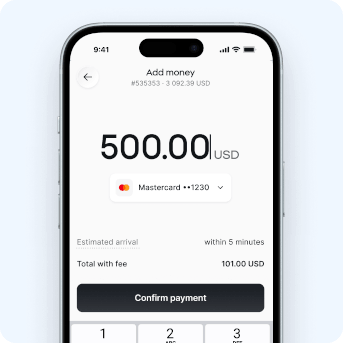
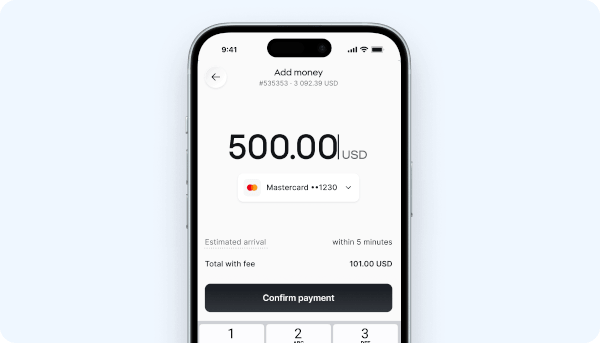
Choose a deposit method convenient for you from a range of available ones, including instant and free payments

WHY XTB

Why invest at XTB?

Innovative Platform

We are constantly working on the development of our proprietary and award-winning investment platform to make sure it suits all your needs. Available in both desktop and mobile versions.

Safe and secure

We are one of the largest stock exchange-listed bokers in the world, regulated by several reputable supervisory authorities. We are also covered by guarantee funds.

Multilingual and highly qualified Customer Support

Our support team is ready to help you 24 hours a day, from Monday to Friday.

LEARN MORE

SPCX.US Share Price & Market Information | XTB

View the latest SPCX.US market information on XTB. Follow price developments, news and updates relating to the proposed SpaceX listing.

TOP INSTRUMENTS

Check out more instruments

All stocks
Education

Explore extensive Knowledge base

Top German Stocks to Watch During Football Tournaments
England vs Croatia: Markets to Watch Ahead of the World Cup Clash
Best Stocks to Watch During the FIFA World Cup in 2026
FAQ

Do you have any questions?

SpaceX is an aerospace, satellite communications, and space transportation company. It develops rockets, spacecraft, launch systems, and satellite internet infrastructure designed to make access to space more efficient and commercially scalable.

The company serves commercial customers, government agencies, defense organizations, enterprise clients, and consumers through Starlink. Its core activities include orbital launches, satellite deployment, human spaceflight, cargo missions, and global broadband connectivity.


SpaceX generates revenue from launch services, Starlink subscriptions, government contracts, spacecraft development, and related aerospace services. Launch customers pay SpaceX to carry satellites, cargo, or spacecraft into orbit, while Starlink customers pay for satellite internet access.

Its main revenue sources include:

  • Launch services for commercial and government customers
  • Starlink hardware sales and monthly subscriptions
  • NASA, defense, and national security contracts
  • Spacecraft development and mission support services

This mix gives SpaceX exposure to both one-time project revenue and recurring subscription revenue.


Starlink is SpaceX’s satellite internet network. It uses thousands of low-Earth-orbit satellites to provide broadband connectivity to households, businesses, ships, aircraft, and government users.

Starlink is important because it expands SpaceX beyond launch services into telecommunications infrastructure. It also creates recurring revenue, increases demand for SpaceX launches, and gives the company a direct relationship with millions of customers worldwide.


SpaceX is considered a leader in the space economy because it has reshaped the economics of orbital launch and built one of the world’s largest satellite infrastructure platforms. The company operates at a scale that few aerospace or telecommunications competitors can match.

Its leadership is supported by several factors:

  • High launch frequency
  • Reusable rocket technology
  • The Starlink satellite network
  • Strong NASA and government relationships
  • Vertical integration across rockets, spacecraft, satellites, and software

SpaceX regularly conducts more orbital launches in a single month than NASA typically conducts in an entire year, highlighting the shift from government-led space activity toward commercial space infrastructure.


SpaceX serves a broad customer base across public, private, and consumer markets. Major customers include NASA, the U.S. Department of Defense, national security agencies, commercial satellite operators, telecom companies, airlines, maritime operators, enterprise clients, and Starlink subscribers.

This diversified customer base matters because SpaceX is not dependent on only one market. Government contracts remain important, but Starlink and commercial launch services give the company additional sources of demand.

SpaceX differs from many traditional aerospace companies because it combines rocket manufacturing, spacecraft development, satellite operations, software, and communications infrastructure under one corporate structure.

The company is also known for vertical integration, meaning it designs and produces many key components internally rather than relying entirely on external suppliers. This can support faster development cycles, tighter cost control, and closer coordination between launch vehicles and satellite systems.


Starship is SpaceX’s next-generation launch system. It is designed to carry much larger payloads than Falcon 9 and support satellite deployment, lunar missions, cargo transportation, and potential future missions beyond Earth.

For SpaceX, Starship matters because it could expand the company’s addressable market if it reaches operational scale. However, it is also a technically complex program that requires regulatory approvals, testing, infrastructure investment, and continued execution.


Government contracts are an important part of SpaceX’s business model. NASA, defense agencies, and national security organizations purchase launch services, crew transportation, cargo missions, spacecraft development, and specialized aerospace capabilities.

These contracts provide credibility, long-term project visibility, and support for advanced technology development. At the same time, SpaceX has expanded beyond government work through Starlink and commercial launch services, making the SPCX business model broader than that of many traditional defense contractors.


SpaceX competes across launch services, satellite communications, aerospace manufacturing, and defense technology. Its competitive landscape depends on the specific business line.

Key competitors include:

  • Blue Origin, United Launch Alliance, Rocket Lab, and Arianespace in launch services
  • Amazon Project Kuiper, Eutelsat OneWeb, Viasat, and SES in satellite communications
  • Boeing, Lockheed Martin, Northrop Grumman, and RTX in selected aerospace and defense markets

This broad competitive set shows why SpaceX is not easy to compare with a single public company.


SpaceX operates in technically demanding, capital-intensive, and highly regulated markets. Key risks include launch failures, mission delays, regulatory restrictions, satellite network disruption, growing competition, supply chain issues, and large investment requirements.

Investors analyzing SPCX should also consider execution risk around Starship, Starlink profitability, government contract exposure, and governance concentration. These risks do not define the company on their own, but they are important for a balanced understanding of the business.


SpaceX’s long-term strategic priorities include expanding Starlink, increasing launch frequency, developing Starship, supporting lunar and deep-space missions, strengthening government partnerships, and lowering the cost of access to space.

The company’s broader goal is to build infrastructure for a larger space-based economy. This includes satellite communications, space transportation, national security applications, and future commercial activities beyond Earth’s orbit.


A stock is a type of security that represents ownership in a company. It represents a claim on part of the company's assets and earnings.

By owning stocks, you can potentially benefit from the growth and success of the company. There are several ways that stocks can make you money: dividend payments (some stocks pay dividends, which are payments made to shareholders out of the company's profits), capital appreciation (when the price of a stock you own increases, you can sell the stock for a profit), stock splits (when a company splits its stock, it issues more shares to existing shareholders, increasing the number of shares you own. This can also lead to an increase in the value of your investment).

There are three main types of stocks: common stock (gives its owner voting rights at shareholder meetings and entitles to a portion of the company's profits through dividends), preferred stock (pays dividends at a fixed rate and has a higher claim on assets and earnings than common stock; does not typically come with voting rights), and warrants (type of security that gives the holder the right, but not the obligation, to buy or sell a specific number of shares of stock at a predetermined price within a certain time frame).

It is not possible to determine a "good" first stock to buy, as what constitutes a good stock can vary depending on an individual's financial goals and risk tolerance. It is important for individuals to thoroughly research any potential investment and consider their own financial situation before making a purchase.