


OIL

Trade OIL CFD

Past performance or future forecasts does not constitute a reliable indicator of future performance.

Fees

Less cost, more investments

Competitive fees

Trade with leverage and keep costs low

Free deposits/withdrawals

Manage your funds. Take advantage of free deposits and withdrawals.

No custody fees

No custody fees up to 250,000 EUR. After that, 0.02% per annum, minimum £10.

Learn

What is CFD trading?

New to CFDs? Learn how CFD trading works and how you can trade on both rising and falling prices without owning the underlying asset. We explain the basics, financial leverage, potential benefits and risks in simple terms.

Read the Beginner’s Guide

Create an account

Open your XTB account in just a few simple steps. Get access to global markets and a wide range of investment opportunities.

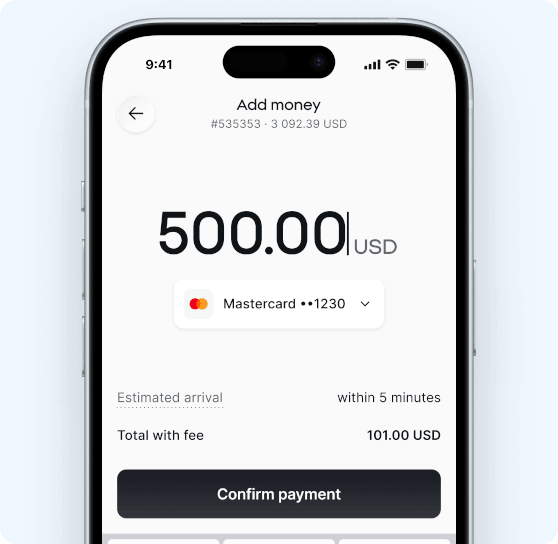
Make a deposit

Add funds to your account using one of the available payment methods. Once your funds are available, you’re ready to start investing.

Trade OIL

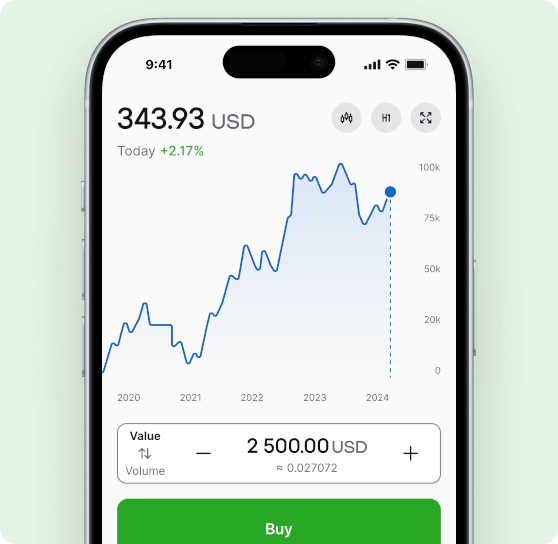
Find OIL in XTB App, choose how much you want to invest and place your order. Start building your portfolio on your terms.

And make your money work in many ways

Explore more ways to put your money to work - from global stocks and ETFs to more. Discover Investment Plans and earn interest on uninvested funds while you wait for your next investment opportunity.

Popular in the markets

Most traded CFDs

Discover where CFD traders are most active. Explore some of the most traded CFDs across global markets and see which instruments are in focus.

News

Keep your finger on the pulse with our latest market news

We are regulated by leading financial regulatory authorities across multiple markets worldwide.

About instrument

Invest in OIL CFD

Oil is a highly valuable commodity that attracts the interest of many investors. For those looking to diversify their investment portfolios, investing in oil can be a profitable opportunity.

Thanks to the XTB offering, it’s possible to invest in oil using one of the most dynamic ways - contracts for difference (CFDs).

Learn more about CFD investing at XTB here.

Investing in oil can be a promising avenue; however, it requires caution due to the volatility of the oil market. The price of oil can experience significant fluctuations, similar to gas, which highlights the importance of understanding the market dynamics that influence its value. Oil investments come with risks due to the unpredictable nature of the market, but they can also offer attractive returns if approached with careful consideration of risks and requirements. Thorough research is essential before making any oil-related investments.

Minimal spread

0.08

Margin

10%

Leverage

10

Commission

-

Market hours

2:05 am - 11:00 pm

Interesting Facts

What to know before investing in OIL

Oil Measurement: The 42-Gallon Barrel: Traditionally, crude oil is measured in barrels, with each barrel equivalent to 42 US gallons (approximately 159 liters). This standard measurement was officially adopted in 1866 in Titusville, Pennsylvania.

Petroleum's Ancient Uses: Crude oil has been used for over 5,000 years, primarily in medicine and cosmetics. Ancient civilisations used "rock oil" for treating various ailments like headaches, toothaches, and even straightening eyelashes.

Global Oil Production Rankings: The United States is the world's largest producer of oil, followed by Saudi Arabia and Russia. These countries play a crucial role in global oil supply, accounting for a significant portion of world production.

Oil's Vital Role in the Economy: Crude oil is a critical natural resource, powering various sectors of the global economy. It directly contributes to about 2.5% of world GDP and accounts for one-third of humanity's primary energy supply.

Refining and Diversification: Crude oil is refined into various products, including gasoline, diesel, jet fuel, heating oil, kerosene, asphalt, and lubricants. Additionally, oil by-products are utilised in the manufacturing of ink, clothing, detergents, and bandages, making oil a versatile commodity.

First Successful Oil Well: The first successful oil well in North America was drilled in Oil Springs, Ontario, Canada, in 1858. Remarkably, this field is still producing a small quantity of oil today.

Oil's Origin and Collection: In the past, crude oil was collected from natural seeps where it oozed to the surface. People would fill buckets from these seeps and burn the crude for fuel. In 1854, the Pennsylvania Rock Oil Company became the first to drill for oil industrially.

Oil's Eponym "Petroleum": The term "petroleum" is derived from Ancient Greek, with "petra" meaning "rock" and "élaion" meaning "oil." This etymology reflects the nature of the resource found in rock formations.

Oil's Crucial Energy Demand: The world's demand for oil reached over 98 million barrels per day in 2023, representing an all-time high.Growing emerging market economies continue to increase their demand, despite fluctuations in oil prices.

Crude Oil Production and Consumption: Every day, over 4.20 billion gallons (15.89 billion liters) of liquid fuels are utilised, amounting to more than 1.51 trillion gallons (5.72 trillion liters) annually. Crude oil and its derivatives are essential to various industries, making it a sought-after commodity by investors.

FAQ

Do you have more questions?

Find answers to our most commonly asked questions. Still have a question? Please contact our customer support team.

Investing in oil offers several advantages. Firstly, oil has a proven track record of maintaining its value, even during periods of inflation and recession. Additionally, oil investments provide diversification to your investment portfolio, which can help mitigate risk.


Oil CFDs, also known as Contracts for Difference, involve an agreement between an investor and a CFD broker. These contracts require the settlement of any change in the value of oil from the beginning to the end of the contract. One notable characteristic of oil CFDs is their leveraging aspect, which allows investors to take larger market positions than their account funds would typically permit. Moreover, oil CFDs enable investors to profit from both price increases and decreases. Learn more about CFD investing at XTB


The value of your oil investment depends on several factors, including the current market price of oil, the specific type of oil you have invested in, and any associated fees or expenses. You can monitor the current price of oil on financial news websites or through an online broker, such as the XTB xStation investing platform. It is important to consider any costs associated with buying or selling your oil investment when calculating its overall value.


Trading oil through Contracts for Difference (CFDs) is not limited to the regular operating hours of oil exchanges. Since CFDs are derivatives, they can be traded almost continuously. This is because they are not directly linked to physical assets but instead track the price movements of oil in the underlying market.

At XTB, you have the opportunity to trade oil CFDs 24 hours a day, from Monday to Friday.


It is not possible to determine the "best" commodity to invest in, as the performance of different commodities can vary significantly depending on a wide range of factors. Some common commodities that are traded on the financial markets include oil, gold, and agricultural products.

Yes, individuals can invest in commodities through e.g. commodity based instruments - such as CFDs and futures contracts or purchasing physical meterials.

It is not possible to determine a "top" commodity, as it depends on a wide range of factors, but top five commodities by global trade volume are: Oil, Natural Gas, Gold, Silver and Copper. However, the popularity of different commodities can vary depending on regional and global economic conditions.