CATTLE

Trade CATTLE CFD

Past performance is not necessarily indicative of future results, and any person acting on this information does so entirely at their own risk.

Fees

Less costs, more investments

Competitive fees

Trade with leverage and keep costs low

Free deposits and withdrawals

Manage funds without costs using selected payment methods

Free account opening

Complete the process in 15 minutes without unnecessary formalities.

Learn

What is CFD trading?

New to CFDs? Learn how CFD trading works and how you can trade on both rising and falling prices without owning the underlying asset. We explain the basics, financial leverage, potential benefits and risks in simple terms.

Read the Beginner’s Guide

Create an account

Open your XTB account in just a few simple steps. Get access to global markets and a wide range of investment opportunities.

Make a deposit

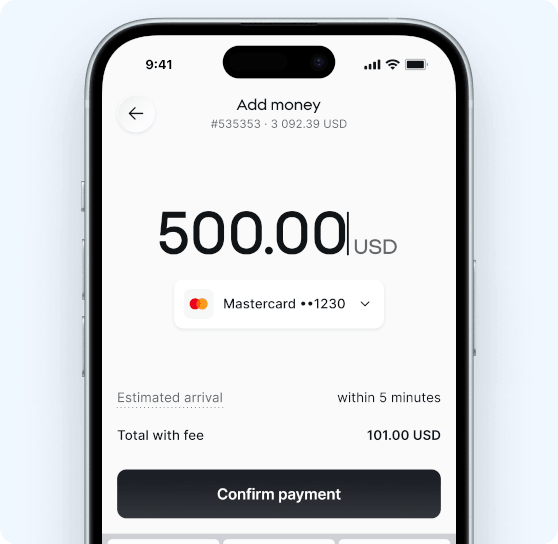
Add funds to your account using one of the available payment methods. Once your funds are available, you’re ready to start investing.

Trade CATTLE

Find CATTLE in XTB App, choose how much you want to invest and place your order. Start building your portfolio on your terms.

And make your money work in many ways

Explore more ways to put your money to work - from global stocks, ETFs and more. Discover Investment Plans while you wait for your next investment opportunity.

Popular in the markets

Most traded CFDs

Discover where CFD traders are most active. Explore some of the most traded CFDs across global markets and see which instruments are in focus.

News

Keep your finger on the pulse with our latest market news

We are regulated by leading financial regulatory authorities across multiple markets worldwide.

About instrument

Trade CATTLE CFD

Cattle is a derivative, leveraged instrument based on live cattle futures contracts, which are traded on the Chicago Mercantile Exchange (CME) and serve as a benchmark for cattle prices globally. These futures contracts allow producers, consumers, and speculators to hedge against price volatility or to profit from price changes. Live cattle refer to cattle raised for beef production, and their prices are influenced by various factors, including feed costs or consumer demand.

Learn more about CFD investing at XTB

The global cattle market is influenced by the supply and demand dynamics of the largest producing and consuming countries. Major cattle producers include:

  • United States: A major producer and exporter of beef, with significant production concentrated in the Midwest and Great Plains.

  • Brazil: A leading cattle producer and exporter, with vast agricultural land dedicated to cattle ranching.
  • Australia: Known for high-quality beef production and an export-oriented industry.

On the demand side, major cattle-consuming regions include the United States, the European Union, and Asia, where beef is a staple food. Changes in consumption patterns, population growth, and economic development in these regions can influence global cattle demand. Additionally, trade policies, tariffs, and international relations play vital roles in shaping the global cattle market.

Trading Hours

CATTLE can be traded almost 24 hours a day during weekdays, reflecting the trading hours of the underlying Live Cattle CME futures contracts. The main trading sessions are as follows:

  • Pre-Market Trading: Begins at 5:00 PM CST (previous day) and runs until the official market open at 8:30 AM CST.
  • Regular Market Trading: From 8:30 AM CST to 1:05 PM CST.
  • After-Market Trading: Starts at 1:05 PM CST and ends at 5:00 PM CST.

Expected Volatility

  1. Market Open (8:30 AM - 9:30 AM CST): The first hour of regular trading is typically characterized by high volatility due to reactions to overnight news, feed prices, and global economic data.
  2. Midday Trading (9:30 AM - 11:00 AM CST): Volatility tends to decrease, with lower trading volumes as the market settles into a steady rhythm.
  3. Afternoon Trading (11:00 AM - 1:05 PM CST): Volatility can pick up again as traders position themselves ahead of the market close.
  4. After-Market Trading (1:05 PM - 5:00 PM CST): Lower trading volumes but potential significant price movements due to late-breaking news or feed price changes.

CATTLE trading hours

  • Economic Data Releases (8:00 AM - 10:00 AM CST): Major economic data releases, such as USDA cattle reports or global beef supply and demand estimates, often cause substantial market movements.
  • Feed Price Reports: Critical factors in cattle production costs, feed price changes can significantly impact cattle prices.
  • Overlap of U.S. and European Market Hours (7:00 AM - 11:00 AM CST): Higher trading volumes and increased volatility.


Margin

1.50%

Leverage

67

Commission

-

Market hours

03:30 Pm - 08:05 pm

Interesting Facts

What to know before investing in CATTLE

Historical Significance: Cattle have been domesticated for thousands of years and have played a vital role in the development of human civilization. They have served as important sources of meat, milk, leather, and labor, helping support agriculture and transportation. Throughout history, cattle have also influenced trade,and cultural traditions.

Role of Speculators: Commodities speculators play an important role in financial markets by buying and selling contracts based on expected price movements. Their trading activity provides liquidity, making it easier for producers, businesses, and investors to buy or sell commodities. 

Market Bubbles and Crashes: The cattle market has experienced several periods of significant price increases and declines. One notable example occurred in 2014, when cattle prices surged due to severe droughts, high feed costs, and strong consumer demand for beef, creating a market bubble.

Famous Speculators: Richard Dennis, widely known as the "Prince of the Pit," was one of the most successful commodities traders in history. He made a fortune trading various commodities, including live cattle futures, and became famous for his disciplined trading strategies and strong risk management techniques.

Technological Advancements: Innovations in agricultural technology have significantly improved cattle production over the years. Advances such as selective breeding, precision feeding, improved veterinary care, and modern farm management systems have increased productivity, enhanced animal health.

Global Trade: The global cattle market is heavily influenced by international trade, with major exporters such as the United States, Brazil, and Australia supplying beef to countries around the world. Trade agreements, tariffs, disease outbreaks, and international relations can all affect the flow of cattle and beef products.

FAQ

Do you have more questions?

Find answers to our most commonly asked questions. Still have a question? Please contact our customer support team.

CATTLE is a leveraged derivative instrument based on quotations of Live Cattle CME futures contracts, allowing traders to speculate on the price movements of live cattle with less capital.


CATTLE allows traders to speculate on price movements without owning the physical commodity, involving higher risk due to leverage.


Prices are influenced by feed costs, global supply and demand, economic data, trade policies, and speculative trading activities.


Through futures contracts, options, ETFs that track cattle prices, or leveraged instruments like CATTLE CFDs. Traders should be aware of risks related to leveraged CFD trading, which may lead to capital losses. 


Risks include price volatility, leverage, and market liquidity, necessitating careful risk management.


It is not possible to determine the "best" commodity to invest in, as the performance of different commodities can vary significantly depending on a wide range of factors. Some common commodities that are traded on the financial markets include oil, gold, and agricultural products.

It is possible for the individuals to speculate on the price of the commodities through e.g. commodity based instruments - such as CFDs and futures contracts or purchasing physical meterials.

It is not possible to determine a "top" commodity, as it depends on a wide range of factors, but top five commodities by global trade volume are: Oil, Natural Gas, Gold, Silver and Copper. However, the popularity of different commodities can vary depending on regional and global economic conditions.

The financial instruments we offer, especially CFDs, can be highly risky. Fractional Shares (FS) is an acquired from XTB fiduciary right to fractional parts of stocks and ETFs. FS are not a separate financial instrument. The limited corporate rights are associated with FS.
This page was not created for investors residing in Brazil. This brokerage is not authorized by the Comissão de Valores Mobiliários (CVM) or the Brazilian Central Bank (BCB). The content of this page should not be characterized as an investment offer in Brazil or for investors residing in that country.
Losses can exceed deposits