


Bitcoin Bitcoin

Bitcoin • VanEck Bitcoin ETN (Acc EUR)

Invest in VBTC.DE ETN

Past performance is not necessarily indicative of future results, and any person acting on this information does so entirely at their own risk.

Fees

Less costs, more investments

0% commission*

Enjoy no commission on stocks and ETFs up to EUR 100 000 of monthly turnover, above this amount the commission is only 0.2% (min. EUR 10). Remember that 0.5% currency conversion cost may apply.

Free deposits and withdrawals

Manage funds without costs using selected payment methods

Free account opening

Complete the process in 15 minutes without unnecessary formalities.

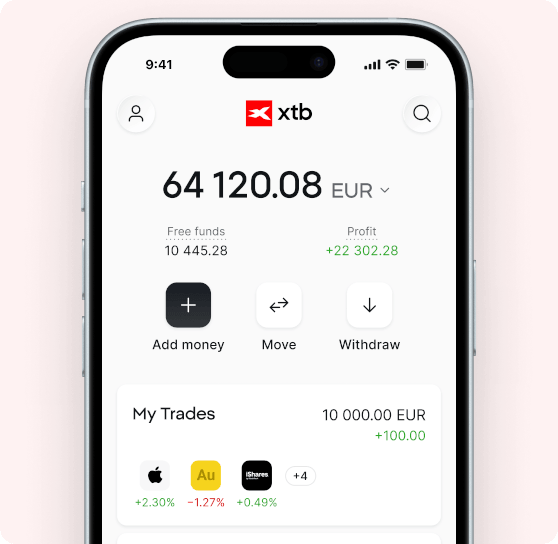
Create an account

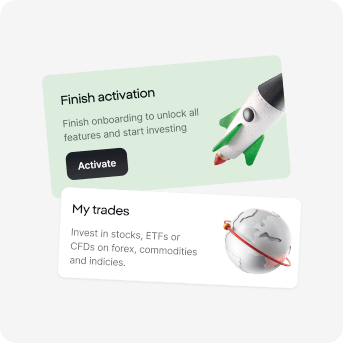
Open your XTB account in just a few simple steps. Get access to global markets and a wide range of investment opportunities.

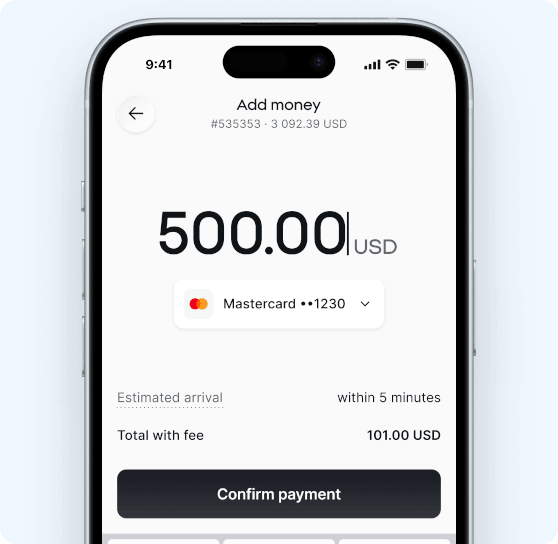
Make a deposit

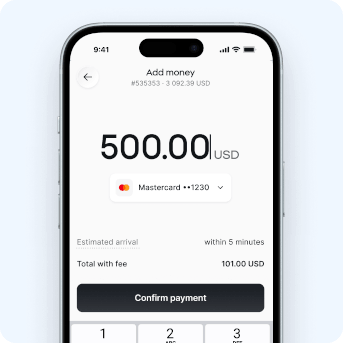
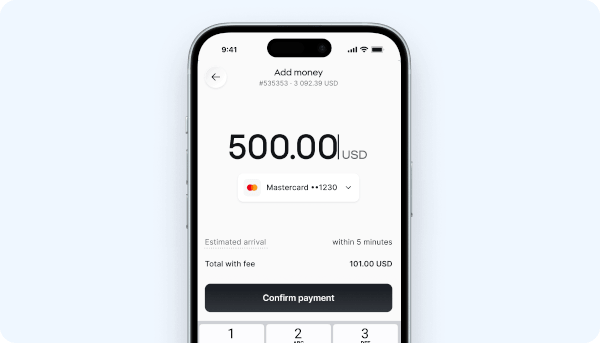
Add funds to your account using one of the available payment methods. Once your funds are available, you’re ready to start investing.

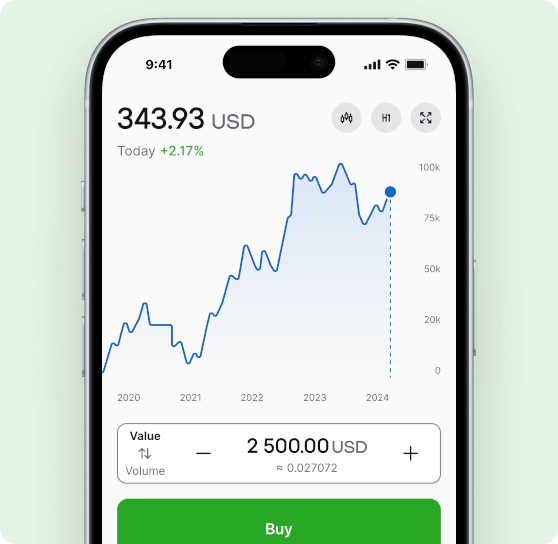
Buy VBTC.DE

Find VBTC.DE in XTB App, choose how much you want to invest and place your order. Start building your portfolio on your terms.

And make your money work in many ways

Explore more ways to put your money to work - from ETFs to CFDs on commodities, indices, crypto and more. Discover Investment Plans while you wait for your next investment opportunity.

News

Keep your finger on the pulse with our latest market news

We are regulated by leading financial regulatory authorities across multiple markets worldwide.

About instrument

Invest in VBTC.DE with ZERO commission

VanEck Bitcoin ETN (Acc EUR)

ISIN

-

Trading days

-

Market hours

-

Commission

0 EUR*

Minimum order value

1 EUR

FAQ

Do you have more questions?

Find answers to our most commonly asked questions. Still have a question? Please contact our customer support team.

An Exchange-Traded Note (ETN) is a financial instrument that works similarly to an ETF, but instead of investing in a physical asset, it tracks the performance of a specific index or underlying asset. ETNs are issued by financial institutions, such as banks, and are in the form of debt, meaning that the investor does not own the actual asset, but only the right to receive a return based on the performance of the index being tracked.

To buy an ETN, you need to open a brokerage account and choose a listed instrument that aligns with your investment goals and risk tolerance. It’s worth analysing its structure, issuer, and the indicator it replicates. Before investing, beginners should gain knowledge about ETNs, their advantages, and risks in order to make informed decisions.

Yes, investors can buy ETNs themselves through a brokerage house or directly from the issuer. They can also sell them on the stock exchange before the end of the maturity period if they do not want to wait for the return of capital. Before investing, it is worth familiarising yourself with the transaction costs and the specifics of this instrument.

ETNs and ETCs are debt instruments of the issuer, while ETFs are funds that hold real assets. An ETN is a debt security issued by a financial institution that tracks the performance of a specific index or asset, but does not physically own it - the investor receives a return based on the performance of the index, not the asset itself. An ETC works similarly to an ETN, but is focused solely on commodities, often backed by a physical asset, although it is still a debt instrument. An ETF, on the other hand, is an investment fund that actually owns assets, such as stocks, bonds or commodities, and tracks their performance.

The financial instruments we offer, especially CFDs, can be highly risky. Fractional Shares (FS) is an acquired from XTB fiduciary right to fractional parts of stocks and ETFs. FS are not a separate financial instrument. The limited corporate rights are associated with FS.
This page was not created for investors residing in Brazil. This brokerage is not authorized by the Comissão de Valores Mobiliários (CVM) or the Brazilian Central Bank (BCB). The content of this page should not be characterized as an investment offer in Brazil or for investors residing in that country.
Losses can exceed deposits