

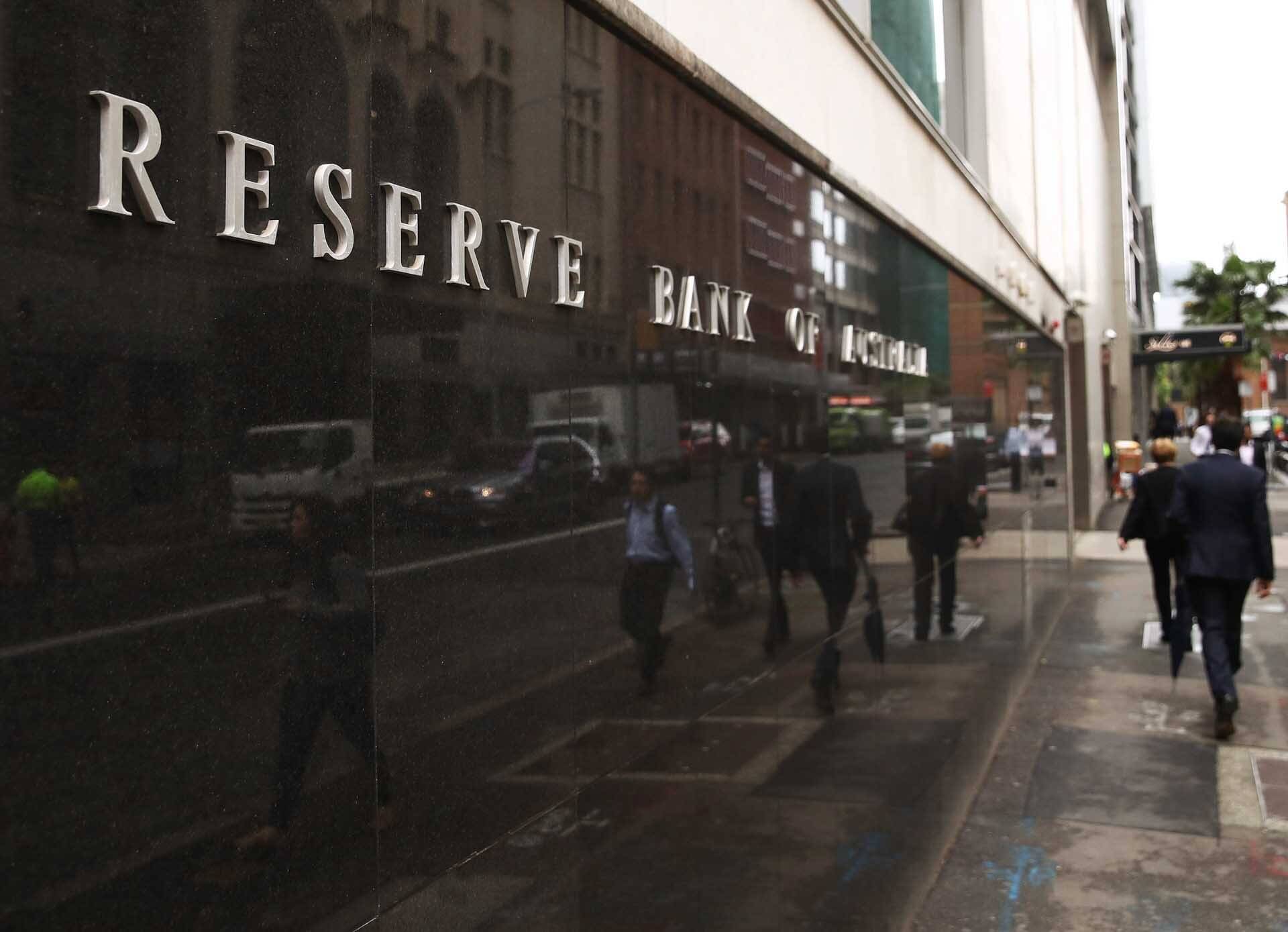

The Australian dollar has strengthened noticeably in recent sessions, supported both by expectations regarding domestic monetary policy and favorable global macroeconomic conditions. Markets are increasingly assuming that the Reserve Bank of Australia (RBA) will maintain a relatively hawkish stance, while inflation risks remain elevated. After raising rates by 25 bps in February, economists from major banks such as Commonwealth, NAB, and Westpac now forecast two additional 25 bps hikes in March and May, which could lift the main policy rate to around 4.35–4.50%. Futures contracts currently indicate roughly a 70% probability of a rate hike at the March 17 meeting, compared with around 30% earlier this week, reflecting growing concerns about inflationary pressure driven by higher oil prices and resilient domestic demand.
From a macroeconomic perspective, several structural factors continue to support the Australian dollar. Australia benefits from the ongoing bull market in metals and commodities, being one of the world’s largest producers of resources such as gold, natural gas, and iron ore. Additionally, the country’s trade position remains relatively balanced despite global trade tensions, maintaining strong economic relations with both China and Western economies. Domestically, housing prices remain stable, while the economy is expanding at around 2.6% annually, a result stronger than many earlier forecasts. At the same time, declining US bond yields — with the yield on 10-year Treasuries falling to around 4.11% from 4.21% — together with broader risk-on sentiment in equity markets have weakened the US dollar and supported higher-beta currencies such as the AUD.
In this environment, the AUDUSD pair continued to rise, gaining 0.45% today to 0.71500, marking a new high for 2026 and the highest level since 2023. The pair briefly climbed to 0.7155, breaking above the previous February peak, before slightly pulling back below that level. From a technical perspective, the upward structure remains intact as long as the pair holds above 0.7110. If these levels are maintained, the upward trend could extend toward 0.7300, particularly if the RBA signals further monetary tightening. Conversely, a decline below these supports — especially below 0.7057 — would suggest that the recent breakout was false and that a deeper correction may begin.



🔼 EURUSD continues to rebound


Chart of the Day: NATGAS - Are there chances for a seasonal rebound amid warm weather?

Economic Calendar - Final Eurozone CPI Inflation, US Manufacturing, and Regional Bank Earnings


Morning Briefing: Warsh's silence on interest rates. AI debt fears cooled sentiment, but a rebound is visible