

- US crude inventories fell by 865 000 barrels to 409.76m barrels.
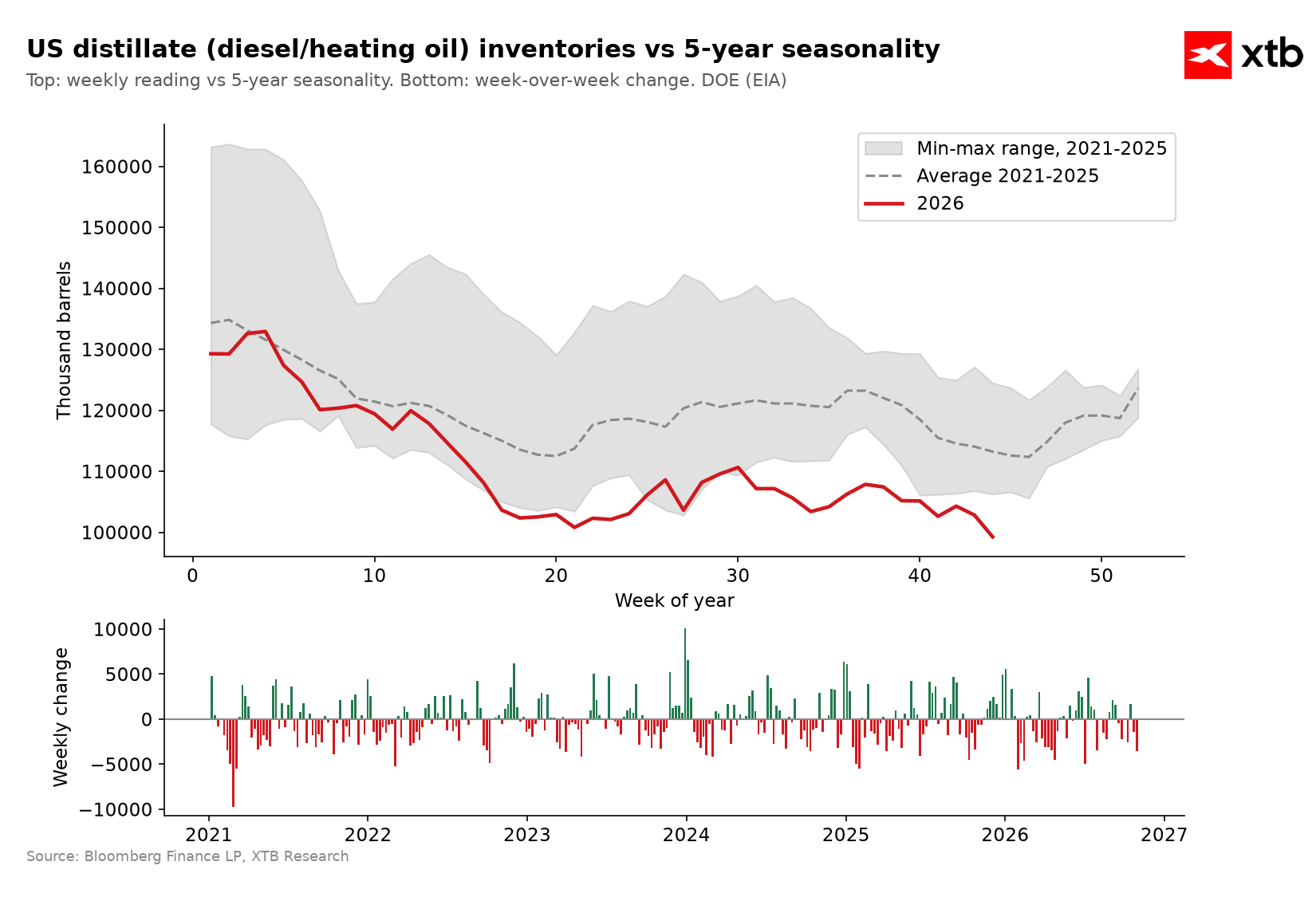
- Distillate inventories dropped sharply by 3.565m barrels to signal strong winter demand.
- Oil prices pulled back toward 101.11 USD on geopolitical hopes for US and Iran talks.

- US crude inventories fell by 865 000 barrels to 409.76m barrels.
- Distillate inventories dropped sharply by 3.565m barrels to signal strong winter demand.
- Oil prices pulled back toward 101.11 USD on geopolitical hopes for US and Iran talks.
The weekly report from the US Department of Energy (DOE) showed a smaller-than-expected decline in crude oil inventories, but this information is not what is driving energy market volatility today. It is primarily the hope of moving into a negotiation phase between the US and Iran, which occurred in recent days, as well as the Republicans' loss in the midterm elections, which reduces Trump's leverage and shows American opposition to his policies.
- US crude oil inventories fell by 865k barrels to 409.76m (a decline of 1.7m was expected, API indicated as much as 5.3m)
- Inventories in Cushing rose by 280k barrels to 27.25m
- Gasoline inventories fell by 222k barrels to 208.958m (an increase of 200k was expected)
- Distillate inventories (diesel, heating oil) fell sharply by 3.565m barrels to 99.259m (a decline of only 1m was expected)
- Refinery capacity utilization rose to 94.5% from 92.8% the previous week
- Crude imports from Saudi Arabia increased by 29% to 293k bpd, while imports from Canada remained dominant at nearly 4m bpd
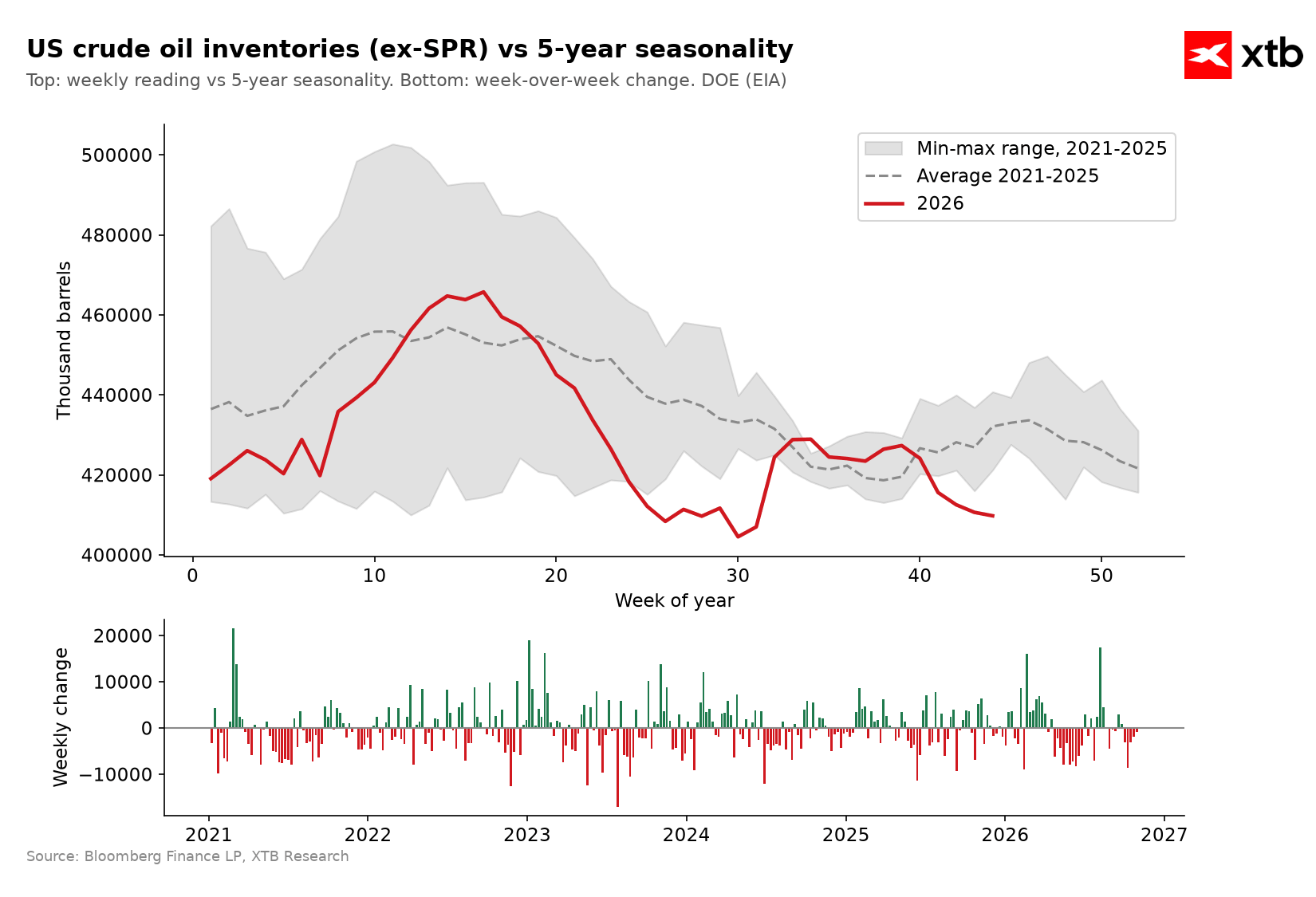
The inventory reading itself, despite a smaller-than-expected decline in raw material, was mixed. The strong draw in distillates signals solid demand ahead of the winter season, and the increase in refinery throughput confirms that the US refining industry is working at full capacity. Therefore, the data itself does not justify today's sell-off in oil.
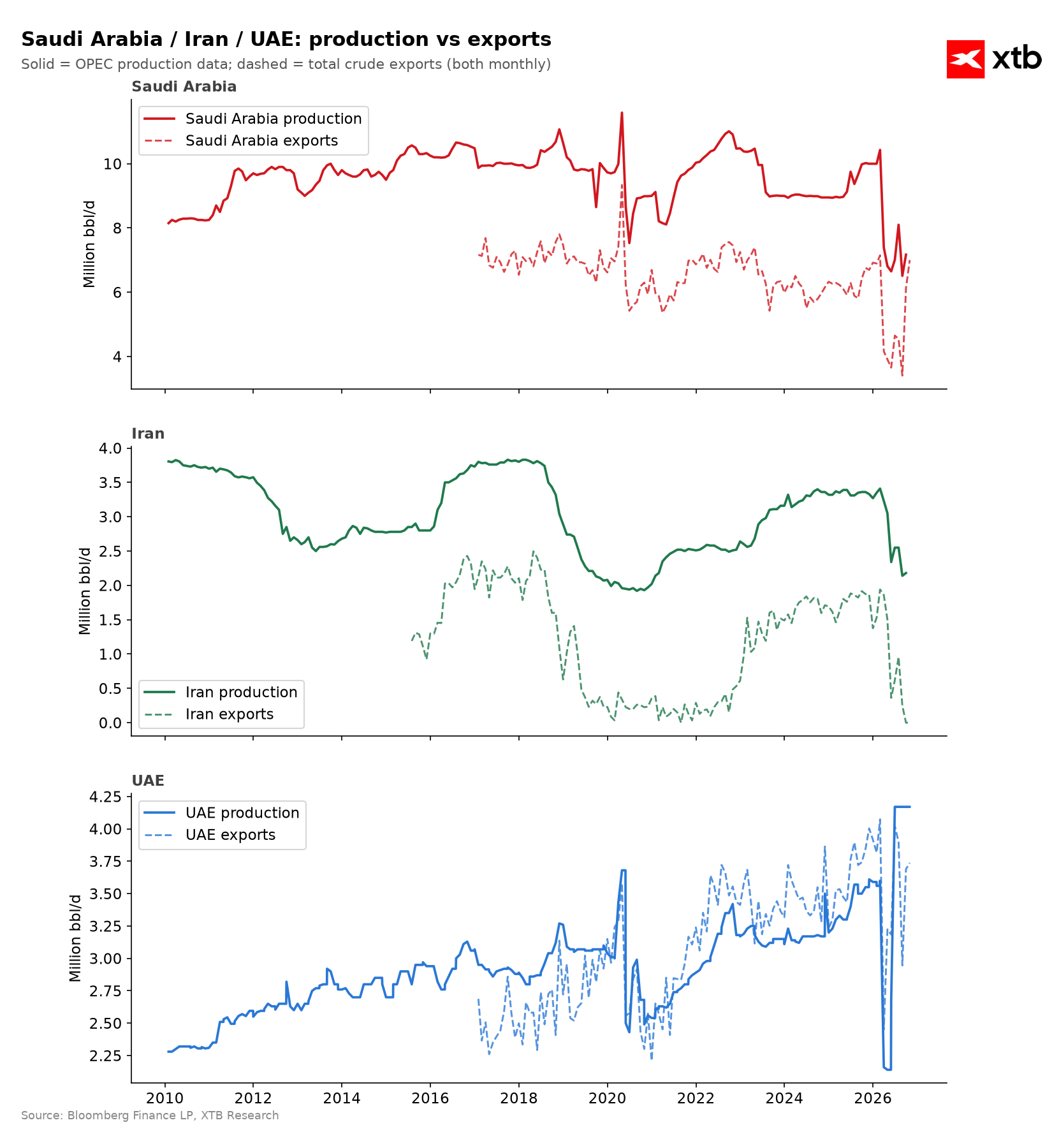
The real drivers of the decline are two non-market factors. First, the market continues to take profits following the Democratic victory in the midterm elections, which reduces some of the risk premium associated with trade and geopolitical tensions built up by the current administration. Second, and far more importantly, investors are increasingly pricing in chances of a thaw between Washington and Tehran. Reports of readiness for dialogue following recent limited US strikes on Iran lead the market to assume that the risk of further escalation in the Strait of Hormuz—and thus the threat to oil flow from the Persian Gulf—is distinctly diminishing. Iran currently has its back against the wall: production has fallen to 2020 lows, and exports have practically evaporated.
Brent crude pulled back today to around USD 101.11, crossing the SMA25 and 50 moving averages and testing the 23.6% retracement of the latest upward impulse. The next potential target if USD 100 is broken could concern the range of the largest correction in the recent upward trend. However, a true signal of trend reversal would be a drop in price below the 200-period moving average near USD 92.
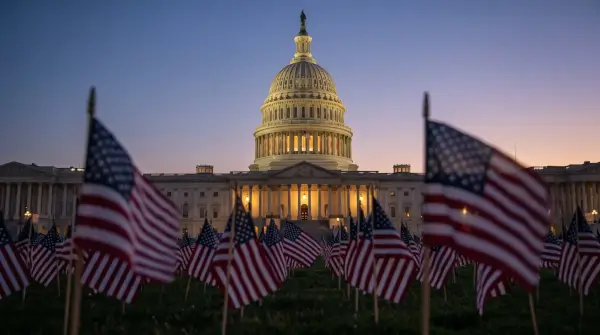


US OPEN: Blue Wave in Congress Triggers Massive Wall Street Rally, Dow Gains Over 1,000 Points



BREAKING: Democrats take both chambers of Congress🗽


Daily Summary: Chips lift Wall Street on Election Day, oil drops amid progress in negotiations (03.11.2026)
US Open: Lower oil prices boost indices, markets await Midterms results (03.11.2026)