



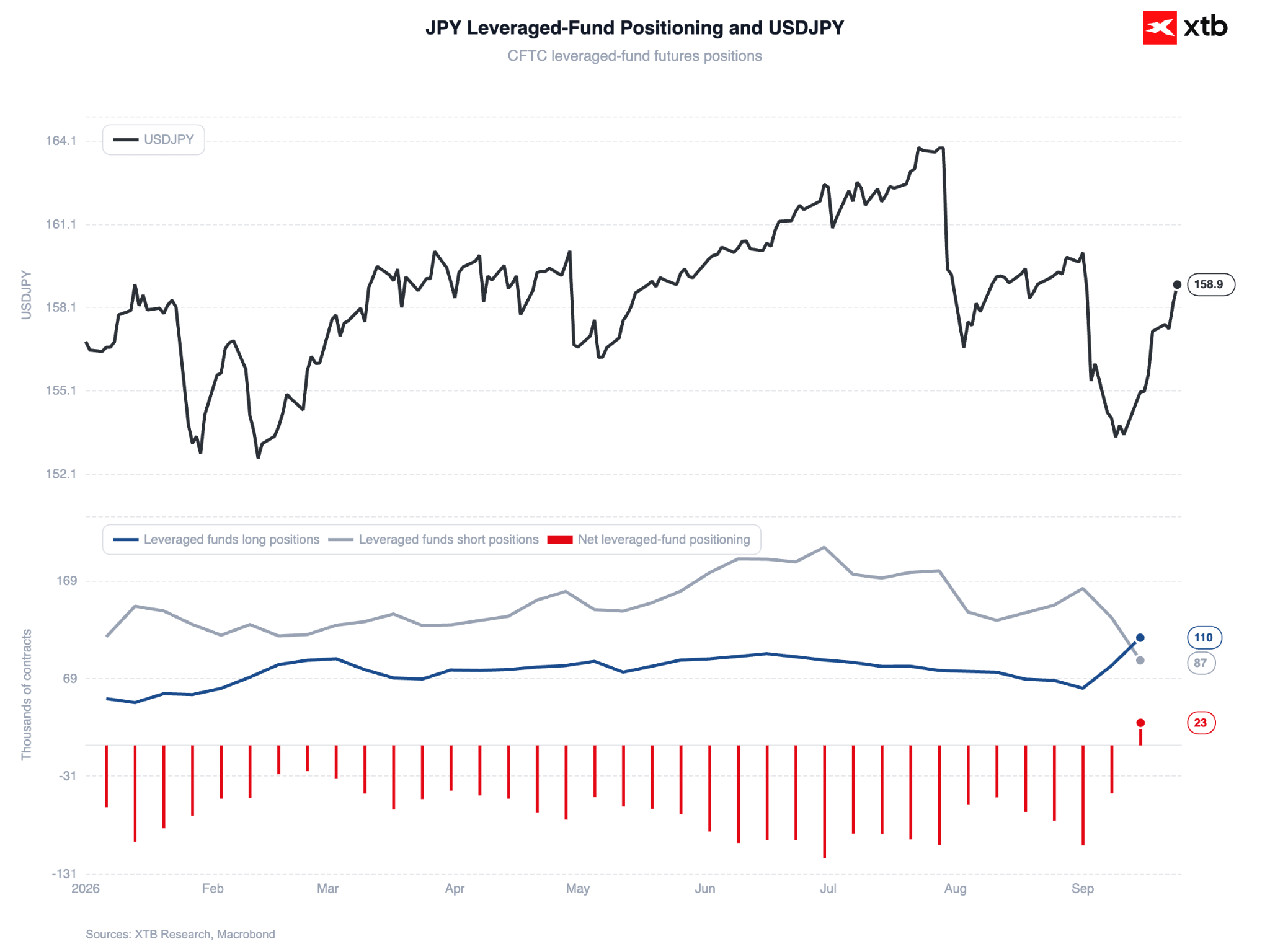
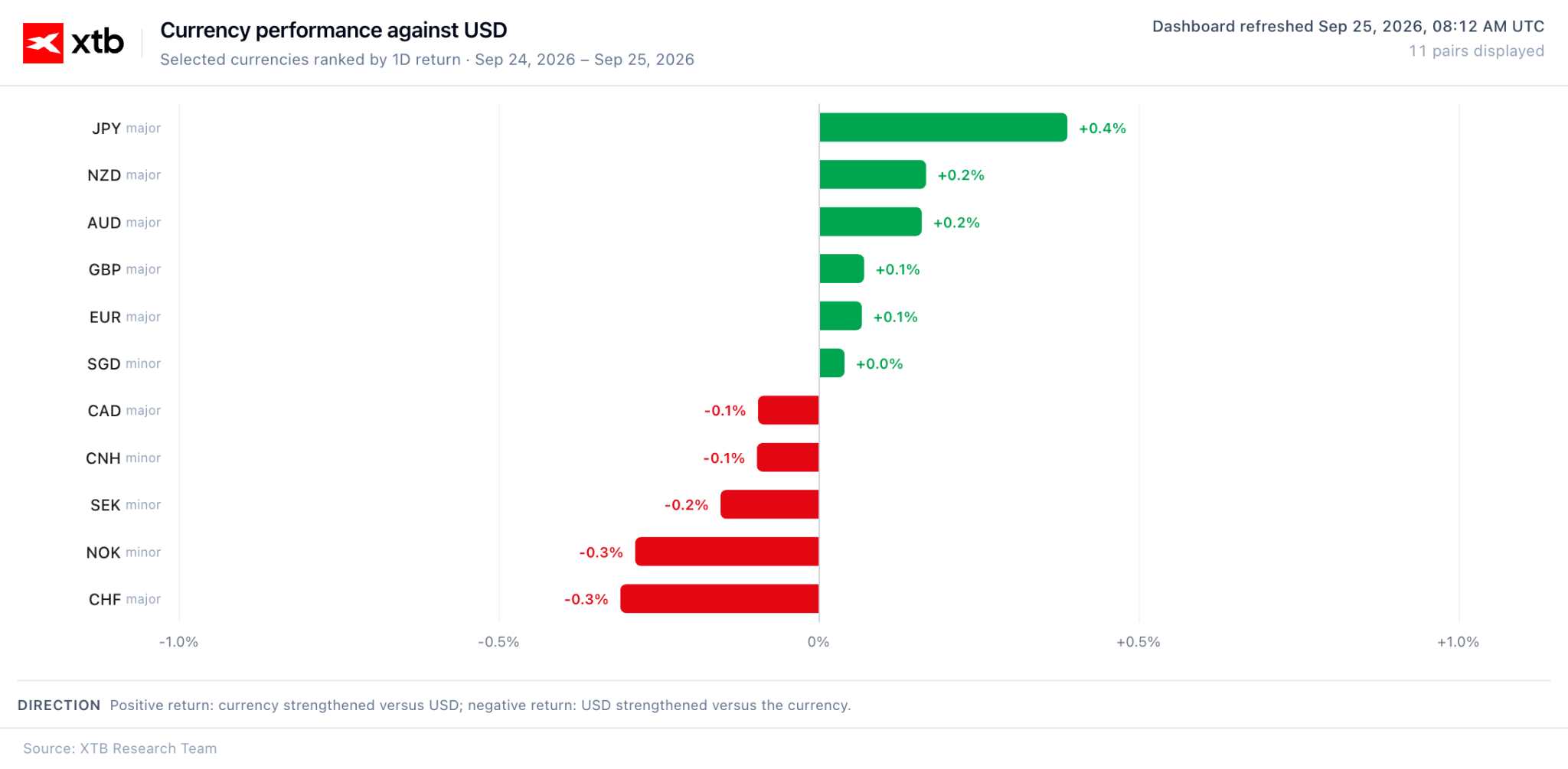
At present, the Japanese yen is recording its best session in over two weeks, appreciating against all other G10 currencies. The USDJPY pair is down 0.4%, approaching the 158 level.
Figure 1: USDJPY and CFTC Positioning (2026)
 Source: XTB Research, 25.09.2026
The reason?
Japanese Finance Minister Satsuki Katayama revealed that Donald Trump personally expressed concern regarding the weakness of the Japanese currency during a meeting with Prime Minister Sanae Takaichi in New York. She added that she will continue to coordinate actions with her American counterpart, Scott Bessent, "including in the area of foreign exchange rates".
Figure 2: Performance of G10 Currencies (25.09.2026)
 Source: XTB Research, 25.09.2026
Katayama's remarks coincided with equally significant statements from the Minister for Economic Growth Strategy, Minoru Kiuchi. He announced the end of the reflationary regime that relied on loose fiscal policy, a weak yen to support exports, and active economic stimulus through state expenditure (often referred to as Abenomics). As he highlighted, Japan has entered a phase of gradually rising prices and interest rates. The entire development can be viewed as a coordinated attempt to rebuild the credibility of the yen.
Fundamentals
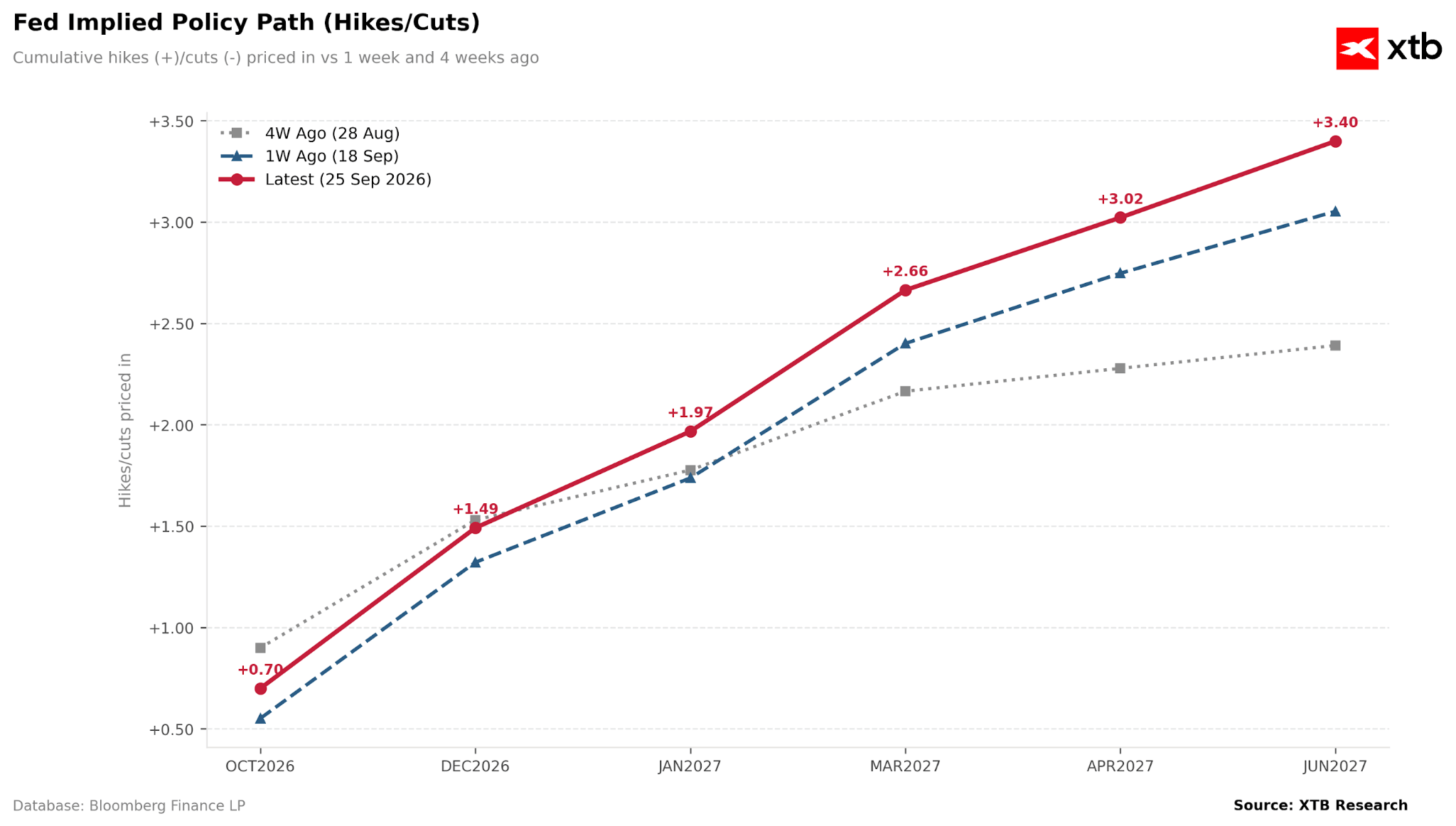
From a fundamental perspective, pressure on the Japanese currency was exerted by the recent upward revision in pricing regarding the Fed's interest rate hike path following the publication of exceptionally strong US PMI data. Overall, these represent the strongest figures in five years, consistent with GDP growth of around 5%. The market is increasingly pricing in a continuation of the rate-hiking cycle as early as the October meeting.
Figure 3: Market-Implied Path for Fed Interest Rates (2026-2027)
 Source: XTB Research, 25.09.2026
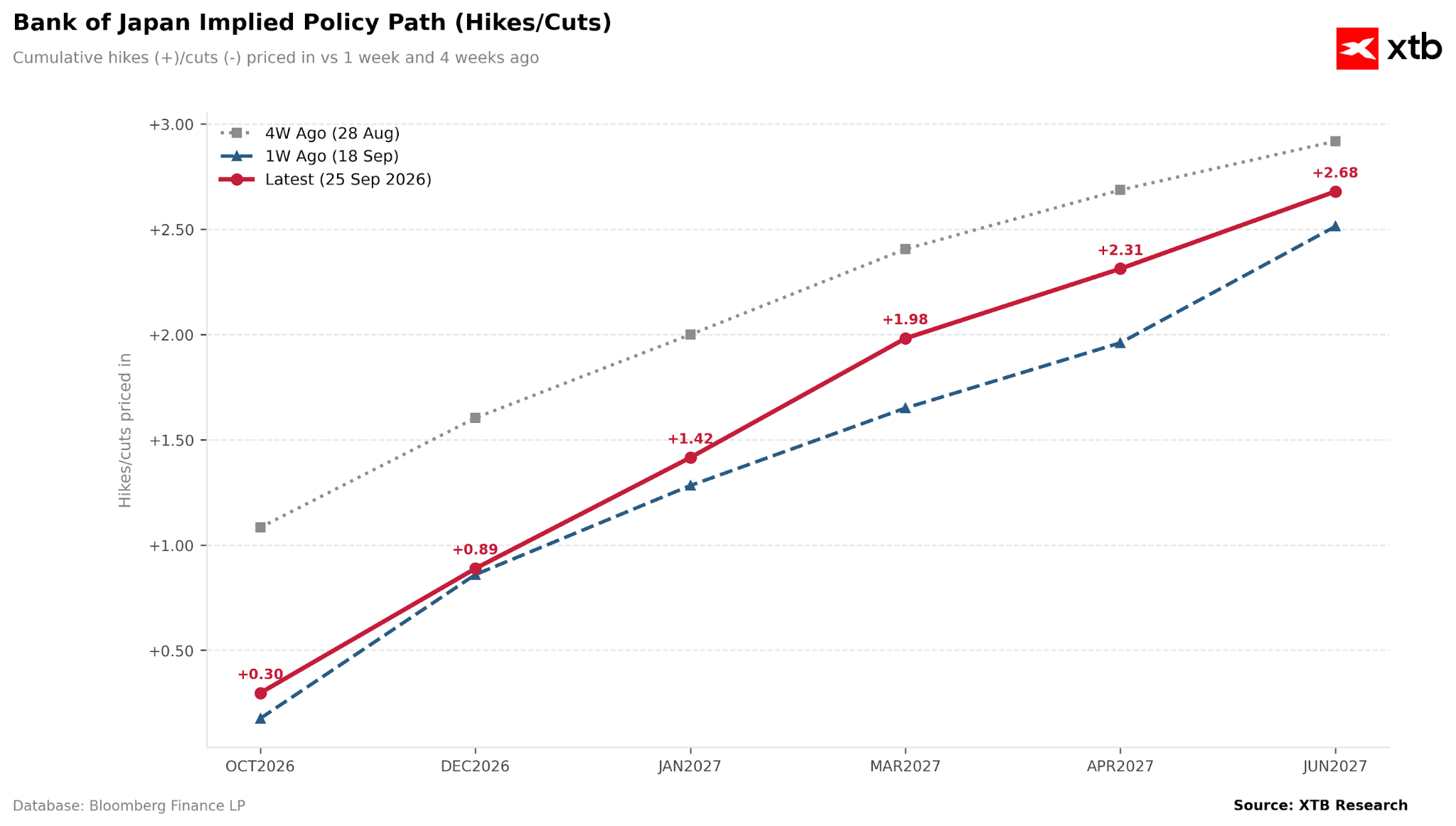
Investors are therefore eagerly anticipating data or comments from BoJ officials that could lead to a similar repricing regarding interest rate expectations in Japan.
Figure 4: Market-Implied Path for BoJ Interest Rates (2026-2027)
 Source: XTB Research, 25.09.2026
It is also worth noting that as one of the most closely watched currency pairs rises further, the risk of intervention increases. Officials have ceased announcing these in advance for some time now.
Technical Analysis
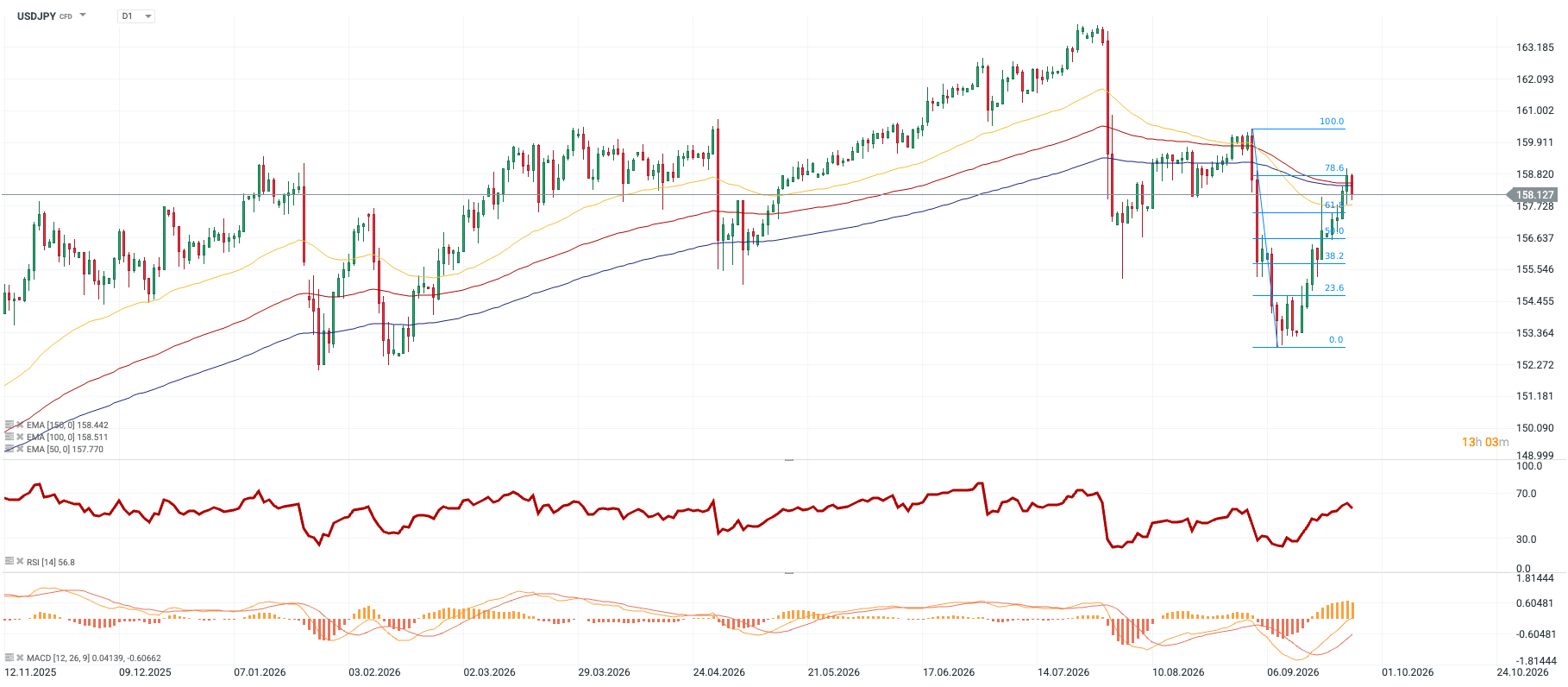
Figure 5: USDJPY [D1] (12.11.2025-25.09.2026)
 Source: XTB, 25.09.2026
The pair has managed to recover most of the losses from the sharp September sell-off. Currently, the rate is hovering around a tight cluster of moving averages, specifically the 50, 100, and 150 EMAs. A breakout and sustained hold above this zone would open the path towards the 78.6% Fibonacci retracement level and the psychological 160 level, the area where coordinated intervention took place during the summer.
The RSI at 56.8 confirms renewed bullish momentum, having moved out of deep oversold territory (below 30 at the turn of August and September) and now trading in the upper half of the neutral range.
—
Michał Jóźwiak, Financial Markets Analyst at XTB



Morning Briefing: Warsh's silence on interest rates. AI debt fears cooled sentiment, but a rebound is visible


Daily Summary: Rising inflation weighs on markets, semiconductors suffer most (14.10.2026)


US Open: CPI reading weighs on American indices (14.10.2026)
US inflation concerns rise