

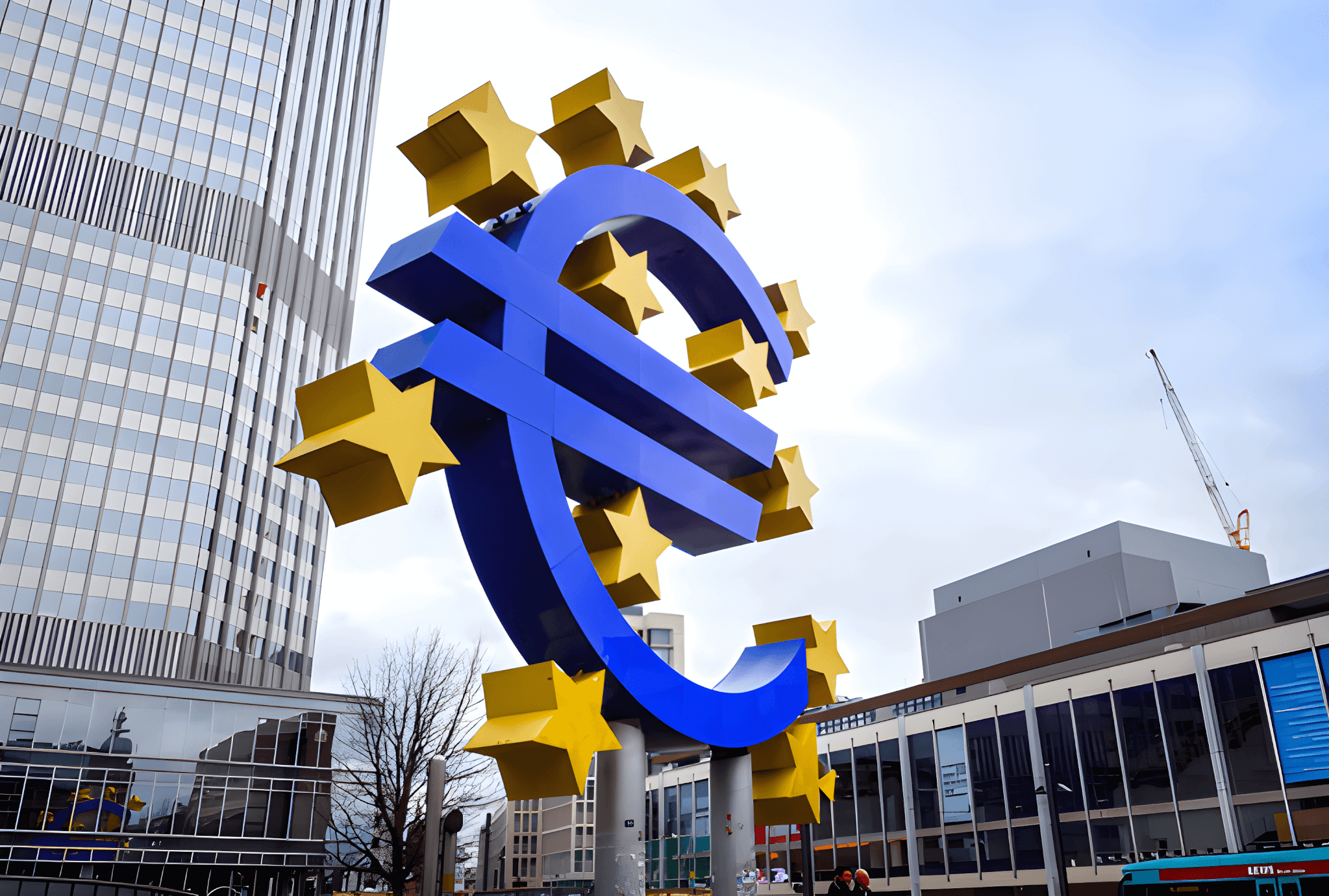

The European Parliament on Monday froze the ratification process of the hard-won EU-US trade agreement, known as the "Turnberry Agreement," signaling a dramatic breakdown in transatlantic relations.
The decision follows a weekend of legal and political upheaval in Washington. A landmark US Supreme Court ruling on February 20 declared President Donald Trump’s previous tariffs—imposed under the International Emergency Economic Powers Act (IEEPA)—unconstitutional. The President responded almost immediately by invoking a separate, rarely used legal provision to impose a new 15% global levy.
The SCOTUS Ruling: A Constitutional Rebuke
On Friday, February 20, the US Supreme Court ruled 6-3 that President Trump exceeded his executive authority. Chief Justice John Roberts, writing for the majority, clarified that the IEEPA does not grant the President the power to unilaterally impose tariffs, as the "taxing power" is a constitutional prerogative reserved strictly for Congress.
The ruling effectively nullified tariffs that have generated between $130bn and $180bn in customs revenue to date, and which were projected to bring in $1.4tn over the next decade.
Trump’s Counterstrike: Section 122
Within hours of the judicial defeat, Mr. Trump signed an executive order imposing a new 10% global tariff under Section 122 of the Trade Act of 1974—a provision previously dormant for such purposes. By Saturday, February 21, the President announced via Truth Social that the rate would be hiked to 15%, the maximum allowed under that statute.
The new measures are set to take effect on February 24 and can remain in force for 150 days (until approximately July 23, 2026) without Congressional approval. In a series of combative posts, Mr. Trump:
-
Characterized the dissenting justices as "fools" and a "disgrace to their families."
-
Warned today: "Any nation that wants to play games with the Supreme Court decision will be met with a much higher tariff, and worse."
-
Insisted: "I do not have to go back to Congress to get approval of tariffs," signaling his intent to bypass legislative oversight.
-
Promised to unveil further "legally permissible" tariff structures in the coming months.
Brussels Retaliates: "A Deal is a Deal"
This marks the second time the ratification of the July 2025 Turnberry Agreement has been halted. The process was briefly frozen in January 2026 following Mr. Trump’s threats regarding the acquisition of Greenland.
Bernd Lange, Chairman of the European Parliament’s Trade Committee, convened an emergency meeting on Monday to propose the indefinite suspension of legislative work. "Does the move to Section 122 not constitute a breach of our agreement?" Mr. Lange asked, pointing to a potential legal overlap.
The primary concern for Brussels is that the new 15% global tariff may be applied in addition to existing Most-Favoured-Nation (MFN) rates. This could push the effective tax on EU exports well beyond the agreed 15% ceiling. Zeljana Zovko, a negotiator for the EPP, stated that the Parliament had "no choice" but to wait for total legal clarity.
The European Commission issued a stern communique, emphasizing that "a deal is a deal" and warning that unpredictable tariffs are "inherently destructive" to market stability.
The Tariff Arithmetic: A Growing Burden
The critical question for markets is whether the 15% Section 122 levy replaces or supplements the Turnberry rates. US Trade Representative Greer has suggested the new tariff is "distinct" from existing agreements.
Under this "supplemental" scenario, effective rates on European goods could theoretically surge to 30%. According to the Yale Budget Lab, a full application of Section 122 without exemptions could drive the average US effective tariff rate to 24.1%—higher even than the 16.9% seen during the height of the IEEPA era.
Market Reaction: Gold Surges
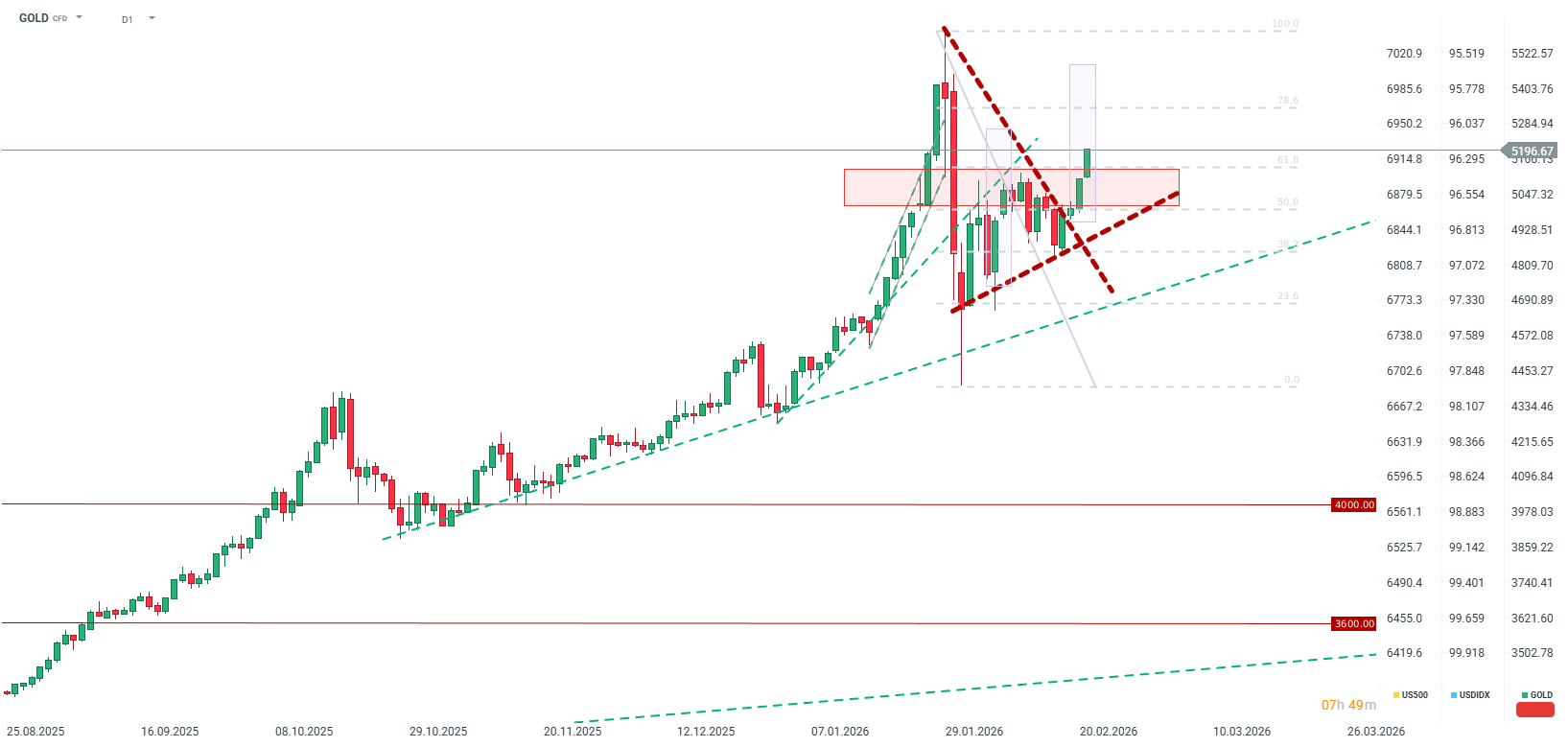
Financial markets reacted swiftly to the escalating trade war. Gold prices surged nearly 2%, approaching $5,200 per ounce, as investors sought safety amid the transatlantic rift. Curiously, the EURUSD pair and European equity indices remained relatively stable, suggesting that markets may still be struggling to price in the full complexity of the "tariff-upon-tariff" scenario.
The coming weeks will be decisive. While the US House of Representatives recently passed a resolution rejecting tariffs on Canada—indicating growing domestic opposition—Mr. Trump appears undeterred. For European exporters, the risk of a doubled tariff burden remains the primary threat to the 2026 economic outlook.



📊Market Wrap: Europe Rebouns Despite Higher Oil and Dollar (12.10.2026)


Chart of the Day: Will the RBI's bold regulatory package rescue the rupee? (12.10.2026)


Economic Calendar: Where will stock exchanges remain closed today? (12.10.2026)


Morning Wrap: Oil cheaper despite attacks on Saudi Arabia, markets await CPI (12.10.2026)