



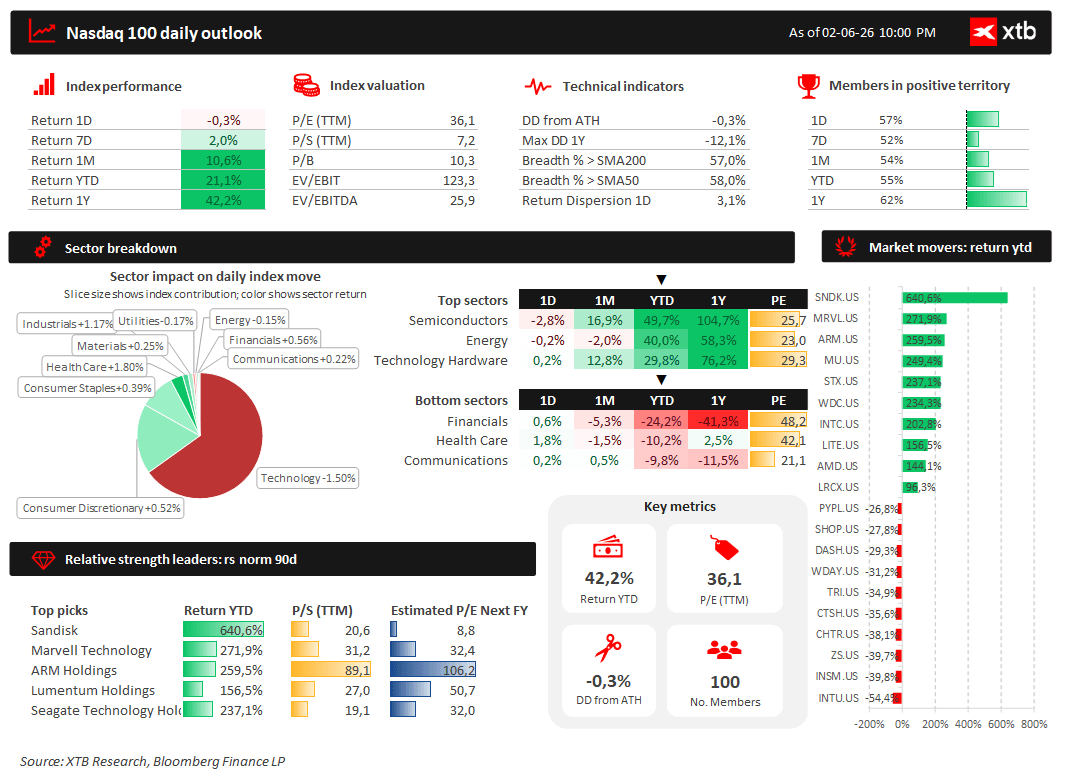
Tech markets have been rocked by reports that officials from the Donald Trump administration have held preliminary talks with top artificial intelligence developers regarding the possibility of the government taking equity stakes in these companies. According to media reports, the discussions are at a very early stage and do not involve forced takeovers, but rather the potentially voluntary transfer of a portion of shares to the state. Mechanisms are also being considered through which profits from such investments could be used for public purposes, including potential dividend payouts to American households.
AI as an Increasingly Strategic Economic Sector
The emergence of such ideas is no coincidence. Artificial intelligence is currently becoming one of the most critical battlegrounds for economic and technological competition between the United States and China. In recent weeks, the Trump administration has tightened its oversight of the AI sector, including a requirement for advance access to the most advanced models prior to their public deployment. Concurrently, Congress is working on developing a more uniform regulatory framework for the industry.
OpenAI and Anthropic IPOs Could Shift the Balance of Power
These discussions coincide with preparations for potentially the largest stock market debuts in recent years. Both OpenAI and Anthropic are gearing up to go public, which could translate into multi-billion dollar valuations for the entire sector. According to reports, the idea of state participation was discussed by OpenAI CEO Sam Altman, among others, who has long pointed out the need to create mechanisms that allow for a broader sharing of the benefits stemming from AI development.
What is Behind the Idea of a Public AI Wealth Fund?
Proponents of this approach argue that because AI development relies on the collective knowledge, data, and achievements of society as a whole, a portion of the generated profits should flow back to its citizens. Public debate is increasingly featuring concepts of sovereign wealth funds funded by AI growth, resembling models used in the commodities sector. Similar proposals are being put forward by both tech industry representatives and some politicians, who stress the need to prepare the economy for the potential impact of labor market automation.
Market Fears Creeping State Intervention
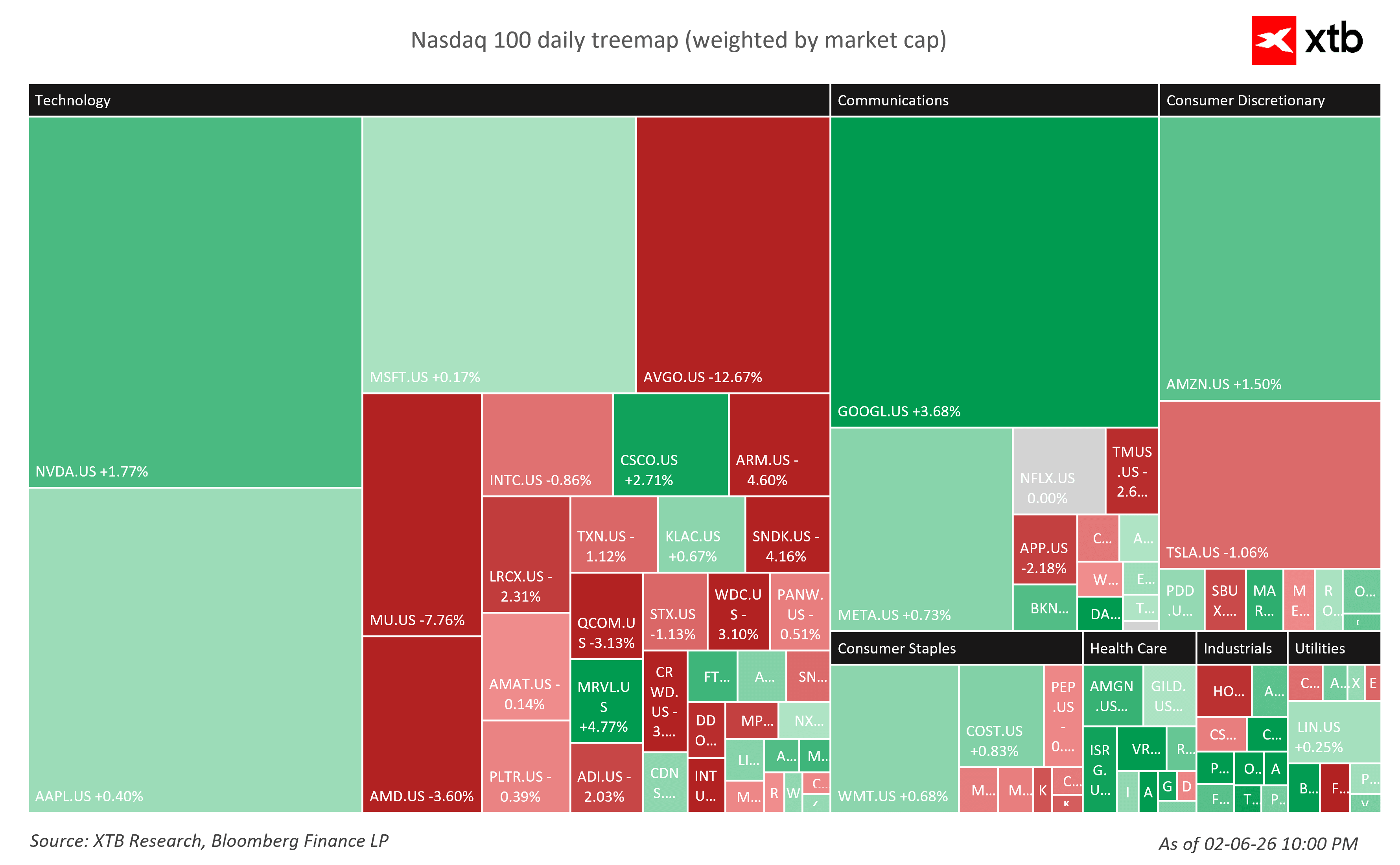
Although the talks are currently informal, the news itself has sparked intense debate among investors. A segment of the market fears that greater state involvement could lead to heavier regulation of the sector, restricted operational freedom for companies, and potential political influence over business decisions. On the other hand, supporters argue that artificial intelligence could become infrastructure of a significance comparable to energy, telecommunications, or the defense industry, which would justify a greater state presence in the field.
More Questions Than Answers For Now
Currently, there is no official draft legislation or concrete implementation plan for this idea. All that is known is that the administration is analyzing various scenarios regarding the future of the AI sector and ways to distribute the benefits of its growth. However, the mere fact that such talks are taking place demonstrates that Washington is moving away from viewing artificial intelligence solely as an innovative technology, and increasingly treating it as a strategic state asset that could prove vital to the future economic standing of the United States.



Market Wrap: A 4% surge in oil prices weighs on indices (08.10.2026)


🚩 Caterpillar shares extend decline, down 30% from record high


Webull shares down 20% amid fears over potential China ties



US Open: Wall Street in the Red 🚩 Nasdaq Falls 1% From Record Highs, Constellation Brands Back at March 2020 Level