



Michael Burry published another update of his portfolio on September 9. Are the latest changes merely routine risk management, or part of a bigger move?
From the position changes, one can first infer a moderate but clearly visible decline in Burry’s confidence regarding the direction of his previous forecasts. A noticeable reduction can be seen in short positions against broadly defined technology companies, closely tied to AI.
On his social media profiles, he justified the decision by saying he wanted to limit the loss of option value caused by the passage of time.
- He still maintains “put” bets on Palantir and the QQQ fund with expirations in 2027.
- Burry’s largest long positions remain Lululemon, Molina Healthcare, and MercadoLibre.
- On the bearish side, Oracle, Palantir, and Nebius dominate. Smaller positions, also “puts,” include Nvidia and a semiconductor-sector ETF.
- Burry did not disclose current percentage allocations or the size of the reductions.
Better late than never
Without engaging in excessive criticism, Michael Burry’s portfolio is an interesting case study in several respects. The first is his large exposure to Lululemon. Burry was already openly investing in the company in Q2 2025. The stock was about 50% off its peak at the time, which could have implied an opportunity.
By watching this position, you can quickly realize that:
- If a stock is cheap, there may be a good reason for it
- Even if a stock is cheap, it can get much cheaper
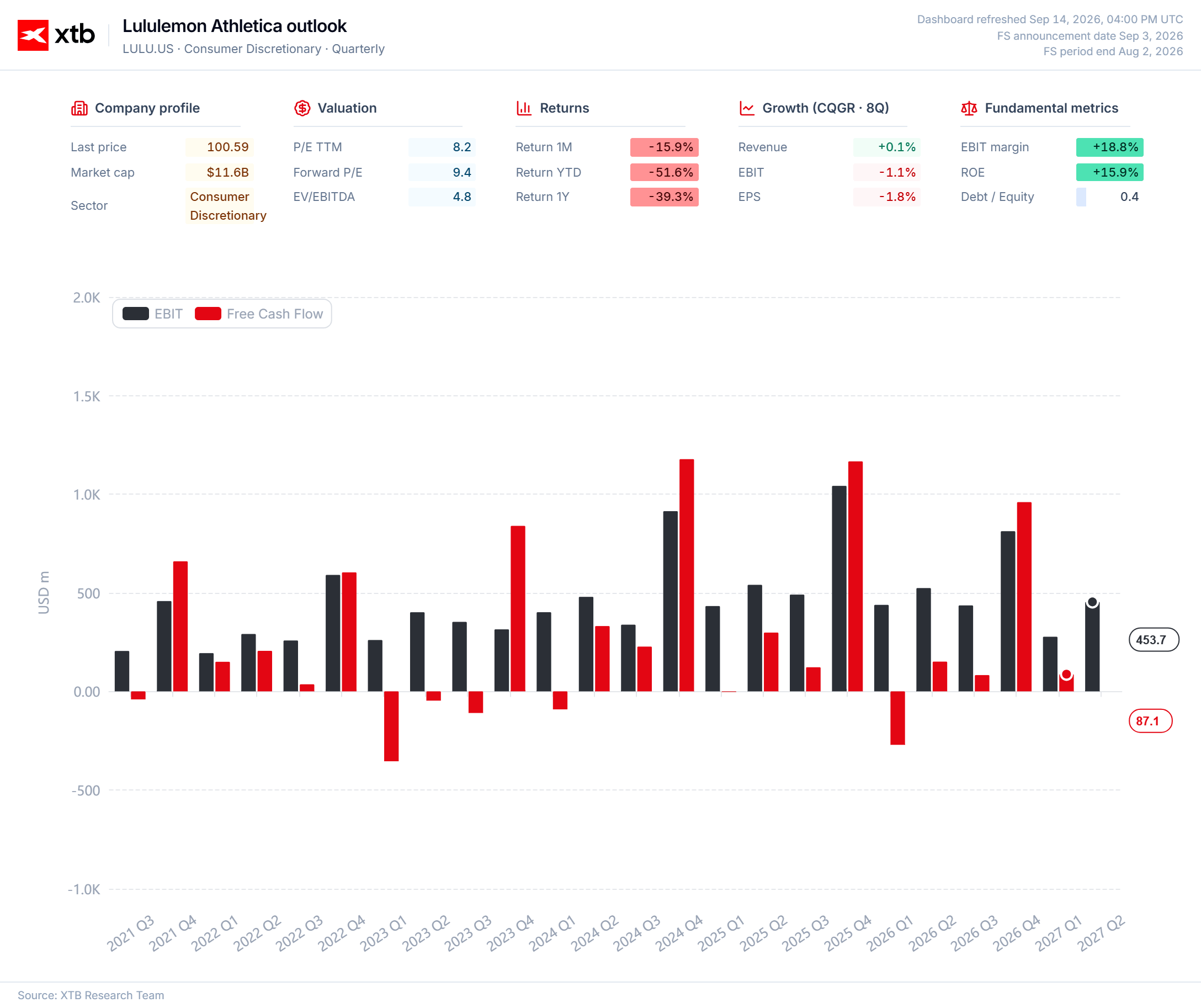
Burry argues that Lululemon has prospects for a spectacular comeback, comparing it to companies like Abercrombie & Fitch or Ralph Lauren. The firm’s trajectory, both fundamentally and in terms of price action on the chart, remains strongly downward. The investor is not blind to the facts, however, and has acknowledged the company’s worsening outlook.
The other side of the lineup is much more interesting. Palantir and Nvidia are classified as “hyper-growth” companies due to the exponential pace of revenue growth while maintaining high margins. Burry’s major mistake in these cases was suspecting accounting fraud where no evidence could be established, rather than admitting to at least a partial error.
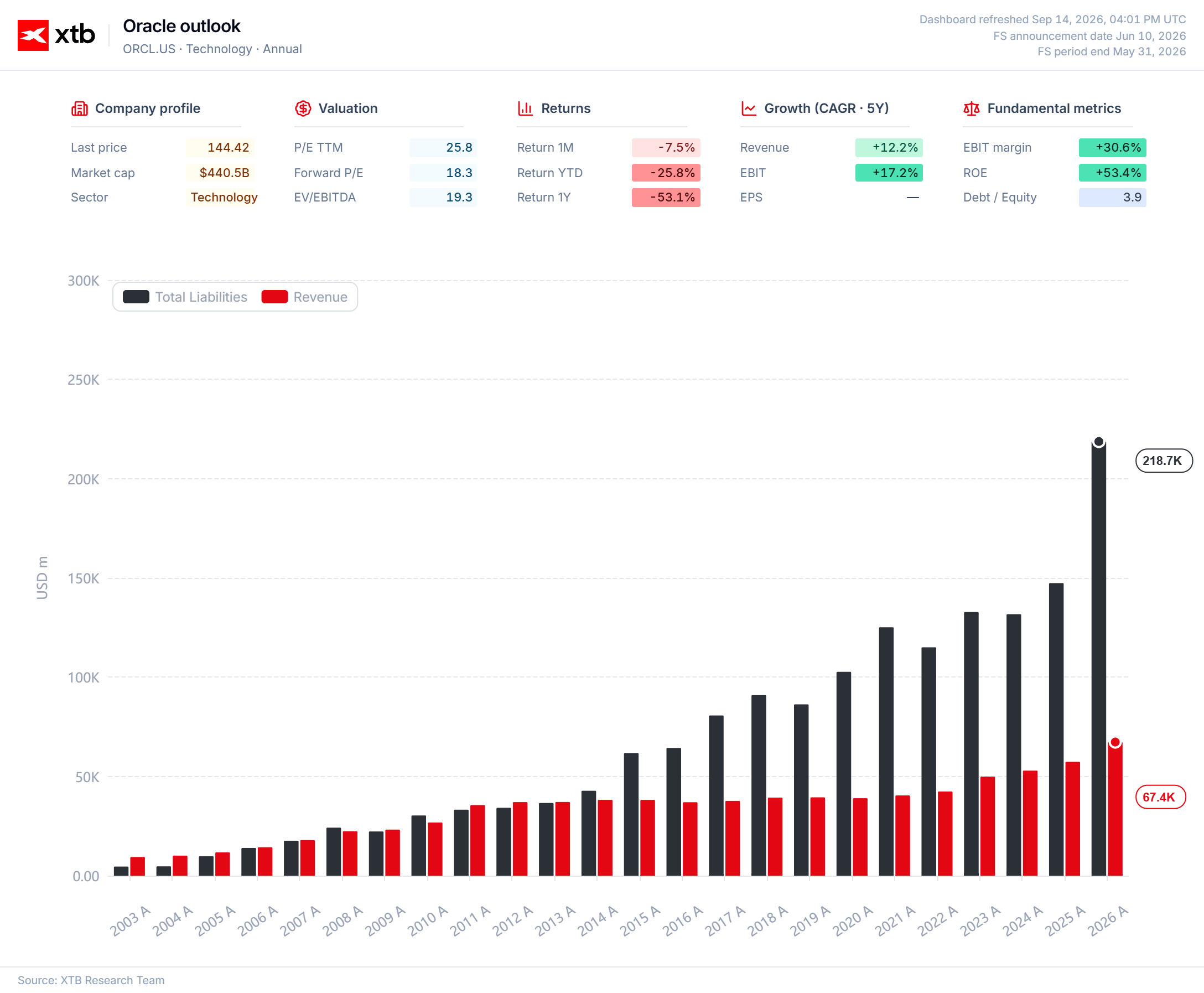
Oracle and Nebius offer another lesson. As Burry points out, these companies have a real problem with debt levels and the scale of amortization and depreciation. The issue is that Burry’s thesis for these stocks depends on a fairly extreme risk scenario materializing, without outlining verifiable paths that would lead to it.
Conclusions
In Burry’s new positioning, one could see signs of capitulation and, going a step further, an approaching valuation “peak” followed by a crushing repricing. That interpretation would be far too radical. The portfolio rebalance currently points to caution and concern toward the technology sector, while recognizing that market momentum remains opposed to the bearish thesis and that any fundamental factors that could justify a correction are not yet acting as a catalyst for a shift in sentiment. At the same time, on the “growth” side, an experienced investor, even one with strong faith in a company’s management, cannot ignore consistently weak results that run counter to the scenario being priced in.
Reducing both long and short positions can be interpreted as increasing flexibility amid uncertainty. Selling part of the put positions also highlights the importance of timing: even a correct assessment of overvaluation can lead to a loss if the sell-off happens after the contracts expire.



US Open: Further declines on Wall Street, Brent above 111 USD, AI correction continues (14.10.2026)


Market Wrap: "Decent" results are not enough – tech stocks fall further; oil highest since May (22.10.2026)


Tesla was supposed to burn $5 billion, but posted a positive result. Will Tesla still be a car company in a year?


Record-breaking Meta, though with a cash loss. Investors (for now) are buying Zuckerberg's plan anyway