


NVIDIA on the Verge of a Breakthrough in China’s AI Market
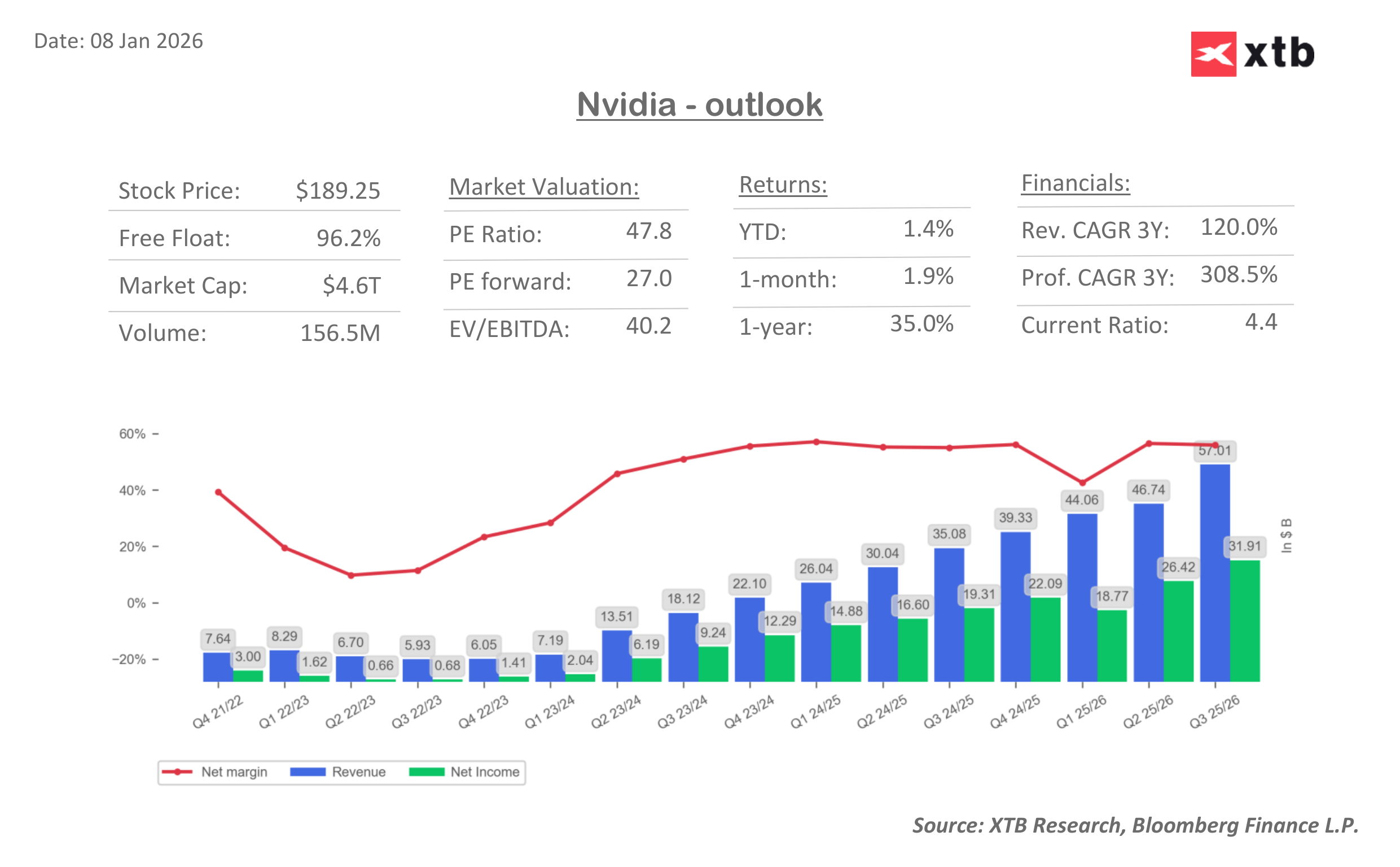
NVIDIA is approaching a potentially transformative moment in the Chinese AI market. Beijing is preparing to approve the import of H200 chips for selected commercial applications as early as the first quarter of 2026. While the decision excludes military units, critical infrastructure, and state-owned enterprises, it opens one of the world’s largest markets to American AI hardware. This represents both a significant boost to NVIDIA’s revenues and potential upside for its stock in the short and long term.
Enormous Potential of the Chinese Market
China is not only home to a vast base of AI users but also to some of the largest domestic technology companies. Conglomerates such as Alibaba and ByteDance have already expressed interest in purchasing over 200,000 H200 chips each to accelerate the development of their own AI models and keep pace with U.S. competitors.
NVIDIA has confirmed that demand from China is extremely high, and licensing applications are close to approval on the U.S. side. The H200 chips from the Hopper generation are permitted for export, unlike newer generations such as Blackwell and Rubin, making them a crucial product for Chinese companies.
According to CEO Jensen Huang, the Chinese AI market could generate $50 billion annually, which corresponds to nearly 1.85 million H200 chips at a unit price of $27,000. NVIDIA currently holds orders for more than 2 million H200s, which at unit prices ranging from $25,000 to $35,000 could translate into annual revenues between $50 billion and $70 billion.
Financial Safeguards for NVIDIA
To protect against regulatory risks, NVIDIA requires full upfront payment for Chinese H200 orders. Cancellation or configuration changes are virtually impossible, with only collateral or insurance accepted in exceptional cases.
This policy mitigates risk, particularly as Beijing continues to support the development of domestic chips and has temporarily restricted some purchases in favor of local manufacturers such as Huawei and Cambricon.
Geopolitical Context
Opening the Chinese market is a huge financial opportunity for NVIDIA but does not signal any easing of tensions between the U.S. and China. Beijing continues to invest in domestic technology and seeks to reduce reliance on American chips.
Despite the efforts of local producers, Chinese chips remain several years behind U.S. solutions. The largest Chinese companies still need to purchase NVIDIA’s most advanced chips to stay competitive in the AI race.
Demand and Revenue Forecasts
Chinese companies have placed orders for hundreds of thousands of H200 chips. Once imports are fully approved, the market could generate $40–50 billion in annual revenue. However, full upfront payments and the 25 percent U.S. export fee will affect margins.
Strong demand combined with limited chip supply creates a favorable scenario for both NVIDIA’s revenues and the potential appreciation of its stock.
Impact on Investors
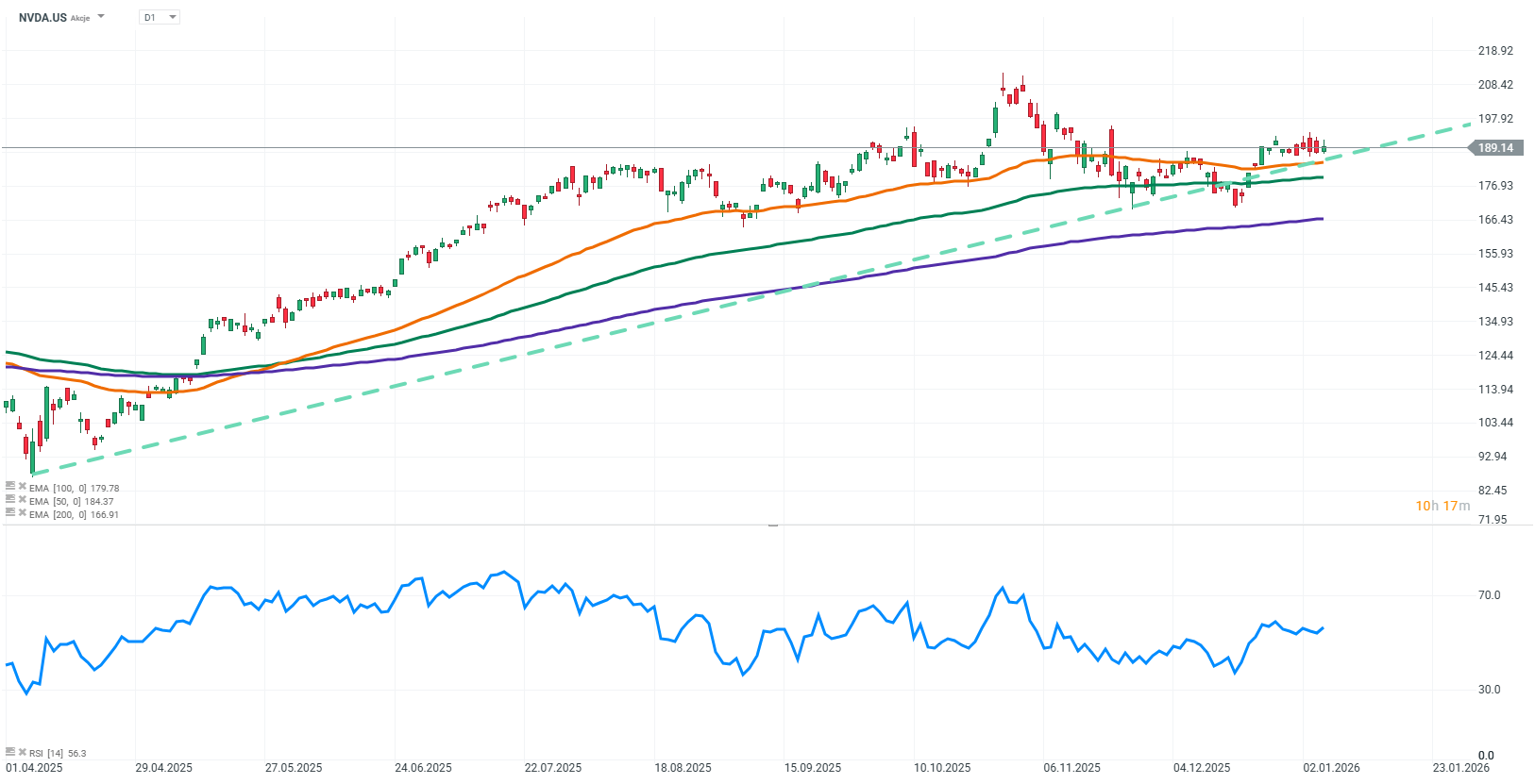
The direct impact on NVIDIA’s revenues means the Chinese market could become one of the company’s main sources of income in the coming quarters. Large orders and limited chip supply may positively influence the company’s valuation in both the short and long term. Investments by Chinese companies in data centers underscore the strategic importance of AI chips globally.
Key Takeaways
-
Opening the Chinese market for H200 chips represents a major financial opportunity for NVIDIA, with potential revenues in the tens of billions of dollars annually.
-
Despite these financial opportunities, geopolitics continues to affect business. China will keep supporting its domestic technologies and work to reduce reliance on the U.S.
-
The largest Chinese companies still rely on the latest chips from abroad to remain competitive in the AI race.
- A unique strategic situation emerges: massive profits for NVIDIA, accelerated AI development in China, and ongoing tensions coupled with Chinese dependence on American chipmakers.


US OPEN: Preparations for Tesla's mega-merger with SpaceX. Diplomatic stalemate with Iran cools Wall Street's enthusiasm

Meta Preview: Billions in AI spending, but when will the investments start paying off?

Tesla Preview: Will Robotaxis Save Earnings?

Supermicro Raises Forecast by $4 Billion as AI Server Demand Once Again Surprises the Market