


The United States is pressuring Germany and France to release part of their diesel reserves. According to media reports, Washington expects Europe to release around 120 million barrels of fuel onto the market over the next six months. If European countries fail to increase supply, the US could decide to restrict diesel exports.
The situation is particularly interesting because only recently it was US refineries helping Europe make up for fuel shortages. US diesel exports rose more than 20% year on year to around 1.3 million barrels per day. American refineries were sending increasing volumes of fuel abroad, including to Europe, which needed new sources of supply after cutting Russian imports. As a result, US diesel inventories fell to their lowest seasonal level in more than four decades.
Now the bill for that policy is starting to come due. US fuel inventories are getting tighter, so Washington is considering restricting exports. At the same time, it expects Europe to open its own storage facilities and release tens of millions of barrels of diesel onto the market. It is hard to find a clearer example of how a domestic supply problem can be partly shifted onto allies.
The scale of the request is significant. Germany holds around 5.6 million tonnes of diesel, while France holds around 8.2 million tonnes. Together, the two countries account for roughly 35% of Europe’s emergency reserves. These are inventories that were built precisely to give Europe a buffer when the market faces a serious supply disruption.
Washington now wants Europe to use those reserves. At the same time, the US could reduce its own exports, cutting off a source of fuel that has helped the European market in recent months. From Europe’s perspective, that is hardly a comfortable arrangement. It is being asked to increase supply from its own storage facilities while one of its most important suppliers is considering reducing deliveries.
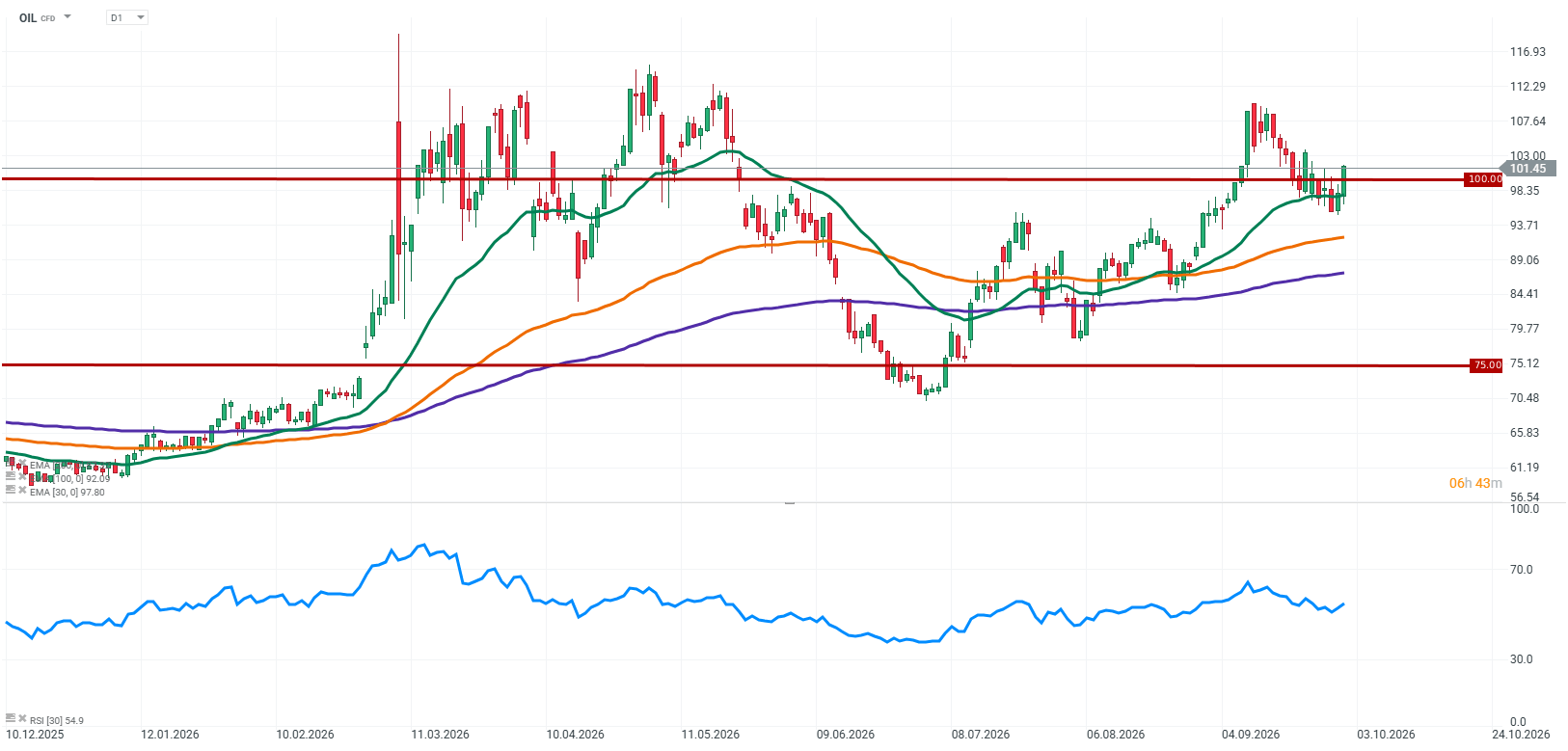
This could also have a meaningful impact on diesel prices. According to estimates, a reduction in US exports could push European diesel prices higher by around 2% per week. Releasing European reserves would partly ease the pressure, but it would also mean using up emergency inventories at a time when the risk of further supply disruptions remains high.
Europe does not have an especially large safety margin to begin with. After moving away from Russian supplies, it increased fuel imports from other sources, with US refineries becoming one of the more important suppliers. Now the same market that helped Europe make up for shortages could restrict exports just as the problem has shifted to the other side of the Atlantic.
For the US, this is clearly an attempt to protect its domestic market. Low inventories and high fuel prices are problems the administration cannot ignore. For Europe, however, it means having to adjust to American supply pressures at a time when the continent itself remains exposed to elevated energy risks.
The striking part is that part of the solution to the US problem is supposed to come from diesel sitting in European storage facilities. The US increased exports when Europe needed fuel. As American inventories started to fall, pressure emerged to restrict those exports. Now Europe is also being asked to open its own reserves.
The fuel market is showing a very simple dynamic. When supply gets tight, every producer and importer starts thinking first about its own market. The US is reaching that point. Europe will now have to decide how much it is willing to draw down its own safety buffer in response.
Washington therefore wants more diesel to stay in the United States while also asking Europe to put more of its own diesel onto the market. For Europe, that means using its reserves at a time when US export policy could further reduce available supplies. This is no longer just a problem of diesel prices in the US. It is increasingly becoming a problem for the global fuel market.
Source: XTB Research



Daily Summary: SpaceX and the tech sector drive Wall Street, oil retreats sharply below $97


📉NATGAS loses 6% ahead of rollover


Russia is selling off gold reserves. Why, to whom, and does it matter for the market?

BREAKING: US oil inventories fall more than expected, but distillate build cools enthusiasm