ALUMINIUM

Trade ALUMINIUM CFD

Past performance is not necessarily indicative of future results, and any person acting on this information does so entirely at their own risk.

Fees

Less costs, more investments

Competitive fees

Trade with leverage and keep costs low

Free deposits and withdrawals

Manage funds without costs using selected payment methods

Free account opening

Complete the process in 15 minutes without unnecessary formalities.

Learn

What is CFD trading?

New to CFDs? Learn how CFD trading works and how you can trade on both rising and falling prices without owning the underlying asset. We explain the basics, financial leverage, potential benefits and risks in simple terms.

Read the Beginner’s Guide

Create an account

Open your XTB account in just a few simple steps. Get access to global markets and a wide range of investment opportunities.

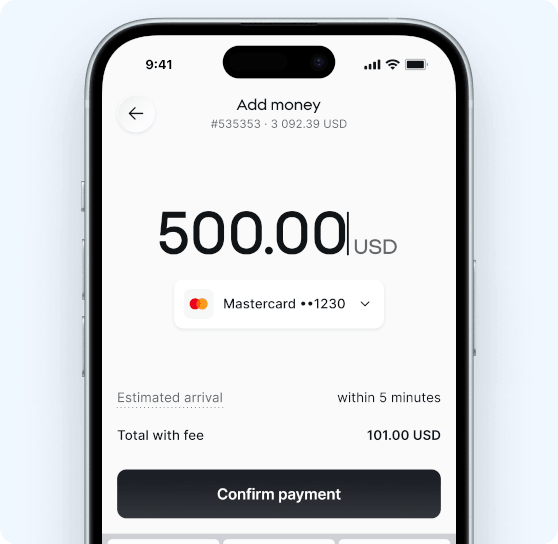
Make a deposit

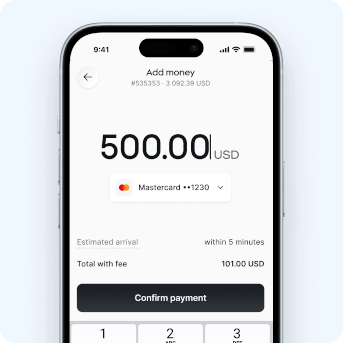
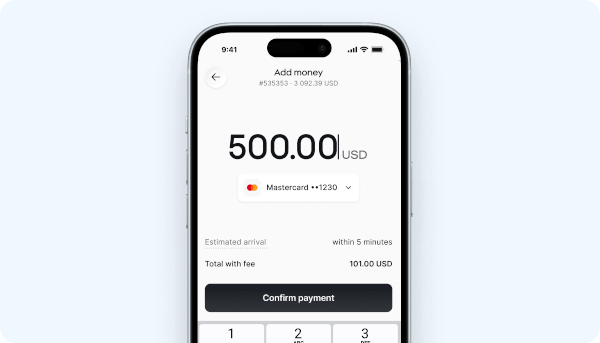
Add funds to your account using one of the available payment methods. Once your funds are available, you’re ready to start investing.

Trade ALUMINIUM

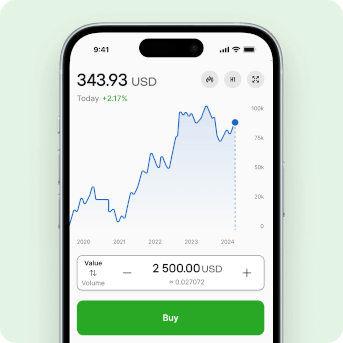
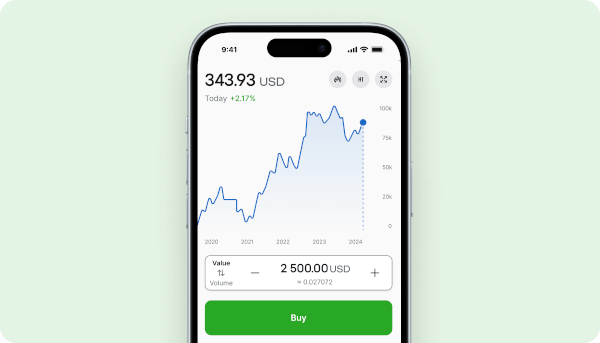
Find ALUMINIUM in XTB App, choose how much you want to invest and place your order. Start building your portfolio on your terms.

And make your money work in many ways

Explore more ways to put your money to work - from global stocks, ETFs and more. Discover Investment Plans while you wait for your next investment opportunity.

Popular in the markets

Most traded CFDs

Discover where CFD traders are most active. Explore some of the most traded CFDs across global markets and see which instruments are in focus.

News

Keep your finger on the pulse with our latest market news

We are regulated by leading financial regulatory authorities across multiple markets worldwide.

About instrument

Trade ALUMINIUM CFD

Aluminium is one of the most versatile and widely used metals globally, playing a critical role in various industries, including construction, transportation, packaging, and electronics. Its lightweight, corrosion-resistant, and highly conductive properties make it indispensable for numerous applications.

Through XTB's platform, investors can trade Aluminium using contracts for difference (CFDs), based on spot interbank aluminium transaction prices. CFD is one of the most dynamic and risky investment methods. Aluminium's price volatility is influenced by factors such as global supply and demand, energy prices, and geopolitical events. It may also be a procyclical commodity, due to applications in the electronic and aerospace industry. 

Learn more about CFD investing at XTB

Factors Influencing Aluminium Prices

  1. Global Supply and Demand: The balance between global aluminium production and consumption significantly impacts prices. Increased demand or supply disruptions can lead to price fluctuations.
  2. Energy Prices: Aluminium production is energy-intensive. Changes in energy prices, particularly electricity, directly affect production costs and aluminium prices.
  3. Geopolitical Events: Political instability, trade policies, and sanctions can disrupt supply chains, affecting aluminium availability and pricing. 
  4. Economic Cycles: Economic expansions and recessions influence industrial demand for aluminium, causing price changes based on economic activity levels.
  5. Technological Advancements: Innovations in aluminium production and new applications can alter demand dynamics, impacting a long term price trend.

Trading Venues and Pricing Determinants

Historical Insights

  • Discovery and Development: Aluminium was discovered in the early 19th century, but it wasn't until 1886 that Charles Martin Hall and Paul Héroult developed an economical extraction process, revolutionizing its availability.
  • World War II Role: Aluminium was crucial during WWII for aircraft, vehicles, and military equipment due to its lightweight and strong properties, significantly contributing to the war effort.
  • Industrial Demand: The majority of aluminium's demand comes from industrial applications, including construction, automotive, and aerospace sectors.
  • Environmental Benefits: Aluminium is highly recyclable, with 75% of all aluminium ever produced still in use. Recycling requires only 5% of the energy needed to produce new aluminium from ore.
  • Investment Performance: Aluminium's widespread industrial use and demand for lightweight materials make it a compelling choice for investors, despite its price volatility.

Aluminium is traded on several global commodity exchanges, including the Shanghai Futures Exchange (SHFE), London Metal Exchange (LME), and the Chicago Mercantile Exchange (CME). Its extensive use in industrial applications causes price fluctuations based on economic cycles and technological advancements.

  1. Market Research: Thoroughly understand the market by researching production and inventory data to assess global aluminium demand and supply balance.
  2. Diversify Investments: Use aluminium as a tool for portfolio diversification rather than the sole investment.
  3. Investment Timeline: Decide whether aluminium aligns with your short-term or long-term investment goals before investing.
  4. Risk Evaluation: Choose an investment method that matches your risk tolerance and investment objectives.

Trading Hours

The best time to trade aluminium typically aligns with high market activity and liquidity periods. The London Metal Exchange (LME) is the primary global trading venue for aluminium, with trading hours from 1:00 AM to 7:00 PM GMT. The most active trading occurs during the overlap of the European and U.S. sessions, between 12:00 PM and 4:00 PM GMT, providing the best liquidity and tighter spreads for trading aluminium CFDs.

Aluminium - The Most Important Data

  1. World Bureau of Metal Statistics (WBMS) Report: Provides comprehensive data on global aluminium production, consumption, and stocks.
  2. International Aluminium Institute (IAI) Report: Offers detailed information on production, capacity, and usage trends.
  3. LME Inventory Reports: Tracks the levels of aluminium stored in LME-approved warehouses, indicating supply and demand balances.
  4. China Non-ferrous Metals Industry Association (CNIA) Data: Essential for understanding the largest aluminium market's production and consumption trends.
  5. U.S. Geological Survey (USGS) Mineral Commodity Summaries: Provides insights into global production, reserves, and the overall aluminium market.

Margin

1.50%

Leverage

67

Commission

-

Market hours

8:30 am - 7:30 pm

Interesting Facts

What to know before investing in ALUMINIUM

Historic Market Bubbles: During the 1980s, the aluminium market experienced several significant price bubbles driven by a combination of overproduction, and speculative trading. As producers increased output in anticipation of continued demand growth, supply began to exceed actual market needs, leading to large inventories of aluminium.


Biggest Producers: China is by far the world's largest producer of aluminium, accounting for more than half of global production due to its extensive smelting capacity and strong manufacturing sector. The country's dominance is supported by high domestic demand from industries such as construction, transportation, and electronics. 

Technological Applications: Aluminium is an essential material in modern technology because of its excellent electrical conductivity, and  corrosion resistance. It is widely used in the production of smartphones, laptops, tablets, and other electronic devices, where it provides strong yet lightweight casings that improve portability.

Recycling Milestones: Aluminium recycling began in the early 20th century as industries recognized the value of reusing scrap metal rather than producing new aluminium from raw materials. Over time, advances in recycling technology made the process more efficient and economically viable.

Architectural Landmarks: Aluminium has become a key material in modern architecture due to its lightweight strength, corrosion resistance, and durability. It is  used in the construction of iconic buildings such as the Empire State Building and the Burj Khalifa, where it is incorporated into curtain walls, window frames, and roofing systems.

FAQ

Do you have more questions?

Find answers to our most commonly asked questions. Still have a question? Please contact our customer support team.

Aluminium's versatility and essential role in various industries make it a valuable commodity for portfolio diversification, offering exposure to the industrial sector and economic fluctuations.

Aluminium investment can hedge against industrial demand fluctuations and diversify your portfolio. Its extensive applications in construction, automotive, and aerospace make it a critical material.


Aluminium CFDs are contracts between an investor and a CFD broker to settle the difference in aluminium's value during the contract. In XTB, Aluminium prices are based on spot interbank market. They allow investors to leverage their positions and benefit from price movements in both rising and falling markets.


Assess the current market price, the form of aluminium invested in, and associated fees or expenses. Monitoring the aluminium price through financial news websites or online broker platforms like XTB xStation is crucial.


Aluminium CFDs can be traded almost around the clock, Monday through Friday, thanks to their derivative nature. This flexibility allows trading outside regular market hours, unlike physical aluminium.

It is not possible to determine the "best" commodity to invest in, as the performance of different commodities can vary significantly depending on a wide range of factors. Some common commodities that are traded on the financial markets include oil, gold, and agricultural products.

It is possible for the individuals to speculate on the price of the commodities through e.g. commodity based instruments - such as CFDs and futures contracts or purchasing physical meterials.

It is not possible to determine a "top" commodity, as it depends on a wide range of factors, but top five commodities by global trade volume are: Oil, Natural Gas, Gold, Silver and Copper. However, the popularity of different commodities can vary depending on regional and global economic conditions.

The financial instruments we offer, especially CFDs, can be highly risky. Fractional Shares (FS) is an acquired from XTB fiduciary right to fractional parts of stocks and ETFs. FS are not a separate financial instrument. The limited corporate rights are associated with FS.
This page was not created for investors residing in Brazil. This brokerage is not authorized by the Comissão de Valores Mobiliários (CVM) or the Brazilian Central Bank (BCB). The content of this page should not be characterized as an investment offer in Brazil or for investors residing in that country.
Losses can exceed deposits