GBP/JPY

Trade GBP/JPY CFD

Past performance is not necessarily indicative of future results, and any person acting on this information does so entirely at their own risk.

Fees

Less costs, more investments

Competitive fees

Trade with leverage and keep costs low

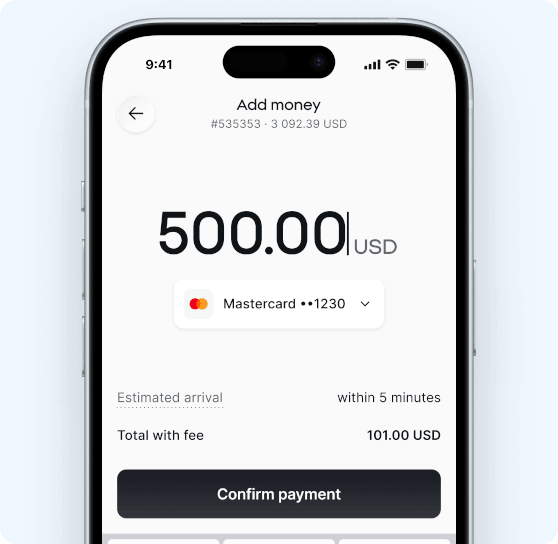
Free deposits and withdrawals

Manage funds without costs using selected payment methods

Free account opening

Complete the process in 15 minutes without unnecessary formalities.

Learn

What is CFD trading?

New to CFDs? Learn how CFD trading works and how you can trade on both rising and falling prices without owning the underlying asset. We explain the basics, financial leverage, potential benefits and risks in simple terms.

Read the Beginner’s Guide

Create an account

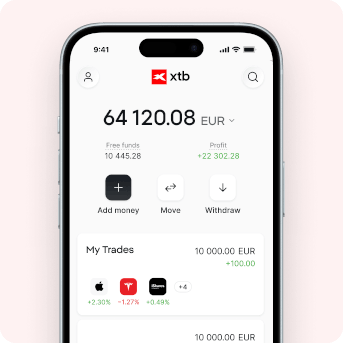
Open your XTB account in just a few simple steps. Get access to global markets and a wide range of investment opportunities.

Make a deposit

Add funds to your account using one of the available payment methods. Once your funds are available, you’re ready to start investing.

Trade GBP/JPY

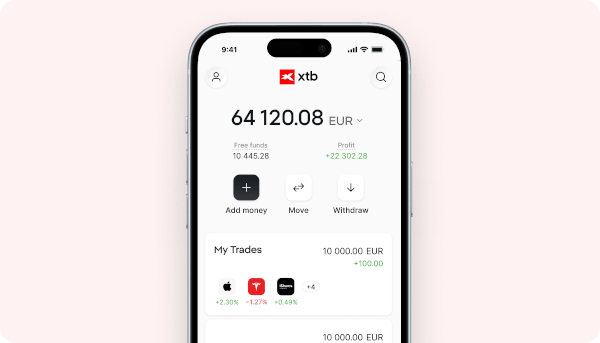
Find GBP/JPY in XTB App, choose how much you want to invest and place your order. Start building your portfolio on your terms.

And make your money work in many ways

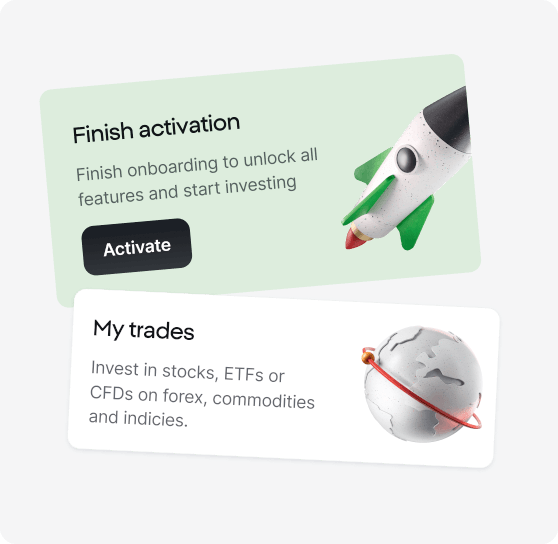
Explore more ways to put your money to work - from global stocks, ETFs and more. Discover Investment Plans while you wait for your next investment opportunity.

Popular in the markets

Most traded CFDs

Discover where CFD traders are most active. Explore some of the most traded CFDs across global markets and see which instruments are in focus.

News

Keep your finger on the pulse with our latest market news

We are regulated by leading financial regulatory authorities across multiple markets worldwide.

About instrument

Trade GBP/JPY CFD

The GBP/JPY currency pair is a significant forex instrument that reflects the exchange rate between the British Pound (GBP) and the Japanese Yen (JPY). The pair is well known for its historical volatility. Historically, the GBPJPY has shown significant price swings, making it a favourite among traders and funds which thrive on volatility. The pair's movements are often influenced by economic data releases, geopolitical events, and central bank policies from both the UK and Japan.

Learn more about CFD investing at XTB

 For instance, a sudden change in the Bank of England's interest rate policy or unexpected economic data from Japan can lead to sharp movements in the pair. This volatility provides ample trading opportunities but also requires a robust risk management strategy. For example, while Bank of Japan is known for its extremely  ‘dovish’ policy, affecting yen. The Bank of England raised rates more than 10 times since 2021 to 2023, while BoJ did it just once. In the effect, GBPJPY pair rallied since 2021.

Both the UK and Japan are major developed economies with unique economic fundamentals. The United Kingdom, as a financial hub and a prominent player in global trade, has a diversified economy driven by services, manufacturing, and finance. Historically, the UK has been known for its innovation and technological advancements, contributing to its economic resilience. The Bank of England (BoE) plays a crucial role in the UK's monetary policy, influencing interest rates and economic stability through its policy decisions.

  • Japan, on the other hand, is renowned for its advanced technology, strong manufacturing base, and export-oriented economy. The country has a highly skilled workforce and a culture of continuous improvement (Kaizen) in manufacturing processes. 
  • The Bank of Japan (BoJ) implements monetary policies aimed at maintaining price stability and supporting economic growth. Over the decades, Japan has faced challenges such as deflationary pressures and an ageing population, influencing its policy decisions and economic outlook.

    The GBP/JPY pair is widely traded by investors and traders looking to capitalize on the economic dynamics between the United Kingdom and Japan. Understanding GBP/JPY requires insight into both economies, their monetary policies over recent decades, and factors influencing volatility.’

  • Trading GBP/JPY requires awareness of the best times to engage in the market. The most active trading hours for GBP/JPY typically occur during the overlap of trading sessions between London and Tokyo. This overlap occurs from around 08:00 to 12:00 GMT, as traders from both regions are actively participating, leading to increased liquidity and potentially greater price movements.

Volatility in the GBP/JPY pair can be influenced by a variety of factors. Economic indicators such as GDP growth rates, inflation data, and employment figures from both the UK and Japan play a crucial role in shaping market sentiment. Monetary policy decisions by the BoE and BoJ, including interest rate changes and quantitative easing programs, can significantly impact the exchange rate. Directly, central banks intervention on the open, global currency market may affect the pair as well.

Political events, trade relations, geopolitical conflicts and global economic conditions also contribute to volatility in the currency pair, as market participants assess risk and adjust their positions accordingly. Understanding the GBPJPY currency pair involves analysing economic fundamentals, monetary policies' relation, and unique factors impacting the cycle of both UK and Japan economies. By staying informed about these dynamics and trading during optimal hours, investors and traders can make informed decisions in the dynamic forex market landscape.

The EUR/USD pair is widely traded using contracts for difference (CFDs), which are derivative instruments that allow traders to speculate on the price movements. CFD trading allows traders to take both long and short positions on the EUR/USD pair, meaning they can profit from both rising and falling prices. However, it's important to be aware of the associated risks, including high leverage, which can magnify both gains and losses. It's recommended that traders have a solid understanding of CFD trading and risk management strategies before investing in the EUR/USD pair.

EUR/USD trading via contracts for difference (CFDs) is one of the investment options offered by XTB.


Standard Transaction Spread

0.026

Margin

0.20%

Leverage

500

Commission

-

Market hours

24 h from Sunday 11:00 pm to Friday 10:00 pm CET

Interesting Facts

What to know before investing in GBP/JPY

Lost Decade: In the early 1990s, Japan faced prolonged economic stagnation and deflation, known as the so-called 'Lost Decade'. The Bank of Japan responded with extremely accommodative monetary policies to stimulate the economy.

Zero Interest Rates Policy: In 1999, the BoJ introduced the Zero Interest Rate Policy, reducing short-term interest rates to near zero to combat deflation and encourage borrowing. In 2001, it began quantitative easing by purchasing government bonds and other financial assets.

Japan's Technological Prowess: Japan is a global leader in electronics, automotive manufacturing, and robotics, driving its export-oriented growth. The UK benefits from its position as a global financial centre, with the City of London as a hub for banking, insurance, and investment services.

Demographic Challenges: Japan faces an ageing population and declining birth rates, prompting policies to encourage workforce participation among women and older individuals. The UK faces uncertainties related to its relationship with the EU post-Brexit.

Economic Indicators and Market Sentiment: During global economic uncertainty, the yen strengthens as a safe-haven currency, while the pound may weaken. In a risk-on environment, the pound gains strength against the yen. Traders use the GBPJPY pair as a barometer for global risk sentiment.

Historical "Carry Trade" Popularity: The GBP/JPY pair has historically been popular for carry trade strategies, where traders borrow yen at low interest rates to invest in higher-yielding British assets. This strategy can lead to significant volatility, especially during shifts in interest rate policies between the two countries.

FAQ

Do you have more questions?

Find answers to our most commonly asked questions. Still have a question? Please contact our customer support team.

The price of the GBPJPY pair is influenced by a variety of factors, including the monetary policies of the Bank of England and the Bank of Japan, economic data from both countries, geopolitical events, and overall market sentiment. So called ‘dovish’ (more stimulative and less restrictive) policy of Japanese central bank may lead to Japanese yen depreciation, pressuring GBP/JPY lower. 

Remember also, that central banks such as BoJ sometimes intervene on forex market directly, for example to stop speculative market moves, which may significantly increase the volatility. Traders should remember also, that geopolitics may influence the currency market. For example, while the United Kingdom has in general good diplomatic relations with Europe, Japan in the past faced some problems with Russian or Chinese diplomats.


The best time to trade the GBPJPY pair is during the London and Tokyo trading sessions, particularly during the Asian-European overlap, when liquidity and volatility are highest. Some traders can also ‘bet’ during some events, such as central banks conferences or important economic data released.


The GBP/JPY pair is known for its high volatility due to the economic and political differences between the UK and Japan, as well as the sensitivity of both currencies to changes in global market sentiment and economic data releases. Historically, traders seen for example huge downturn on GBPJPY since 2007 to 2009 currency pair dropped from 250 to 119 level. 

On the other hand since 2020 to 2024, GBPJPY surged from 123 to 203 amid change in Bank of England policy, which pressured by inflation raised rates, while Bank of Japan remained those mostly unchanged affecting spread between monetary policy of the two countries. Since November 2021 to 2024, the BoE increased interest rates 14 times, to 5.25% while BoJ did it just once.


Technical analysis tools such as moving averages, RSI, and Bollinger Bands, as well as fundamental analysis of economic and political news, are useful for trading the GBP/JPY pair. Traders also monitor central bank policies and geopolitical events. Investors and traders should always do their own research before considering trading GBPJPY or any other currency pair.

Economic news events, such as employment reports, interest rate decisions, and inflation data from the UK and Japan, can cause significant movements in the GBPJPY pair due to their impact on market expectations and investor sentiment. The biggest spreads between monetary policy between the two given countries are, the bigger is the potential for long market swings in one direction. But remember, nothing lasts forever and market sometimes make unexpected moves.


It is best to proceed trading in FOREX with proper education - you can start with the Knowledge base we have prepared for you. Once you have the proper knowledge you should open a demo account to get a feel for the market and practice your trading strategy before investing real money. Remember that you can never have to much knowledge and you should constantly educate yourself during your presence on the financial markets.

There is no recipe for success in the FOREX market. However, there are some aspects that will help you become a better trader. Here are some tips: start with demo account (before risking real money - get a feel for the market and practice your trading strategy), develop a trading plan (it's important to have a clear plan in place before starting trading), use risk management tools (manage your risk when trading, through eg. Stop Loss orders), do not overtrade (it's easy to get caught up in the excitement of trading, but it's important to stick to your plan and not overtrade).

Financial markets are a very complex topic, as they are influenced by various factors, such micro- and macroeconomic events, policies or social changes. You should start your trading experience with proper education about the concepts, assumptions and laws that govern the markets - you can start with the Knowledge base we have prepared for you. Once you have the proper knowledge you should open a demo account to get a feel for the market and practice your trading strategy before investing real money. Remember that you can never have to much knowledge and you should constantly educate yourself during your presence on the financial markets.

Yes, FOREX investing can be risky. The value of currencies can fluctuate significantly due to a variety of factors, including economic conditions, political events and market speculation. It is important for individuals to carefully consider their own financial situation and risk tolerance before investing in FOREX.

When choosing a broker, you should consider a number of aspects related to its activity and offer. These things you should definitely consider: credibility of the invesment firm, cost and fees, instruments offered, investment platform, customer support and additional benefits. If you want to learn more about how to choose your broker visit: investresponsibly.com.

When choosing a FOREX platform there are several factors you should consider: platform ownership (proprietary platform are usually designed in the most intuitive way), availability of DEMO account (where you can test your knowledge practice strategies before risking real money), fees (commissions, spreads etc.), access to educational materials and market news . Before commiting to one platform you should carefully consider all above-mentioned aspects, as they will particulary contribute to the effectiveness of your trading.

The financial instruments we offer, especially CFDs, can be highly risky. Fractional Shares (FS) is an acquired from XTB fiduciary right to fractional parts of stocks and ETFs. FS are not a separate financial instrument. The limited corporate rights are associated with FS.
This page was not created for investors residing in Brazil. This brokerage is not authorized by the Comissão de Valores Mobiliários (CVM) or the Brazilian Central Bank (BCB). The content of this page should not be characterized as an investment offer in Brazil or for investors residing in that country.
Losses can exceed deposits