



Microsoft is rebuilding Copilot not to create yet another chatbot, but to develop a tool that can take over part of the work currently performed by people and turn growing AI usage into additional revenue.
The new Copilot combines access to Microsoft documents, applications, and data with agents capable of handling more complex tasks. Autopilot goes a step further. Instead of responding to a single prompt, it can take over a task and work on it for an extended period of time. Copilot is therefore starting to function as a tool that actually performs specific work, rather than simply an assistant that answers questions.
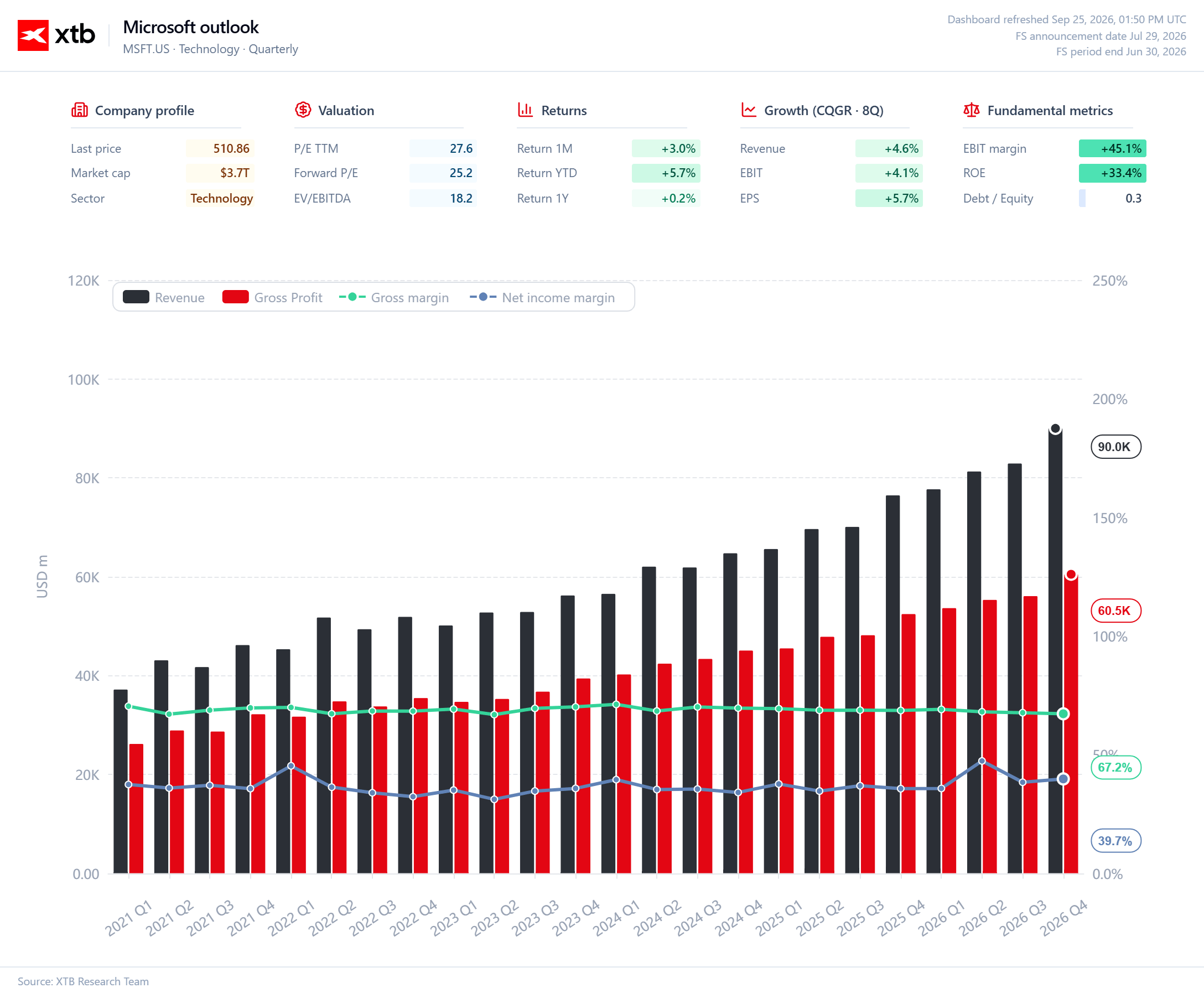
For Microsoft, an important advantage is that all of this takes place within an environment enterprises already know and pay for. Documents, email, calendars, communications, and corporate data are already part of Microsoft 365. This means the company can expand its AI offering without requiring customers to build an entirely new infrastructure around the product.
That creates an opportunity to change the sales model. Microsoft has made money from licenses and subscriptions for years, but with AI it can go a step further by tying part of its revenue to actual usage. Copilot Credits allow certain features to be billed based on consumption. If an enterprise starts handing more and more tasks over to Copilot, its usage and potentially its bill can grow with it.
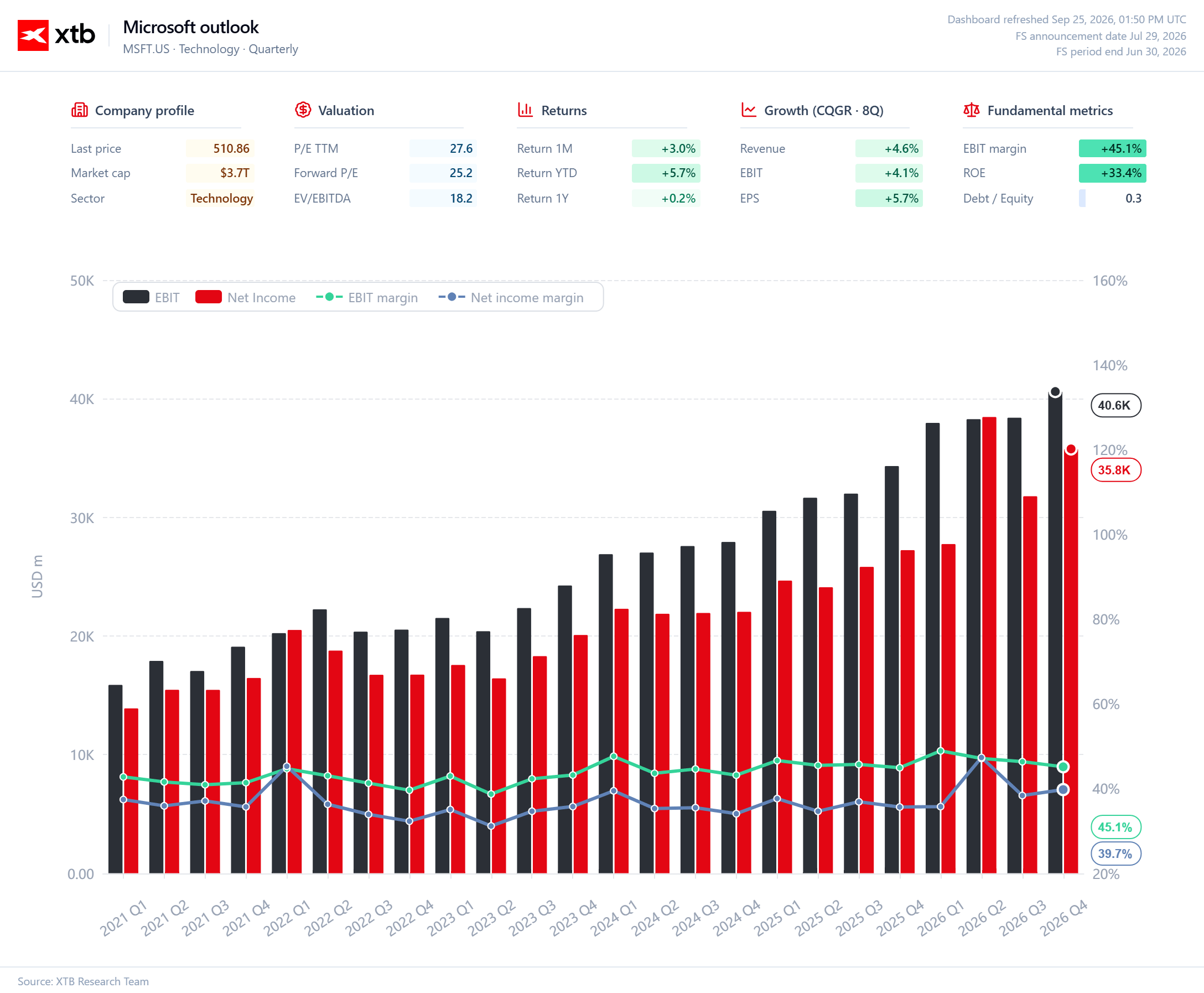
This may be the most interesting part of the entire strategy. Selling additional licenses has its limits, while a usage based model gives Microsoft the ability to increase revenue as the amount of work performed by AI grows. Preparing reports, analyzing documents, processing data, or handling tasks across multiple applications could all become part of everyday product usage.
Microsoft also has an advantage stemming from its position within enterprises. It controls the applications, data, and workplace environment in which Copilot operates. This allows the company to integrate AI with existing permissions and security policies rather than forcing customers to deploy another standalone system.
That does not mean, however, that product development alone will guarantee business growth. Companies still have to decide which processes they actually want to hand over to AI agents and how much they are willing to pay for it. For Microsoft, the key factor will therefore not simply be the pace at which Copilot evolves, but the scale at which it is adopted in the day to day operations of enterprises.
If this model takes hold, Copilot could become something much more significant for Microsoft than another add on to Microsoft 365. The company could generate revenue not only from access to its software, but also from the growing number of tasks performed through it. At that point, increased AI usage would begin to translate directly into higher revenue across the Microsoft ecosystem.
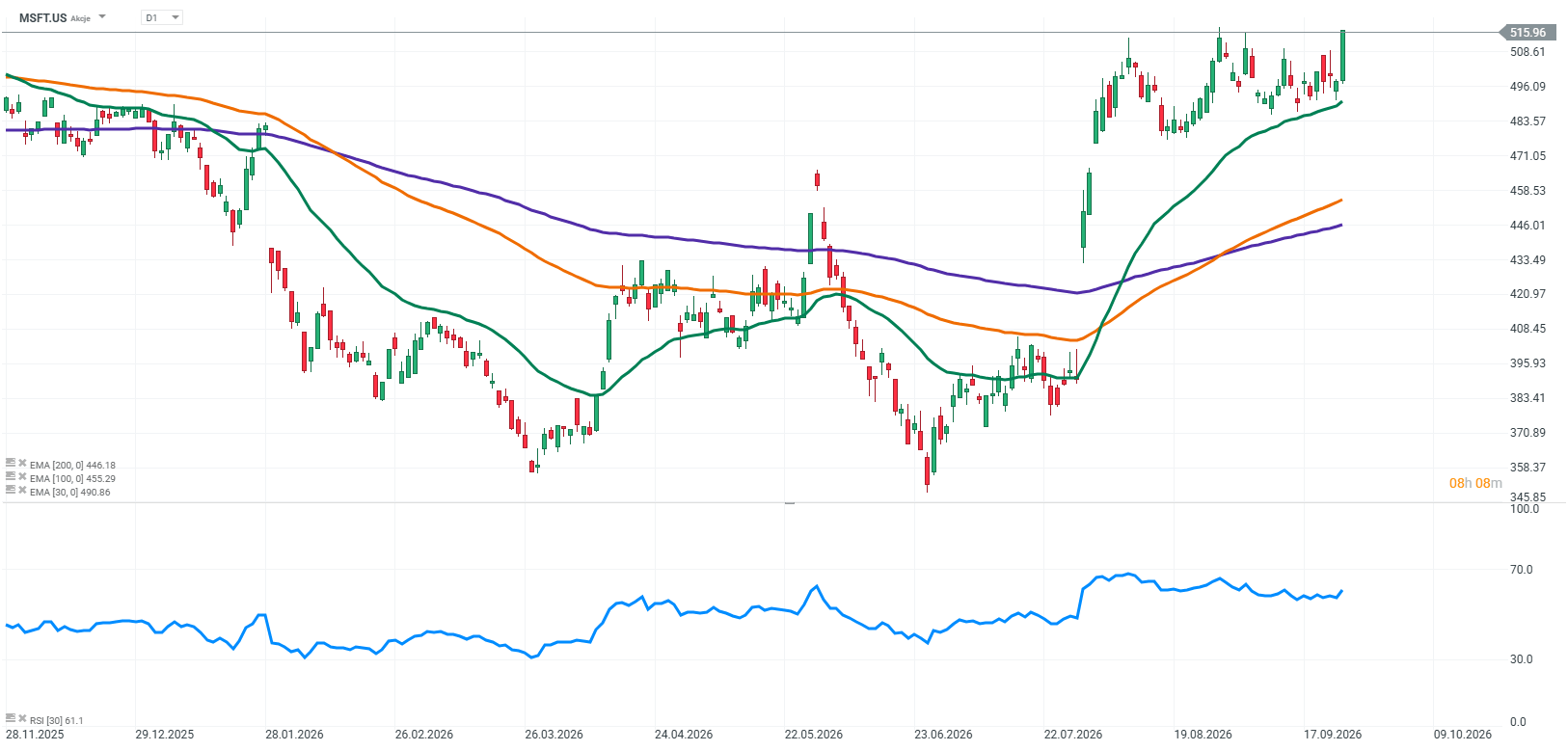
Source: XTB Research


Market wrap: European indices rebound 🔼 Defence stocks on the rise



TSMC in Talks with Elon Musk Over Terafab


Daily summary 📈 Precious metals and stock indices rebound as Treasury yields fall


US Open: Nasdaq 100 extends losses 🚩 AI stocks under pressure, CoreWeave falls 8%