



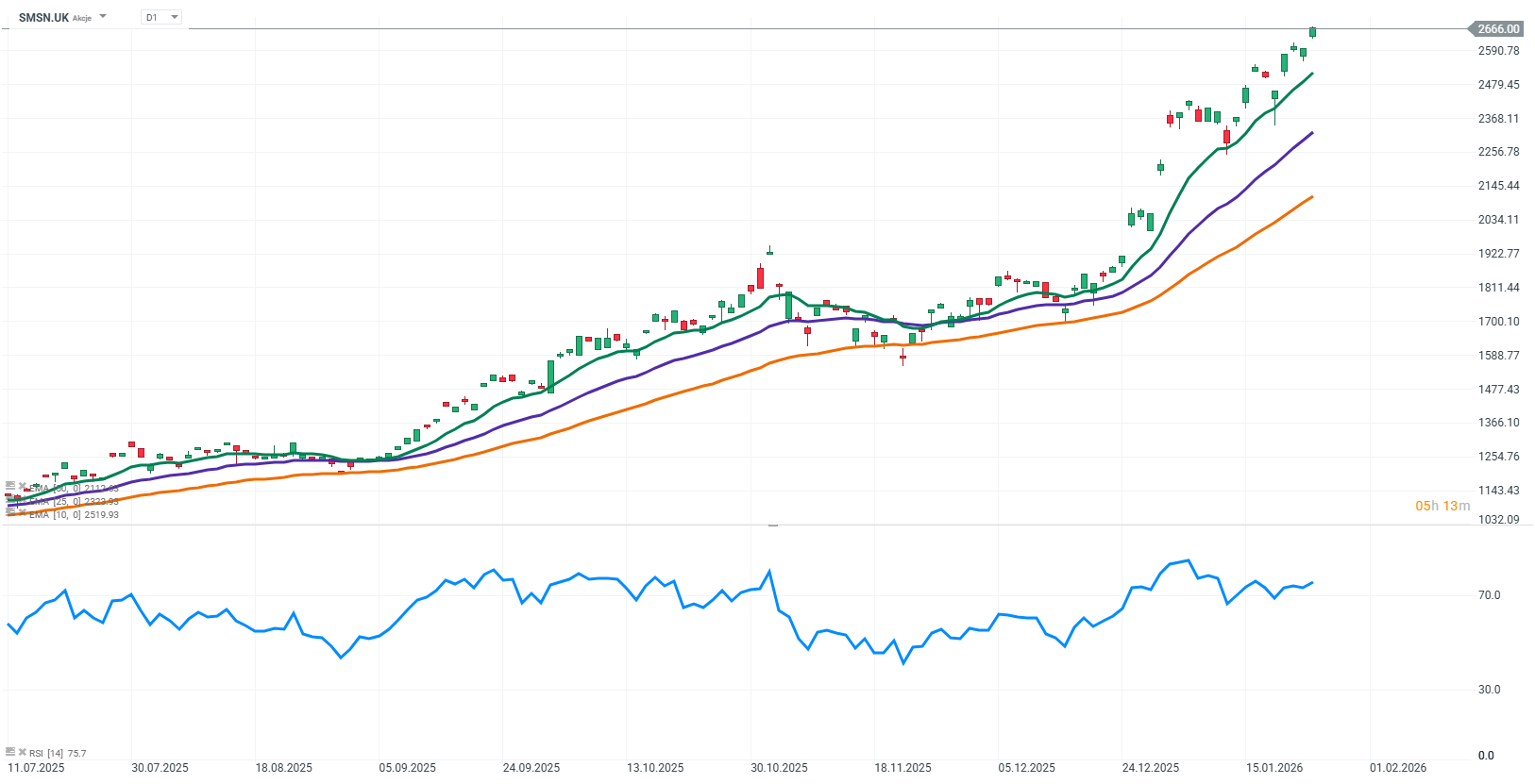
The race for dominance in the artificial intelligence memory market is entering a new phase. Samsung Electronics has announced that it is nearing Nvidia’s certification for its latest HBM4 memory chips, a move that could enable mass deliveries as early as February 2026 and potentially reshape the balance of power in the premium memory segment.
HBM4 is a critical component of modern AI accelerators. The new generation of high-bandwidth memory delivers higher throughput and improved energy efficiency, enabling faster processing of massive data sets while reducing operating costs in data centers. Large-scale availability of HBM remains one of the key bottlenecks in the expansion of AI infrastructure.
Samsung and SK Hynix plan to begin parallel HBM4 production in February, although full-scale output may be pushed into the second quarter due to Nvidia’s stringent quality requirements. For the GPU maker, this represents further diversification of its supply chain at a time of rapidly growing demand for AI accelerators.
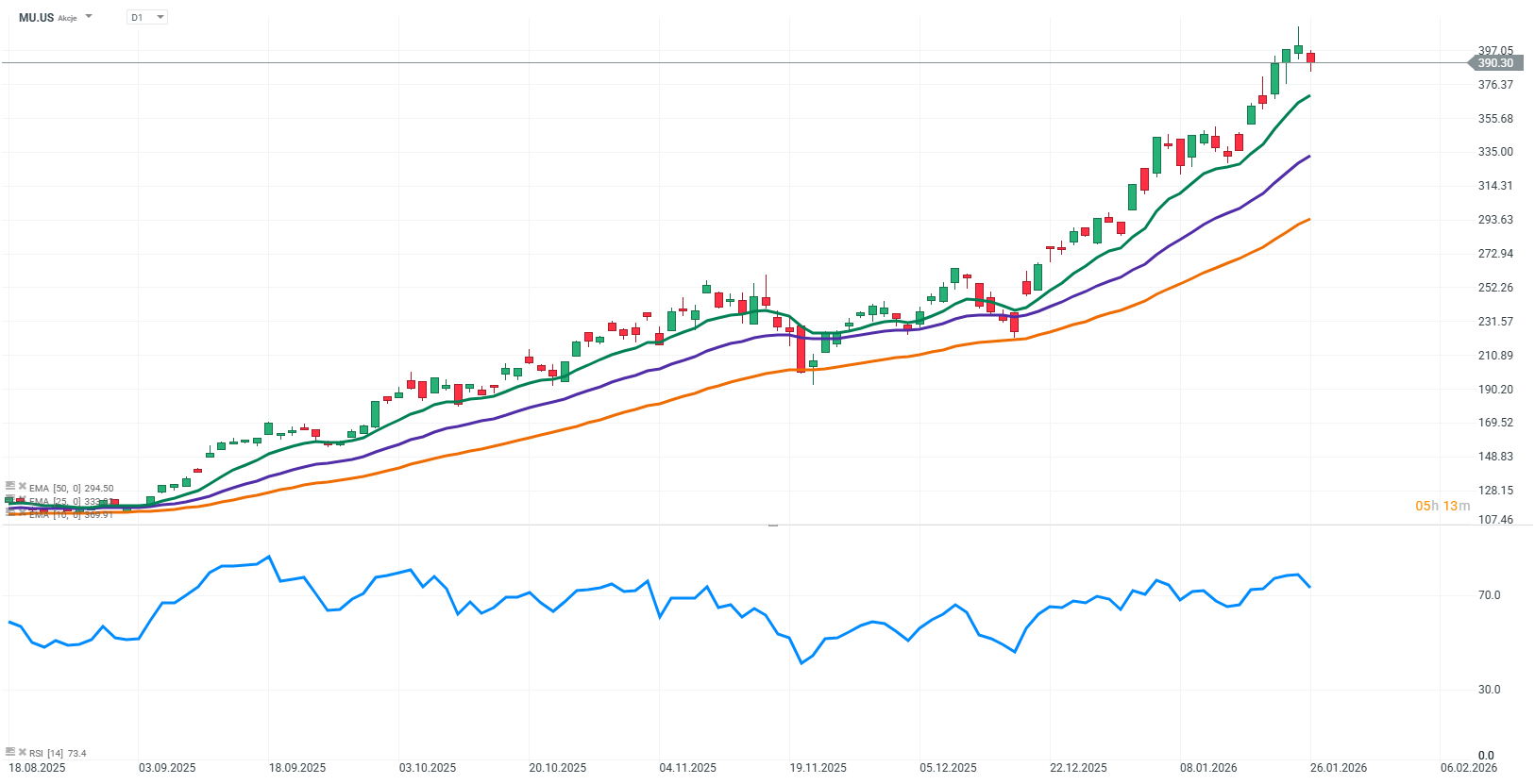
News of Samsung’s progress has also impacted competitors. Shares of Micron Technology are down by around 2% in today’s session, a move the market interprets as a sign of intensifying competitive pressure in the HBM memory segment. At the same time, demand for HBM4 continues to outstrip supply, with all major manufacturers still in the qualification process and expanding production capacity.
Samsung’s advances in securing HBM4 certification underscore that the battle in the memory market is entering a decisive stage. Competitive advantage is increasingly determined not only by technological performance, but also by the ability to rapidly scale production and meet the strict requirements of the largest AI chip customers.
Source: xStation5
Source: xStation5


Intel declines: Share in "Terra Fab" threaten?



Market Wrap: France’s Budget, Spain’s Elections. Politics Returns to the Markets

Schneider Electric pays a high price for AI and software growth


Morning wrap: Strong Wall Street, weak Europe and Asia 🚩 NFP to test equity strength