

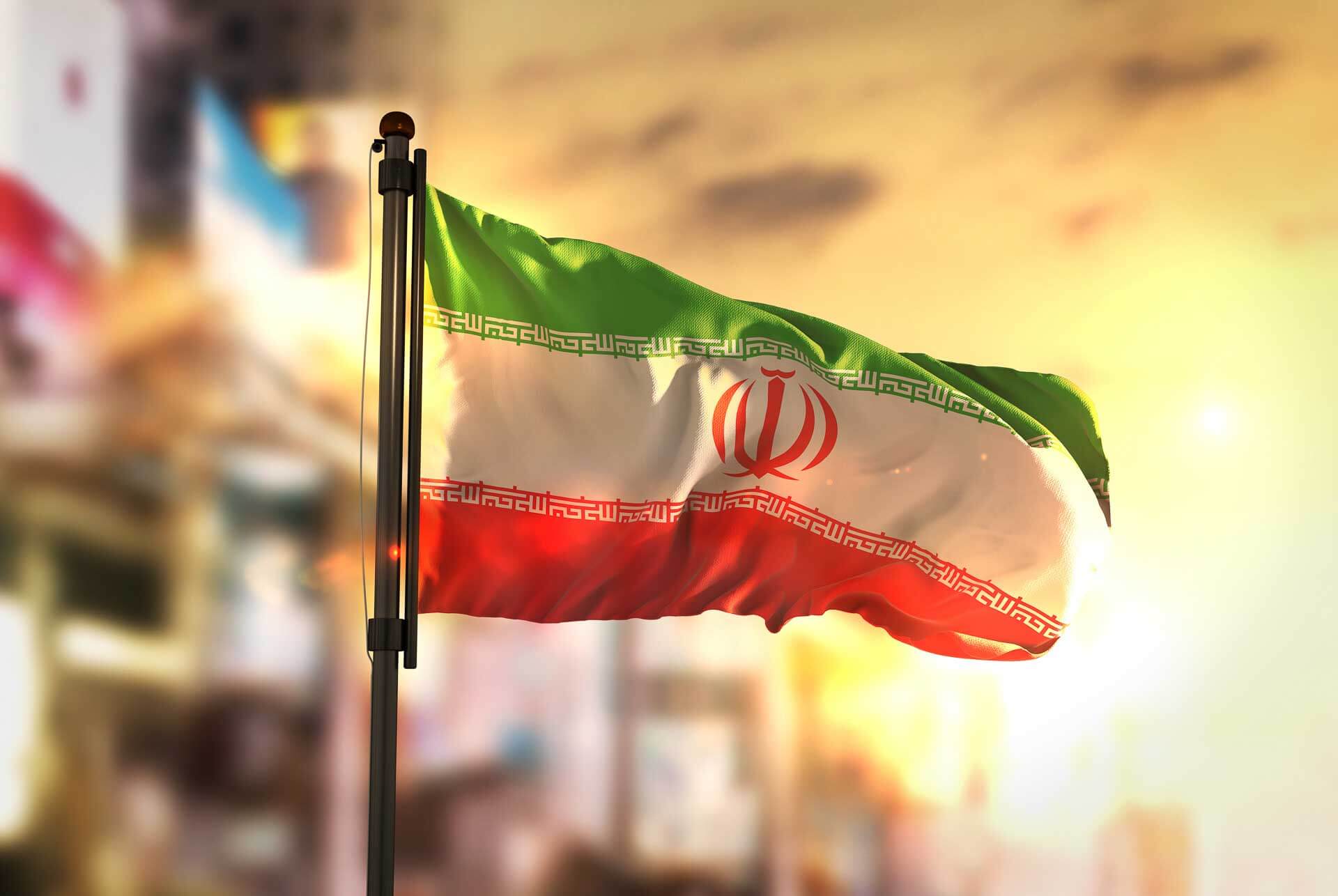

Latest market reports suggest that US–Iran negotiations are gradually moving toward a more coherent framework for a potential agreement, although significant sticking points remain. Secretary of State Marco Rubio described the current state of talks as a “pretty solid framework” for a potential deal, with one of its key elements being the possible reopening of the Strait of Hormuz, a strategic chokepoint responsible for roughly one-fifth of global oil flows.
The most important new development in this setup is the clear emergence of China as a potential guarantor or at least a key intermediary in the process. Iran is signalling that it is unwilling to commit to a final agreement without additional political and economic safeguards, while Beijing naturally stands out as the only actor capable of maintaining communication channels with Tehran and exerting meaningful leverage through trade and sanctions-related mechanisms.
From a market perspective, this introduces several important implications. First, China’s involvement effectively shifts the negotiations from a bilateral US–Iran format to a broader energy security framework, in which Beijing becomes an informal insurer of flows through Hormuz. This helps explain why scenarios involving the reopening of the strait are being more rapidly priced into oil markets, given China’s strong interest in stable supplies as one of the largest importers of crude from the region.
Second, a clear strategic asymmetry is emerging. The United States is pushing for a rapid reopening of Hormuz and a reduction in maritime risk as a precondition for further nuclear talks. Iran, on the other hand, is attempting to embed this issue within a broader package that not only includes sanctions relief, but also effectively formalises China’s role as a regional balancing guarantor. As a result, the focus of negotiations is gradually shifting from the nuclear programme itself to the wider architecture of energy security and logistics.
For China, this creates a potentially highly advantageous position. Without formally entering the conflict, Beijing could become a key stabiliser of oil flows, strengthening its influence in the Middle East while simultaneously reducing the risk of energy price shocks. In practice, markets are beginning to price not only a US–Iran agreement, but also an implicit trilateral framework in which China acts as a silent guarantor of system stability.
As a result, the geopolitical risk premium in oil is being reduced not solely by progress in nuclear negotiations, but increasingly by expectations that China may be integrated as a structural stabiliser of the entire process. However, the setup remains fragile, as any escalation around uranium transfers, sanctions relief timing, or control over Hormuz could quickly reverse sentiment and reintroduce volatility into energy markets.


Daily Summary: Oil at five-month highs, indices under pressure (23.10.2026)


US Open: Further declines on Wall Street, Brent above 111 USD, AI correction continues (14.10.2026)


Chart of the Day: Is USDJPY running out of road? Inflation forces the BoJ to act, but the Fed could spoil the Yen’s rally



Macro Calendar: Preliminary PMI Readings and Earnings Ahead