USD/ZAR

USD/ZAR - USD/ZAR

Instrument which price is based on quotations of American Dollar to South African Rand on the interbank market.
Create account
Past performance is not necessarily indicative of future results, and any person acting on this information does so entirely at their own risk.
Download free app
ABOUT INSTRUMENT

Trade USD/ZAR CFD

The USD/ZAR currency pair represents the exchange rate between the US Dollar (USD) and the South African Rand (ZAR). It is a critical benchmark for understanding the economic and financial relationship between the United States, the world’s largest economy, and South Africa, the most industrialized economy on the African continent.

USD/ZAR is a popular forex pair due to its high volatility and sensitivity to global economic trends. It reflects the interplay between the US’s status as a global economic powerhouse and South Africa’s resource-dependent, emerging market economy. Traders often look to USD/ZAR to capture opportunities arising from commodity price fluctuations.

In the XTB offer, USD/ZAR is available as a CFD instrument, allowing traders to speculate on the pair without directly holding any currency. However, trading CFDs carries high risk due to the volatile nature of the forex market.

Key Takeaways

  • Emerging Market Sensitivity: ZAR is highly sensitive to global risk sentiment, with investors flocking to USD as a safe haven during periods of uncertainty.
  • Commodity-Driven Economy: South Africa is a major exporter of gold, platinum, and other raw materials, making ZAR closely tied to global commodity price movements.
  • Interest Rate Dynamics: The exchange rate is influenced by the policies of the US Federal Reserve and the South African Reserve Bank (SARB), with interest rate differentials driving significant movements.
  • Economic Disparities: The US’s diversified economy contrasts with South Africa’s reliance on mining, agriculture, and energy, creating unique drivers for USD/ZAR volatility.

Potential Major Drivers 

  • Commodity Price Trends: South Africa’s reliance on gold, platinum, and other commodities makes the Rand (ZAR) highly sensitive to changes in global commodity prices. A sustained rise in gold prices could strengthen ZAR, while a downturn would likely weaken it.
  • US Federal Reserve Policies: Interest rate decisions by the Federal Reserve, especially during periods of monetary tightening or easing, can influence USD strength and create significant USD/ZAR movements.
  • South African Reserve Bank (SARB) Policies: The SARB’s interest rate decisions, often aimed at curbing inflation or stabilizing the Rand, are key drivers for ZAR’s performance against the USD.
  • Global Risk Sentiment: As an emerging market currency, ZAR is sensitive to global risk appetite. During risk-off periods, investors tend to favor the USD, weakening ZAR. Conversely, a risk-on environment may lead to ZAR gains.
  • South African Political and Economic Stability: Domestic issues, such as changes in government policies, mining laws, or fiscal challenges like debt management, can impact investor confidence in ZAR.
  • US-South Africa Trade and Investment Flows: Changes in trade volumes, investment trends, or bilateral agreements between the two countries can influence the USD/ZAR pair by affecting demand for each currency.

 The Role of Tariffs in USD/ZAR Movements

Tariffs can significantly impact the USD/ZAR exchange rate due to their direct influence on trade dynamics. While South Africa is not a top trading partner of the United States, it exports key commodities such as platinum, gold, and coal to global markets, including the US. Tariffs imposed on South African goods, or on commodities essential to its economy, could disrupt these export flows.

  • If the US increases tariffs on South African exports (e.g., metals or agricultural products), South Africa's export earnings could decline, weakening the Rand (ZAR).
  • Conversely, tariff reductions or trade incentives could boost South Africa’s export competitiveness, strengthening ZAR against the US Dollar (USD).

Additionally, if South Africa faces indirect tariffs, such as US duties on Chinese goods that use South African raw materials, it could negatively impact ZAR by reducing global demand for South African exports.

2. Pro-Dollar Trends and Their Influence on USD/ZAR
Pro-dollar trends occur when global investors favor the US Dollar due to its safe-haven status, typically during periods of uncertainty or risk aversion. The USD’s dominance in global financial markets allows it to strengthen during:

  • Global Economic Slowdowns: In times of economic uncertainty, capital flows into USD-denominated assets as investors seek stability. This increases demand for USD, often weakening ZAR.
  • Federal Reserve Policy Tightening: Higher interest rates in the US attract foreign capital into USD assets, making the Dollar stronger against emerging market currencies like ZAR.

For South Africa, this trend poses challenges because:

  • Capital Outflows: Investors may pull funds from South African markets, particularly its bond market, leading to ZAR depreciation.
  • Increased Debt Costs: South Africa relies on foreign funding for development and infrastructure projects. A stronger USD raises the cost of servicing USD-denominated debt, further pressuring ZAR.

3. Economic Relationships Between the US and South Africa
The United States and South Africa maintain an important, albeit secondary, economic relationship. Trade, investment, and development cooperation are key pillars of this relationship.

Trade Flow Highlights:

  • The US is one of South Africa’s largest trading partners outside of the European Union.
  • South Africa exports raw materials, precious metals, and agricultural products to the US, while importing machinery, vehicles, and pharmaceutical products.
  • South Africa benefits from the African Growth and Opportunity Act (AGOA), which provides duty-free access to US markets for certain goods. A reduction or expiration of AGOA benefits could significantly weaken ZAR.


Investment Ties:

The US is a major source of foreign direct investment (FDI) in South Africa, particularly in sectors like energy, mining, and finance. Strong investment inflows support ZAR stability, while divestments can lead to depreciation.

Commodities and the Global Economy:

South Africa’s economic dependence on mining and raw material exports ties its fortunes to global commodity cycles. Any shifts in US policies, such as sanctions or climate-related restrictions on coal imports, could impact ZAR.

Key Cyclical Macro Readings and Events

  • US Non-Farm Payrolls (NFP): Strong NFP data strengthens USD as it reflects robust US economic performance, often leading to upward pressure on USD/ZAR.
  • South African GDP Growth: Quarterly GDP releases signal the health of South Africa’s economy. Better-than-expected growth often boosts ZAR, while weak data can lead to depreciation.
  • Global Commodity Reports: Updates on gold, platinum, and coal prices, as well as OPEC announcements, directly impact ZAR due to South Africa’s dependence on mining exports.
  • SARB Rate Decisions: The Reserve Bank’s stance on interest rates, particularly during inflationary periods, can cause sharp ZAR movements. Rate hikes tend to strengthen ZAR, while cuts may weaken it.
  • US CPI Data: Inflation data from the US affects Federal Reserve policy expectations. Higher inflation could lead to rate hikes, strengthening USD against ZAR.
  • Political Developments in South Africa: Events like policy shifts, labor strikes in the mining sector, or election outcomes can significantly impact ZAR’s stability and USD/ZAR volatility

0.0129
0.20%
1:500
-
24 h from Sunday 11:00 pm to Friday 10:00 pm CET

Interesting facts

Gold Connection: South Africa has a long historical association with gold, and the South African Rand (ZAR) has traditionally been influenced by developments in the global gold market. Although the Rand is no longer pegged to gold, the country's status as one of the world's leading gold producers.

High Volatility: The USD/ZAR currency pair is widely recognized as one of the most volatile among the major and emerging-market currency pairs, frequently experiencing large price swings in response to both domestic and global economic developments.

Emerging Market Barometer: The South African Rand (ZAR) is widely regarded as one of the leading proxy currencies for emerging market sentiment due to its high liquidity, free-floating exchange rate, and sensitivity to global financial conditions.

Political Influence: South Africa’s domestic political environment plays a significant role in determining the performance of the South African Rand (ZAR), as changes in government policies and political stability can directly influence investor confidence and capital flows.

Global Safe Haven Dynamics: The US Dollar (USD) is widely regarded as one of the world's primary safe-haven currencies, attracting investors during periods of global economic uncertainty, financial market volatility, or geopolitical instability.

Commodity Supercycles: South Africa is one of the world's leading exporters of mineral commodities, including gold, platinum, coal, iron ore, manganese, and chromium, making the performance of the South African Rand (ZAR) closely tied to global commodity markets.

TOP INSTRUMENTS

Check out more instruments

All forex
Have all your trades always at hand

With award-winning and easy to use XTB trading app

Latest news

Keep your finger on the pulse with our latest news

When will the rise in oil prices reac...
25 July 2026
Daily Summary: Equities Diverge as Te...
24 July 2026
Three markets to watch next week (24....
24 July 2026
See more news
GET ACCESS

How to trade USD/ZAR with XTB?

1. Open an account

Complete the form and send relevant documents - all without unnecessary formalities.

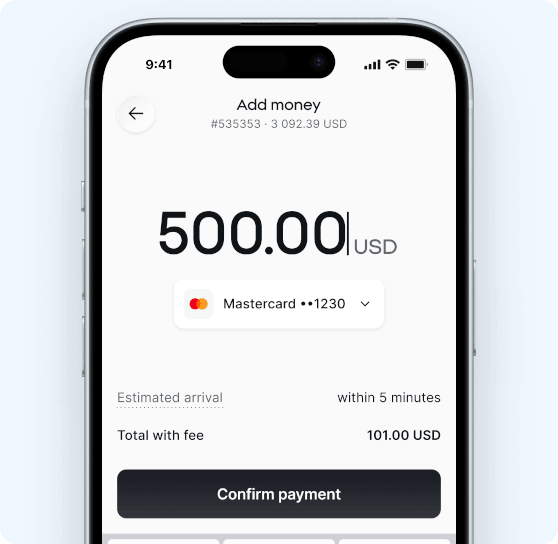
2. Make a deposit

Choose a deposit method convenient for you from a range of available ones, including instant and free payments.

3. Start trading

Choose from 11800+ instruments.

1. Download the app

Visit your mobile store and download our app completely for free

2. Open an account

Complete the form and send relevant documents - all without unnecessary formalities.

3. Make a deposit and start trading

Choose a deposit method convenient for you from a range of available ones, including instant and free payments.

WHY XTB

Why trade at XTB?

Innovative Platform

We are constantly working on the development of our proprietary and award-winning trading platform to make sure it suits all your needs. Available in both desktop and mobile versions.

Regulation

We are part of the group that is one of the largest stock echange-listed brokers in the world, regulated by several reputable supervisory authorities. It is also worth noting that XTB clients’ funds are being kept in segregated accounts, which means that they are separated from the company’s funds.

Multilingual and highly qualified Customer Support

Our support team is ready to help you 24 hours a day, from Monday to Friday.

TOP INSTRUMENTS

Check out more instruments

All forex
Education

Explore extensive Knowledge base

Pip
What Is Forex Trading?
FX Trading - How to Invest in Forex CFDs
FAQ

Do you have any questions?

USD/ZAR shows how many South African Rand (ZAR) are needed to purchase one US Dollar (USD).

Key factors include monetary policies of the Federal Reserve and SARB, global commodity prices, South African political stability, and global risk sentiment.

As an emerging market currency, ZAR is influenced by commodity price swings, domestic political developments, and investor appetite for risk, all of which contribute to its volatility.

USD/ZAR sees the most activity during European and US trading sessions, reflecting overlapping market hours for South Africa and the United States.

Rising commodity prices, particularly gold and platinum, often strengthen ZAR, while falling prices can weaken it due to South Africa’s reliance on mining exports.

As an emerging market currency, ZAR is seen as riskier compared to USD. In times of global uncertainty, investors tend to move toward safe-haven assets like USD, leading to ZAR depreciation.

It is best to proceed trading in FOREX with proper education - you can start with the Knowledge base we have prepared for you. Once you have the proper knowledge you should open a demo account to get a feel for the market and practice your trading strategy before investing real money. Remember that you can never have to much knowledge and you should constantly educate yourself during your presence on the financial markets.

There is no recipe for success in the FOREX market. However, there are some aspects that will help you become a better trader. Here are some tips: start with demo account (before risking real money - get a feel for the market and practice your trading strategy), develop a trading plan (it's important to have a clear plan in place before starting trading), use risk management tools (manage your risk when trading, through eg. Stop Loss orders), do not overtrade (it's easy to get caught up in the excitement of trading, but it's important to stick to your plan and not overtrade).

Financial markets are a very complex topic, as they are influenced by various factors, such micro- and macroeconomic events, policies or social changes. You should start your trading experience with proper education about the concepts, assumptions and laws that govern the markets - you can start with the Knowledge base we have prepared for you. Once you have the proper knowledge you should open a demo account to get a feel for the market and practice your trading strategy before investing real money. Remember that you can never have to much knowledge and you should constantly educate yourself during your presence on the financial markets.

Yes, FOREX investing can be risky. The value of currencies can fluctuate significantly due to a variety of factors, including economic conditions, political events and market speculation. It is important for individuals to carefully consider their own financial situation and risk tolerance before investing in FOREX.

When choosing a broker, you should consider a number of aspects related to its activity and offer. These things you should definitely consider: credibility of the invesment firm, cost and fees, instruments offered, investment platform, customer support and additional benefits. If you want to learn more about how to choose your broker visit: investresponsibly.com.

When choosing a FOREX platform there are several factors you should consider: platform ownership (proprietary platform are usually designed in the most intuitive way), availability of DEMO account (where you can test your knowledge practice strategies before risking real money), fees (commissions, spreads etc.), access to educational materials and market news. Before commiting to one platform you should carefully consider all above-mentioned aspects, as they will particulary contribute to the effectiveness of your trading.
The financial instruments we offer, especially CFDs, can be highly risky. Fractional Shares (FS) is an acquired from XTB fiduciary right to fractional parts of stocks and ETFs. FS are not a separate financial instrument. The limited corporate rights are associated with FS.
This page was not created for investors residing in Brazil. This brokerage is not authorized by the Comissão de Valores Mobiliários (CVM) or the Brazilian Central Bank (BCB). The content of this page should not be characterized as an investment offer in Brazil or for investors residing in that country.
Losses can exceed deposits