UK100

Trade UK100 CFD

Past performance or future forecasts does not constitute a reliable indicator of future performance.

Fees

Less cost, more investments

Competitive fees

Trade with leverage and keep costs low

Free deposits/withdrawals

Manage your funds. Take advantage of free deposits and withdrawals.

No custody fees

No custody fees up to 250,000 EUR. After that, 0.02% per annum, minimum £10.

Learn

What is CFD trading?

New to CFDs? Learn how CFD trading works and how you can trade on both rising and falling prices without owning the underlying asset. We explain the basics, financial leverage, potential benefits and risks in simple terms.

Read the Beginner’s Guide

Create an account

Open your XTB account in just a few simple steps. Get access to global markets and a wide range of investment opportunities.

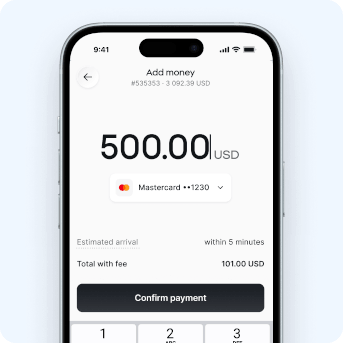
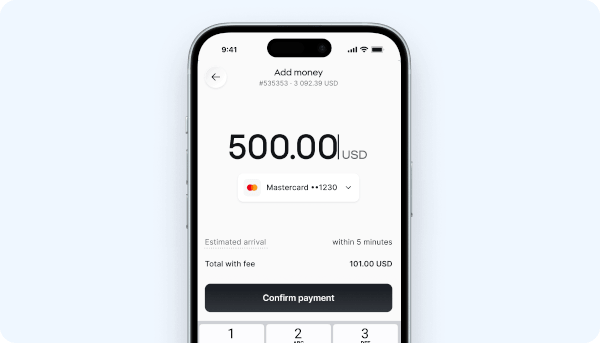
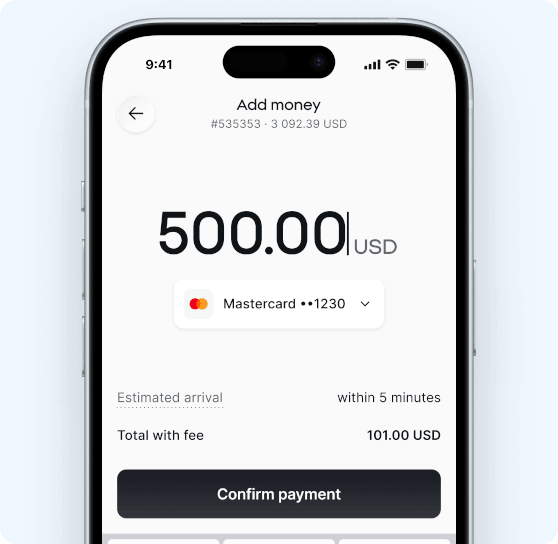
Make a deposit

Add funds to your account using one of the available payment methods. Once your funds are available, you’re ready to start investing.

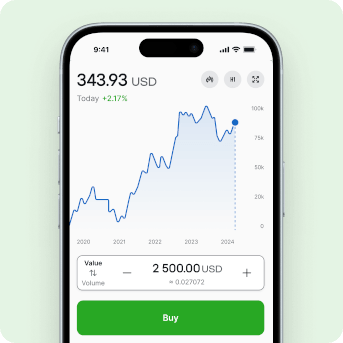
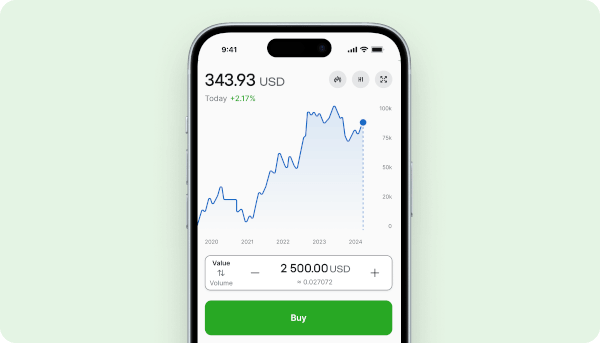
Trade UK100

Find UK100 in XTB App, choose how much you want to invest and place your order. Start building your portfolio on your terms.

And make your money work in many ways

Explore more ways to put your money to work - from global stocks and ETFs to more. Discover Investment Plans and earn interest on uninvested funds while you wait for your next investment opportunity.

Popular in the markets

Most traded CFDs

Discover where CFD traders are most active. Explore some of the most traded CFDs across global markets and see which instruments are in focus.

News

Keep your finger on the pulse with our latest market news

We are regulated by leading financial regulatory authorities across multiple markets worldwide.

About instrument

Invest in UK100 CFD

The UK100, also known as the FTSE 100, is a capitalisation-weighted index composed of the 100 largest companies listed on the London Stock Exchange. The index represents about 80% of the total market capitalisation of the exchange and is widely considered a gauge of the UK stock market's health.

One interesting fact about the UK100 is that it is dominated by just a few sectors. The largest sector is financials, which accounts for around 16% of the index, followed by consumer goods, healthcare, and oil and gas. As a result, the sectors' performance can have a significant impact on the overall performance of the index.

Investors can gain exposure to the UK100 through various financial instruments, including CFDs. Contracts for difference are a type of derivative product that allows investors to speculate on the price movements of the underlying asset without owning the asset itself. This means that investors can potentially profit from both rising and falling markets.

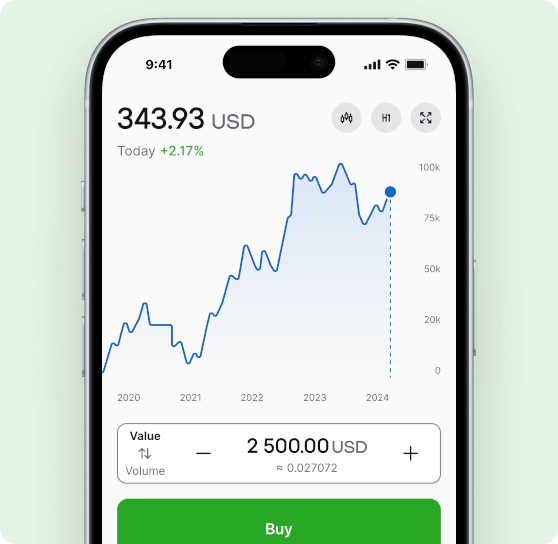
XTB offers CFD trading for the UK100 index with near real-time movement tracking via our xStation trading platform.

Regarding trading the UK100, the best time to trade is during the hours when both the London Stock Exchange and other major global stock exchangesare open. This usually includes the hours between 8:00 and 16:30 UK time. During these hours, there is typically more liquidity in the market, leading to tighter bid-ask spreads and more favourable trading conditions.

Another interesting fact about the UK100 is that it is heavily influenced by the global macroeconomic environment. This is because many of the companies listed on the index have significant international operations. Therefore, changes in global interest rates, trade tensions, and geopolitical risks can significantly impact the index's performance.

It's essential to note that CFDs are a high-risk investment and may not be suitable for all investors. They involve leverage, which can amplify potential gains and losses. Therefore, investors should carefully consider their risk tolerance and investment objectives before trading CFDs.


Minimal spread

1.4

Margin

5%

Leverage

20

Commission

-

Market hours

2:00 am - 10:00 pm

Interesting Facts

What to know before investing in UK100

Origins of UK100: The UK100, formally known as the FTSE 100 (Financial Times Stock Exchange 100 Index), was created on January 3, 1984. The FTSE 100, often nicknamed "Footsie", was a result of a collaboration between the Financial Times and the London Stock Exchange.

Composition of UK100: The index is composed of the 100 largest companies listed on the London Stock Exchange by market capitalization. Despite its national connotations, the index includes numerous international companies, giving it a global economic outlook. These companies encompass diverse sectors, enhancing the index's representative capacity.

Weighting Method: The UK100 uses a capitalisation-weighted methodology to determine the influence of each component company. Companies with larger market capitalisations have a greater impact on the index's overall movement. This weighting approach is popularly used in various large indices around the world.

Real-Time Calculations: The UK100 is calculated in real-time, with its value updated every second while the market is open. This continuous computation provides immediate insights into the performance of the constituent companies and the broader market.

UK100 and Economic Indicators: Despite primarily reflecting the performance of large multinational companies, the UK100 is considered a significant indicator of prosperity in the UK business sector. It is, however, important to note that due to its international composition, it may not solely reflect the health of the UK's domestic economy.

Benchmarking Utility of UK100: The UK100 serves as a performance benchmark for investors around the globe. It replaced the older price-weighted FT30 Index and became the primary performance indicator for most investors. Its real-time updates allow investors to compare their investments' performance against the index.

UK100's Historical Performance: Over the years, the UK100 has experienced both highs and lows, reflecting the global economic situation. For instance, the index peaked during the 'dot com' boom, and later, it indicated economic recovery post the 2000s economic crisis. Such movements provide historical perspectives on market trends.

Popularity of the UK100 Index: The FTSE 100 Index is among the most recognised stock market indices worldwide, given the size and global reach of its constituent companies. Its popularity extends beyond the UK, providing investors globally with a valuable insight into one of the world's key financial markets.

Maintenance of UK100: The UK100 Index is maintained by the FTSE Group, a subsidiary of the London Stock Exchange Group. The group ensures the index accurately reflects the market capitalization of the largest 100 public companies listed on the LSE.

Sector Representation in UK100: The companies included in the UK100 come from various sectors such as industrial metals & mining, utilities, financial data & stock exchanges, internet content & information, and household & personal products, among others. This wide sector representation ensures a balanced view of the UK's market.

FAQ

Do you have more questions?

Find answers to our most commonly asked questions. Still have a question? Please contact our customer support team.

The UK100, also known as the FTSE 100, is an index of the 100 largest companies listed on the London Stock Exchange, ranked by market capitalization. It is widely considered as a benchmark for the UK stock market.


The UK100 index is composed of companies from various sectors, including financials, consumer goods, healthcare, and oil and gas. The companies listed on the index represent approximately 80% of the total market capitalization of the London Stock Exchange.


There are several financial instruments available for investors to gain exposure to the UK100 index, one of which includes Contracts for Difference (CFDs). CFDs are a type of derivative product that enables investors to speculate on the price movements of the underlying asset without having to own the actual asset.

XTB offers a possibility to invest in the UK100 index using contracts for difference (CFDs). 


The UK100 index is open for trading during the hours when both the London Stock Exchange and other major global stock exchanges are open. This typically includes the hours between 8:00 am and 4:30 pm UK time.


Due to the significant international operations of many companies listed on the UK100 index, its performance is greatly influenced by the global macroeconomic environment. Any changes in global interest rates, trade tensions, and geopolitical risks can significantly impact the index's performance.


As with any investment, investing in the UK100 index involves risks. CFDs, in particular, are a high-risk investment and may not be suitable for all investors. They involve leverage, which can amplify potential gains and losses. Therefore, investors should carefully consider their risk tolerance and investment objectives before trading CFDs.


Indices and stocks are not the same thing. An index is a statistical measure of the change in a portfolio of stocks. It is not itself a stock, but rather a composite of the performance of a group of stocks. Stocks, on the other hand, are individual securities that represent ownership in a particular company.

There is no one "best" index for trading. The best index to trade depends on your investment goals, risk tolerance, and other personal factors. Some popular indices for trading include the S&P 500, NASDAQ Composite, and Dow Jones Industrial Average.

It is difficult to rank indices, as different indices are designed to track different types of market segments and have different methodologies. Some of the most well-known indices include: S&P 500, NASDAQ Composite, Dow Jones Industrial Average, FTSE 100, Nikkei 225.

It is possible to trade on FOREX and to trade indices, but they are quite different instruments. FOREX is about trading currencies, while indices represent the performance of a group of stocks. It is not possible to say whether one is "better" than the other, as the choice of which instrument to trade will depend on the individual trader's goals and risk tolerance.