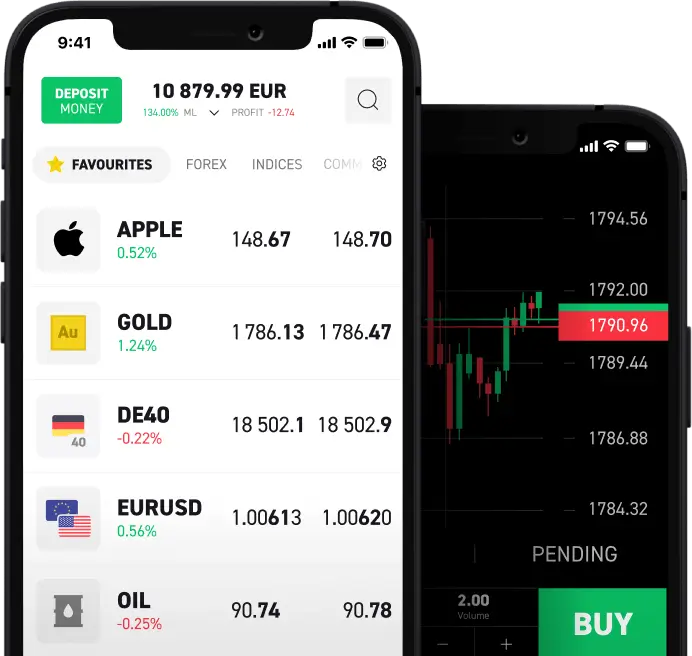
Sugar is a derivative CFD instrument based on quotations of sugar futures contracts, on ICE Futures Europe. Traders looking to tap into the global sugar market often turn to leveraged instruments, which offer exposure without tying up large amounts of capital. Instead of buying physical sugar, they can speculate on price swings using a fraction of the cost — a key appeal for short-term traders focused on momentum and volatility 📉📈.
🍬 Sugar isn’t just your everyday sweetener — it’s a globally traded agricultural powerhouse. Beyond food and drink, it plays a growing role in biofuel production, particularly ethanol. Sugar futures, traded on the Intercontinental Exchange (ICE), act as a benchmark for prices worldwide. These contracts are widely used by farmers, industrial buyers, and speculators alike to hedge against market volatility or position for profit during price shifts.
Learn more about CFD investing at XTB
Global Sugar Market Dynamics
The global sugar market is influenced by the supply and demand dynamics of the largest producing and consuming countries. Major sugar producers include:
The world of sugar is more than just sweet — it’s a multi-billion-dollar global trade driven by the forces of nature, economics, and policy.
🔁 Supply and demand fundamentals are at the heart of global sugar price movements, with production and consumption concentrated in key regions:
- 🇧🇷 Brazil: The undisputed heavyweight of sugar, thanks to its fertile lands and ideal climate. Brazil leads in both production and exports, making it a key price setter.
- 🇮🇳 India: A top producer with immense domestic consumption. It plays a dual role — both a large consumer and occasional exporter when surpluses occur.
- 🇹🇭 Thailand: Efficient, export-oriented, and heavily integrated into global sugar flows.
On the demand side, sugar is devoured in massive volumes across:
- India, China, and the European Union, where population trends, dietary habits, and economic growth shape overall demand levels.
But there’s more: 🏛️ Trade policy shifts, import tariffs, and international diplomacy regularly influence cross-border sugar flows, sometimes shaking markets more than weather ever could.
What Moves Sugar Prices? Key Factors
Sugar prices are famously volatile, often turning on a dime based on a mix of physical fundamentals and speculative behavior. Here are the most impactful drivers:
🌦️ Weather Conditions
Sugarcane and sugar beet crops are weather-sensitive. Droughts, excessive rain, or unseasonal temperature swings can either boost yields or cause supply shocks, with prices reacting accordingly.
📊 Global Supply vs. Demand
If the world grows more sugar than it consumes, prices tend to fall. A tighter supply-demand balance? That’s when prices often spike. Brazil, India, and Thailand’s harvests alone can swing global sentiment.
🌍 Economic Trends
In times of global economic strength, demand for sugary products rises — from sodas to ethanol. But during downturns, reduced consumption may weigh on prices.
💱 Currency Fluctuations
Since sugar is globally traded, a weaker local currency can boost export competitiveness. For instance, a weakening Brazilian real may incentivize more sugar exports, adding pressure on global prices.
📜 Trade Policies & Tariffs
Import quotas, government subsidies, and trade restrictions can all act like invisible hands in the market. These policy moves can either open the gates or close them shut, affecting global supply chains.
📉 Speculative Activity
Futures markets add another layer. Traders betting on weather events, crop reports, or macroeconomic trends can cause price moves that aren’t always tied to physical sugar flows.
🍬Trading Characteristics 🍭
Sugar trading is a classic case of cyclical supply meets unpredictable demand. It’s sweet on the surface, but underneath lies a highly volatile market driven by weather, ethanol production, and emerging-market consumption.
🔹 Dual-Use Commodity: Sugar is unique — it feeds both humans and machines. In countries like Brazil, sugarcane is used for ethanol fuel production, making sugar prices dance to the rhythm of crude oil prices and energy policy.
🔹 High Seasonality & Weather Impact: Sugar production hinges on two crops — sugarcane and sugar beet. Droughts in Brazil or floods in India can significantly shrink yields, sending prices upward in a flash.
🔹 ICE Futures Dominance 🔄: Sugar contracts are traded on the Intercontinental Exchange (ICE), which offers liquidity but also hosts speculative players. Daily volume can spike sharply around report releases and oil-related news.
🔹 Emerging Market Demand Story 🌏: Rising middle classes in countries like China and India boost sugar consumption. Dietary shifts and urbanization often reflect directly in pricing dynamics.
🔹 Health Regulation Sensitivity 🩺: Sugar demand faces structural pressure from global health campaigns. Taxes on sugary drinks or public awareness efforts can curb long-term demand in developed nations.
🚨 Major Catalysts & Risks 🔥
In the sugar market, every factor seems interconnected — from oil prices to rainfall to political sugar subsidies.
🔺 Key Catalysts
🚜 Brazil’s Ethanol Policy: If Brazil diverts more sugarcane to ethanol due to rising oil prices, global sugar supply shrinks — prices rally.
🌧️ Monsoon Quality in India: Indian sugar production hinges on a stable monsoon. A weak one can jolt futures upward.
🧾 Global Health Trends: Ironically, negative headlines about sugar often affect the long-term investment narrative more than the short-term price.
📊 WASDE Reports & ISO Data: These key agricultural data releases shape near-term expectations for both supply and consumption.
🔻 Key Risks
🧯 Overproduction Risk: Government subsidies in India or Thailand can lead to oversupply and depressed global prices.
🌍 Currency Risk: Brazil’s real and India’s rupee often influence international pricing via their export competitiveness.
💉 Anti-Sugar Movements: Regulatory headwinds — like sugar taxes — in countries like the U.K. or Mexico can reduce demand over time.
📉 Oil Price Crashes: Lower crude prices may lead Brazilian producers to shift sugarcane away from ethanol, boosting sugar supply unexpectedly.
🏛️ Political Volatility: Export quotas, trade sanctions, or government price controls can disrupt free market mechanisms and stir pricing anomalies.
⏰ Sugar Trading Hours
The sugar market isn’t your standard 9-to-5 — it’s practically a weekday marathon. Thanks to the global nature of commodity trading, you can gain exposure to sugar nearly 24 hours a day, 5 days a week. Here's how the rhythm of the sugar trade unfolds on most platforms that offers CFD on the ICE Sugar Futures.
🕗 Pre-Market: 8:00 PM to 8:00 AM EST
This session reflects overseas sentiment and overnight weather patterns. It's often driven by global macro headlines and early positioning by large institutions.
🔄 Regular Market: 8:00 AM to 2:20 PM EST
This is the main event. Expect robust liquidity, active speculation, and reactions to breaking news, USDA data, and fundamental updates.
🌙 After-Market: 2:20 PM to 8:00 PM EST
Although volumes tend to thin out, price moves can still be sharp — especially when late-breaking weather news or currency movements hit the wire.
⚡ Volatility Windows: When Sugar Gets Hyperactive
Different parts of the trading day come with different emotional tones, shaped by news, trader psychology, and flow of information.
⏱️ 8:00 AM – 9:00 AM EST: The storm surge. News digests from overnight hit the market, especially crop forecasts and macro updates. Expect choppy, reactive moves.
😌 9:00 AM – 11:00 AM EST: The calm. After the initial burst, prices often stabilize. Lower volatility offers breathing room for mid-day strategies.
📊 11:00 AM – 2:20 PM EST: Strategic zone. Volatility ramps back up as traders reassess positions ahead of the close — especially before major USDA or ISO reports.
🌘 2:20 PM – 8:00 PM EST: After-hours swings. Despite lower volume, sugar can still react to international updates or weather alerts, sometimes catching traders off guard.
🕒 When Is the Best Time to Trade Sugar?
Timing matters in commodity trading — and sugar is no exception. While it can be traded throughout the day, certain windows consistently bring more action, volume, and volatility. Here's when sugar traders tend to sharpen their focus:
📈 Economic Data Releases (8:30 AM – 10:00 AM EST)
This time frame often sparks sudden moves. Why? It's when influential reports drop — like USDA crop forecasts or global agricultural updates. These releases can swiftly reshape market expectations.
🌦️ Weather Reports (Real-Time)
Sugar isn’t grown in spreadsheets — it’s born in soil. That’s why weather is so critical. Dry spells, floods, or hurricanes during planting or harvest seasons in top regions (like Brazil or India) can swing prices sharply. Traders follow forecasts like hawks.
🌍 U.S.–EU Market Overlap (7:00 AM – 11:00 AM EST)
This window blends American and European trading activity, often producing higher volumes and sharper price movements. For active traders, it’s a sweet spot for finding liquidity and volatility.
📚 Key Sugar Market Reports You Should Track
Behind every meaningful move in sugar futures is a report that changed expectations. Traders and analysts alike depend on a handful of essential publications that help decode supply, demand, and pricing trends:
🌾 USDA WASDE (Monthly)
The crown jewel of agricultural reporting. This forecast-driven report offers a macro view of sugar and other crop balances worldwide. It often sets the tone for price outlooks.
🍭 USDA Sugar and Sweeteners Outlook (Monthly)
Drills into sugar-specific trends. Expect commentary on domestic production, demand, price projections, and trade flows. Essential reading for U.S.-focused traders.
🌱 USDA Crop Progress Report (Weekly)
Like a health check-up for crops. This weekly update reveals the condition and maturity of sugarcane and sugar beet crops, especially important during planting and harvesting windows.
🌐 International Sugar Organization (ISO) Reports (Monthly)
Global supply, demand, and trade — all in one. ISO offers critical insight on how major producing and consuming countries are shifting the balance.
🧪 National Sugar Institute (NSI) Annual Reports
Focused on the Indian sugar industry, NSI reports offer valuable data and forecasts from one of the world’s top producers and consumers. A go-to source for macro insight on India’s output and consumption trends.