SOYBEAN

SOYBEAN - SOYBEAN CFDs

Instrument which price is based on quotations of the contract for Soy bean quoted on the American regulated market.
Create account
Past performance is not necessarily indicative of future results, and any person acting on this information does so entirely at their own risk.
Download free app
ABOUT INSTRUMENT

Trade SOYBEAN CFD

SOYBEAN is a derivative instrument based on quotations of Soybean CBOT (Chicago Board of Trade) futures contracts. As a leveraged product, SOYBEAN allows traders to gain exposure to the global soybean market with a fraction of the capital required to directly invest in the underlying commodity. This instrument is particularly popular among traders seeking to capitalize on short-term price movements in soybean futures.

Soybeans are a crucial agricultural commodity used primarily for oil and meal production, which are vital components in animal feed and various food products. Soybean futures contracts are traded on the Chicago Board of Trade (CBOT), part of the CME Group, and are a benchmark for soybean prices globally. These futures contracts allow producers, consumers, and speculators to hedge against price volatility or to profit from price changes.

Learn more about CFD investing at XTB

Weather conditions play a critical role in soybean production, directly impacting supply and, consequently, prices. Favourable weather conditions can lead to bumper crops and increased supply, which tends to lower prices. Conversely, adverse weather conditions such as droughts, floods, or unseasonal frosts can severely damage crops, leading to reduced supply and higher prices. 

Weather patterns in major soybean-producing regions, including the United States, Brazil, and Argentina, are closely monitored by traders. Seasonal variations, such as the timing of planting and harvest periods, also influence soybean prices. Weather forecasts and reports are essential tools for traders, as they provide valuable insights into potential supply disruptions or surpluses.

The global soybean market is influenced by the supply and demand dynamics of the largest producing and consuming countries. Major soybean producers include:

United States: The U.S. is a major producer and exporter of soybeans, with significant production concentrated in the Midwest.

Brazil: Brazil has emerged as a leading soybean producer and exporter, with vast agricultural land dedicated to soybean cultivation.

Argentina: Argentina is another key player in the global soybean market, known for its high-quality soybean production.

On the demand side, major soybean-consuming regions include China, the European Union, and Southeast Asia, where soybeans are used for animal feed, oil, and various food products. Changes in consumption patterns, population growth, and economic development in these regions can influence global soybean demand. Additionally, trade policies, tariffs, and international relations play vital roles in shaping the global soybean market.

With its significant impact on global food supply and economies, soybeans remain a crucial commodity for investors and traders seeking to capitalize on the dynamic agricultural markets. The key components of the market, including weather conditions, global supply and demand, and the role of speculators, all play vital roles in shaping soybean prices and trading opportunities.

Trading Hours and Expected Volatility

Trading Hours

SOYBEAN can be traded almost 24 hours a day during weekdays, reflecting the trading hours of the underlying Soybean CBOT futures contracts. The main trading sessions are as follows:

  • Pre-Market Trading: Begins at 7:00 PM CST (previous day) and runs until the official market open at 8:30 AM CST.
  • Regular Market Trading: From 8:30 AM CST to 1:20 PM CST.
  • After-Market Trading: Starts at 1:20 PM CST and ends at 7:00 PM CST.

Expected Volatility

1. Market Open (8:30 AM - 9:30 AM CST): The first hour of regular trading is typically characterized by high volatility. This period sees a surge in trading activity as market participants react to overnight news, weather reports, and global economic data. The opening bell often brings significant price movements and trading opportunities, but it also requires careful risk management due to heightened volatility.

2. Midday Trading (9:30 AM - 11:00 AM CST): Volatility tends to decrease after the initial market open frenzy. During this period, trading volumes are generally lower as the market settles into a more steady rhythm. Traders often use this time to analyze market trends and prepare for any upcoming news or events. While price movements can still occur, they are typically less dramatic than during the open or close.

3. Afternoon Trading (11:00 AM - 1:20 PM CST): As the market heads into the afternoon session, volatility can start to pick up again. This period often sees traders positioning themselves ahead of the market close, especially on days with significant economic data releases or major reports from agricultural agencies.

4. After-Market Trading (1:20 PM - 7:00 PM CST): After the regular market closes, trading continues in the after-market session. While trading volumes are generally lower during this period, significant price movements can still occur, especially in response to late-breaking news or weather developments. Liquidity is typically lower, and spreads can be wider, so traders should exercise caution when trading during this time.

SOYBEAN trading hours

Economic Data Releases (8:00 AM - 10:00 AM CST): Major economic data releases, such as USDA crop reports or global agricultural supply and demand estimates, often occur during the morning. These releases can cause substantial market movements, making it a prime time for trading SOYBEAN. Traders should be prepared for increased volatility around these announcements.

Weather Reports: Weather conditions are a critical factor in soybean production. Traders closely monitor weather reports, especially during planting and harvest seasons, as these can significantly impact soybean prices. Unexpected weather changes can lead to sharp price movements, providing trading opportunities.

Overlap of U.S. and European Market Hours (7:00 AM - 11:00 AM CST): The overlap between U.S. and European trading hours often results in higher trading volumes and increased volatility. European market participants react to U.S. market events, adding to the trading activity in SOYBEAN.


 

0.65
1.50%
1:67
-
2:05 am - 2:45 pm
3:35 pm - 8:00 pm

Interesting facts

Historical Significance of Soybeans: Originating in East Asia, soybeans have been cultivated for thousands of years and are now a global agricultural staple. Their versatility and nutritional value have expanded soybean cultivation to the Americas and other regions, making them one of the most important crops worldwide.

The Role of Commodities Speculators: Speculators in the soybean market provide liquidity and help stabilize prices by trading futures contracts. While their actions can sometimes amplify price movements, they contribute to a more efficient and dynamic market, ensuring responsiveness to changing conditions.

Soybean Bubble and Crashes: The soybean market saw a notable bubble in 1973, driven by increased Soviet demand and adverse weather. Prices spiked dramatically before normalizing, illustrating the volatility of agricultural commodities and the significant impact of global demand and supply factors.

Famous Soybean Speculators: Arthur Cutten, a renowned speculator, made substantial impacts on the soybean market with his aggressive trading strategies. Active in the late 19th and early 20th centuries, Cutten's speculations often led to significant price swings, leaving a lasting legacy in commodities trading history.

Technological Advancements in Soybean Production: Innovations like genetically modified crops, precision farming, and advanced irrigation have boosted soybean yields and efficiency. These technological advancements help stabilize supply and mitigate the impact of adverse weather conditions, influencing global soybean prices.

Global Soybean Trade: Soybeans are a major globally traded commodity, with key exporters being the U.S., Brazil, and Argentina. Trade policies, tariffs, and international relations heavily impact soybean prices, as changes in trade agreements between major producers and partners can shift global supply and demand dynamics.

TOP INSTRUMENTS

Check out more instruments

All commodities
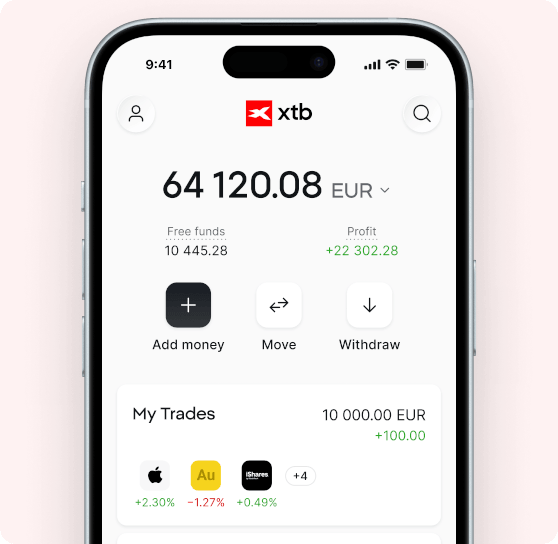
Have all your trades always at hand

With award-winning and easy to use XTB trading app

Latest news

Keep your finger on the pulse with our latest news

⚡ Will US drought fuel speculative gr...
24 April 2026
Daily Summary: The week ends on a pos...
10 July 2026
Three markets to watch next week (10....
10 July 2026
See more news
GET ACCESS

How to trade SOYBEAN with XTB?

1. Open an account

Complete the form and send relevant documents - all without unnecessary formalities.

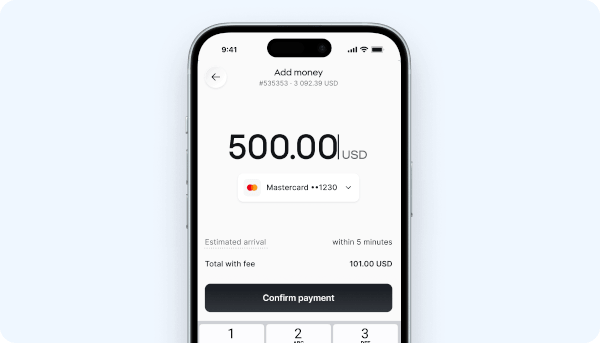
2. Make a deposit

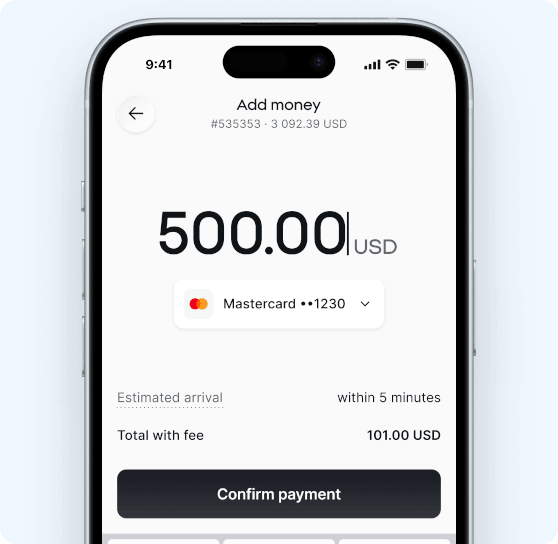
Choose a deposit method convenient for you from a range of available ones, including instant and free payments.

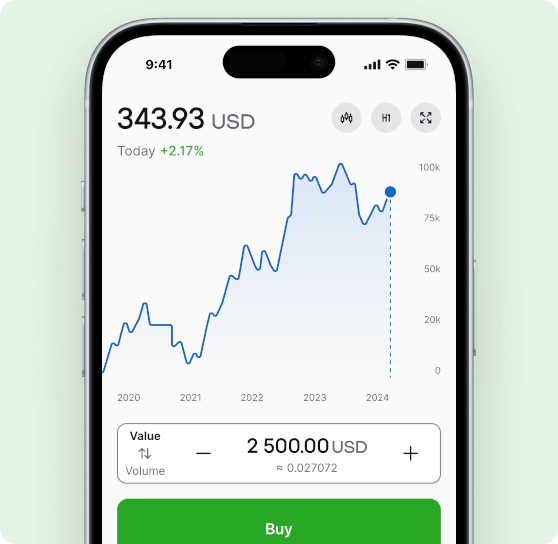
3. Start trading

Choose from 11800+ instruments.

1. Download the app

Visit your mobile store and download our app completely for free

2. Open an account

Complete the form and send relevant documents - all without unnecessary formalities.

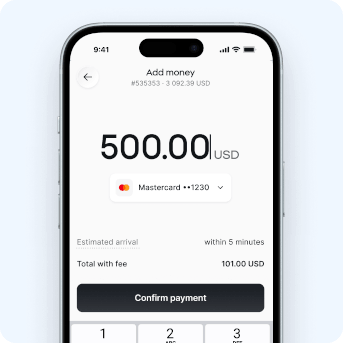
3. Make a deposit and start trading

Choose a deposit method convenient for you from a range of available ones, including instant and free payments.

WHY XTB

Why trade at XTB?

Innovative Platform

We are constantly working on the development of our proprietary and award-winning trading platform to make sure it suits all your needs. Available in both desktop and mobile versions.

Regulation

We are part of the group that is one of the largest stock echange-listed brokers in the world, regulated by several reputable supervisory authorities. It is also worth noting that XTB clients’ funds are being kept in segregated accounts, which means that they are separated from the company’s funds.

Multilingual and highly qualified Customer Support

Our support team is ready to help you 24 hours a day, from Monday to Friday.

TOP INSTRUMENTS

Check out more instruments

All commodities
Education

Explore extensive Knowledge base

Commodity Trading - How to Invest in Commodities
Gold Trading - How to Start Gold Trading Online
Gas Trading - How to Invest in Natural Gas
FAQ

Do you have any questions?

SOYBEAN is a leveraged derivative instrument based on quotations of Soybean CBOT futures contracts. It allows traders to speculate on the price movements of soybeans with less capital, offering both long and short positions.


SOYBEAN allows traders to speculate on the price movements of soybean futures without owning the physical commodity. This leveraged instrument enables traders to gain exposure to soybean prices with a smaller initial investment, but it also involves higher risk due to leverage.


Soybean prices are influenced by various factors, including weather conditions, global supply and demand, economic data, trade policies, and speculative trading activities. Changes in any of these factors can lead to significant price movements.


Investors can gain exposure to SOYBEAN through various financial instruments, including futures contracts, options, and ETFs that track soybean prices. Traders looking for leveraged exposure can choose SOYBEAN CFDs (contracts for difference). However, every trader should be aware that CFD trading may lead to substantial capital losses.


Trading SOYBEAN involves risks such as price volatility, leverage, and market liquidity. Prices can be highly volatile due to factors like weather changes, economic data releases, and speculative trading. Leverage amplifies both gains and losses, making risk management crucial.


Soybean futures contracts are typically settled monthly. Traders need to be aware of contract expiration dates and the settlement process to manage their positions effectively.


It is not possible to determine the "best" commodity to invest in, as the performance of different commodities can vary significantly depending on a wide range of factors. Some common commodities that are traded on the financial markets include oil, gold, and agricultural products.

It is possible for the individuals to speculate on the price of the commodities through e.g. commodity based instruments - such as CFDs and futures contracts or purchasing physical meterials.

It is not possible to determine a "top" commodity, as it depends on a wide range of factors, but top five commodities by global trade volume are: Oil, Natural Gas, Gold, Silver and Copper. However, the popularity of different commodities can vary depending on regional and global economic conditions.
The financial instruments we offer, especially CFDs, can be highly risky. Fractional Shares (FS) is an acquired from XTB fiduciary right to fractional parts of stocks and ETFs. FS are not a separate financial instrument. The limited corporate rights are associated with FS.
This page was not created for investors residing in Brazil. This brokerage is not authorized by the Comissão de Valores Mobiliários (CVM) or the Brazilian Central Bank (BCB). The content of this page should not be characterized as an investment offer in Brazil or for investors residing in that country.
Losses can exceed deposits