

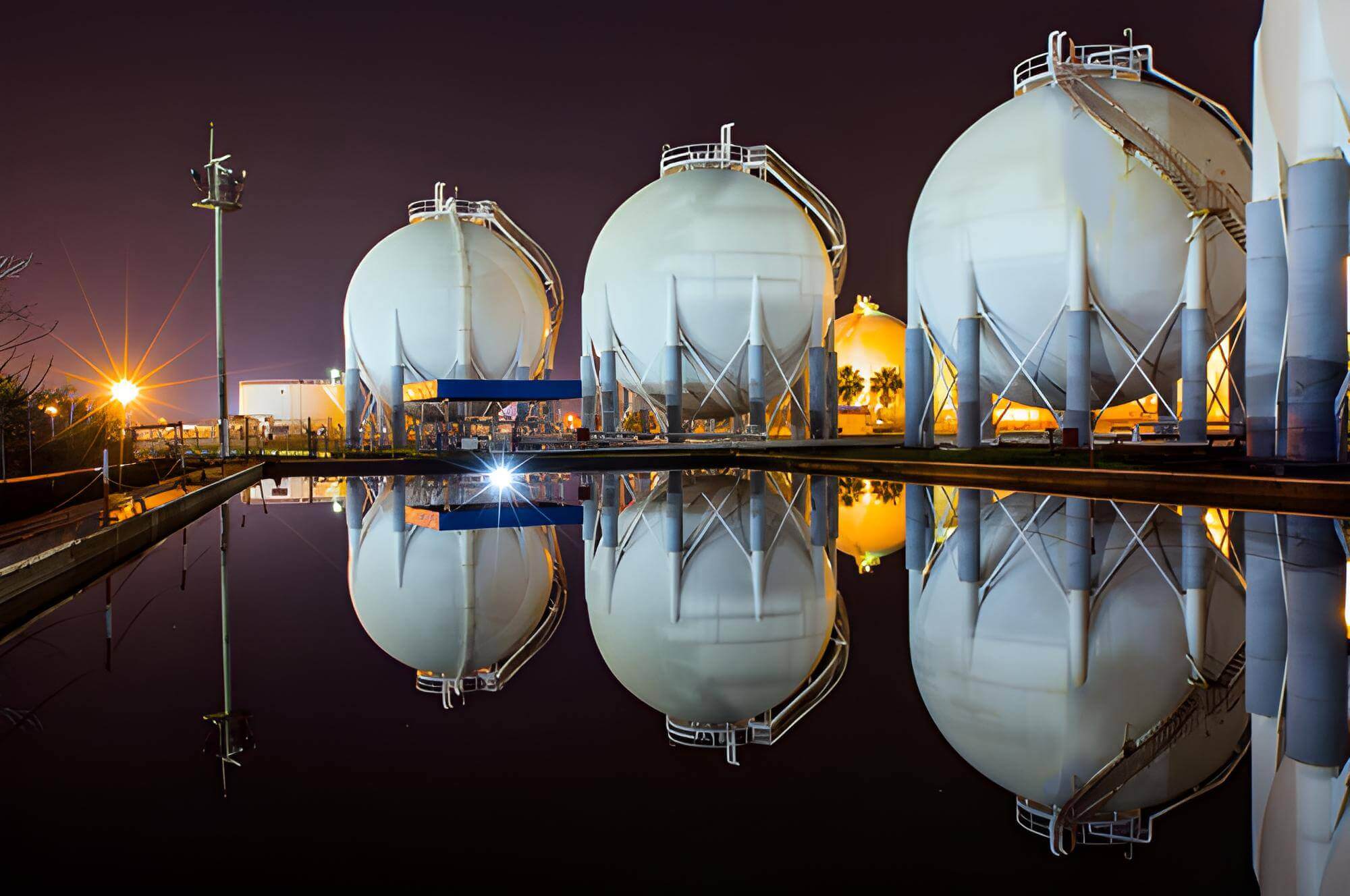

ในตลาดก๊าซยุโรป (Dutch TTF ซึ่งเป็นดัชนีอ้างอิง) วันนี้ราคาก๊าซปรับตัวลงอย่างรุนแรง โดยหลุดต่ำกว่าระดับสำคัญที่ 80 ยูโร/MWh
ช่วงที่ผ่านมา ราคาก๊าซมีความสัมพันธ์กับราคาน้ำมันอย่างชัดเจน จากความกังวลด้านอุปทานในตะวันออกกลาง รวมถึงความต้องการใช้น้ำมันและก๊าซที่เพิ่มขึ้นในเอเชีย อย่างไรก็ตาม แม้สถานการณ์ในภูมิภาคจะค่อนข้างสงบในวันนี้ แต่เมื่อพิจารณาปัจจัยพื้นฐานของตลาดและคาดการณ์ล่าสุดจาก Goldman Sachs พบว่าตลาดพลังงานยุโรปกำลังก้าวเข้าสู่ฤดูหนาวด้วยความผันผวนในระดับสูง
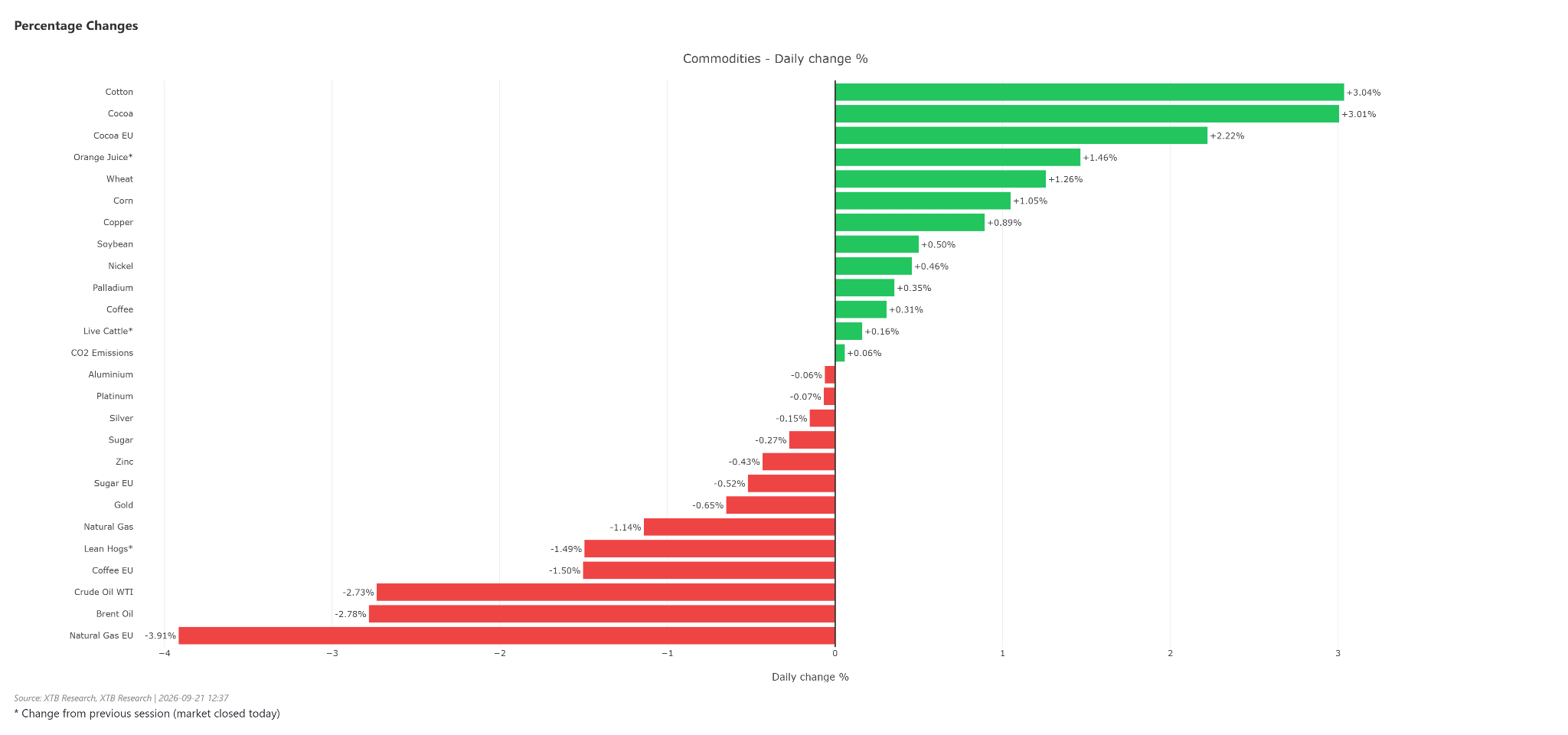
ก๊าซธรรมชาติยุโรปนำตลาดสินค้าโภคภัณฑ์ปรับตัวลงในวันนี้ ตามทิศทางราคาน้ำมันดิบ
ที่มา: XTB
ทำไมราคาก๊าซจึงปรับตัวลงวันนี้ และเกี่ยวข้องกับราคาน้ำมันอย่างไร?
การปรับตัวลงของราคาก๊าซธรรมชาติในตลาด TTF วันนี้ สะท้อนความสัมพันธ์ที่ชัดเจนกับสถานการณ์ในตลาดพลังงานโดยรวม รวมถึงราคาน้ำมันดิบ
- ความเสี่ยงด้านการขนส่งที่เชื่อมโยงกัน: น้ำมันและก๊าซธรรมชาติเหลว (LNG) ต่างพึ่งพาเส้นทางขนส่งสำคัญ โดยเฉพาะช่องแคบฮอร์มุซ ข่าวเกี่ยวกับความต่อเนื่องของอุปทานหรือการดำเนินการทางทหารในตะวันออกกลางสามารถส่งผลต่อ Risk Premium ของสินทรัพย์ทั้งสองได้ทันที เมื่อความกังวลในตลาดน้ำมันผ่อนคลายลงชั่วคราว แรงซื้อสัญญาก๊าซก็ลดลงตามไปด้วย แม้ข้อมูลทางการจะชี้ว่าปริมาณเรือที่ผ่านช่องแคบฮอร์มุซลดลงอย่างมาก แต่ข้อมูลอีกชุดระบุว่าในช่วงสัปดาห์ที่ผ่านมา ซาอุดีอาระเบียยังสามารถขนส่งน้ำมันผ่านช่องแคบดังกล่าวได้มากถึง 3 ล้านบาร์เรลต่อวัน
- ภาวะ Backwardation และการชะลอการซื้อ: ในตลาดฟิวเจอร์สกำลังเกิดโครงสร้างราคาที่เรียกว่า Backwardation ซึ่งราคาสปอตสูงกว่าราคาสัญญาในอนาคต นักวิเคราะห์ชี้ว่า ผู้นำเข้าก๊าซในยุโรปกำลังชะลอการซื้อบางส่วน โดยหวังว่าราคาจะปรับตัวลงต่อ เนื่องจากไม่ต้องการซื้อเชื้อเพลิงในช่วงที่ราคาท้องถิ่นอยู่ในระดับสูงสุด
- .
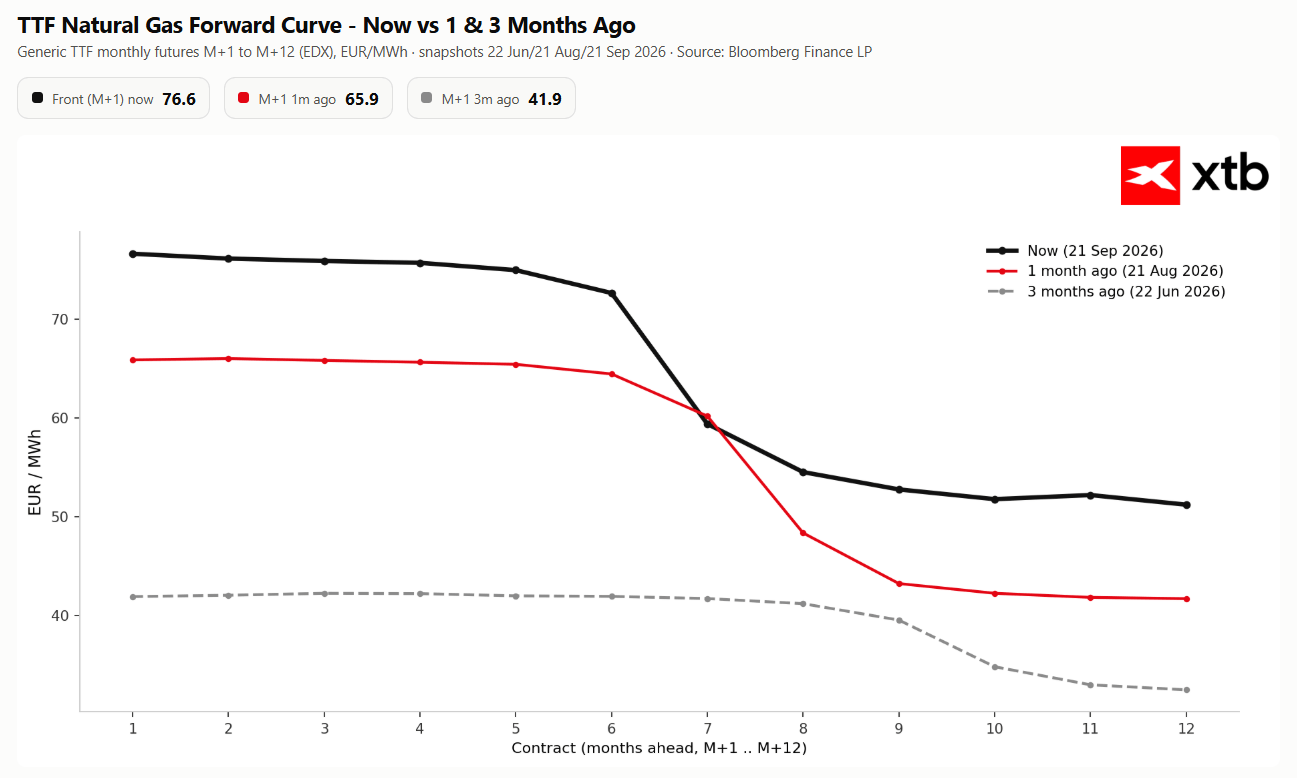
ส่วนต่างที่กว้างมากระหว่างราคาปัจจุบันกับราคาสำหรับช่วงฤดูร้อน ไม่ได้จูงใจให้ผู้ซื้อเร่งเติมสต็อก เพราะการซื้อในราคาสูงตอนนี้อาจหมายถึงการต้องขายขาดทุนในภายหลัง
ที่มา: Bloomberg Finance LP, XTB
ปัจจัยพื้นฐานตลาดยุโรป: สต็อกก๊าซอยู่ในระดับต่ำ และ LNG จากสหรัฐฯ ไหลออกไปยังตลาดอื่น
ขณะที่นักลงทุนตอบสนองต่อข่าวและพาดหัวต่าง ๆ ข้อมูลตลาดในเดือนกันยายน 2026 สะท้อนว่า ตลาดก๊าซยุโรปกำลังเผชิญภาวะอุปทานที่ตึงตัวมากขึ้น
- ระดับก๊าซในคลังของ EU: ข้อมูล ณ วันที่ 21 กันยายน 2026 ระบุว่า คลังเก็บก๊าซในยุโรปมีปริมาณก๊าซอยู่ที่ 69.4% ซึ่งต่ำกว่าค่าเฉลี่ย 5 ปีของช่วงเวลาเดียวกันอย่างมากที่ 85.1% และต่ำกว่าระดับในช่วงเดียวกันของปี 2025 ที่ 81.6%
- LNG ไหลออกไปยังเอเชียและอียิปต์: เป็นครั้งแรกในรอบระยะหนึ่งที่สัดส่วนการส่งออก LNG จากสหรัฐฯ ไปยังยุโรปลดลงต่ำกว่า 42% จากกว่า 50% เมื่อเดือนก่อน ผู้ส่งออก LNG ของสหรัฐฯ หันไปส่งสินค้าให้เอเชียมากขึ้น เนื่องจากส่วนต่างราคาที่สูงกว่าบนดัชนี JKM ($17.33/MMBtu เทียบกับ $13.19/MMBtu บน TTF) รวมถึงอียิปต์ ซึ่งนำเข้า LNG สูงเป็นประวัติการณ์ที่ 1.06 ล้านตัน
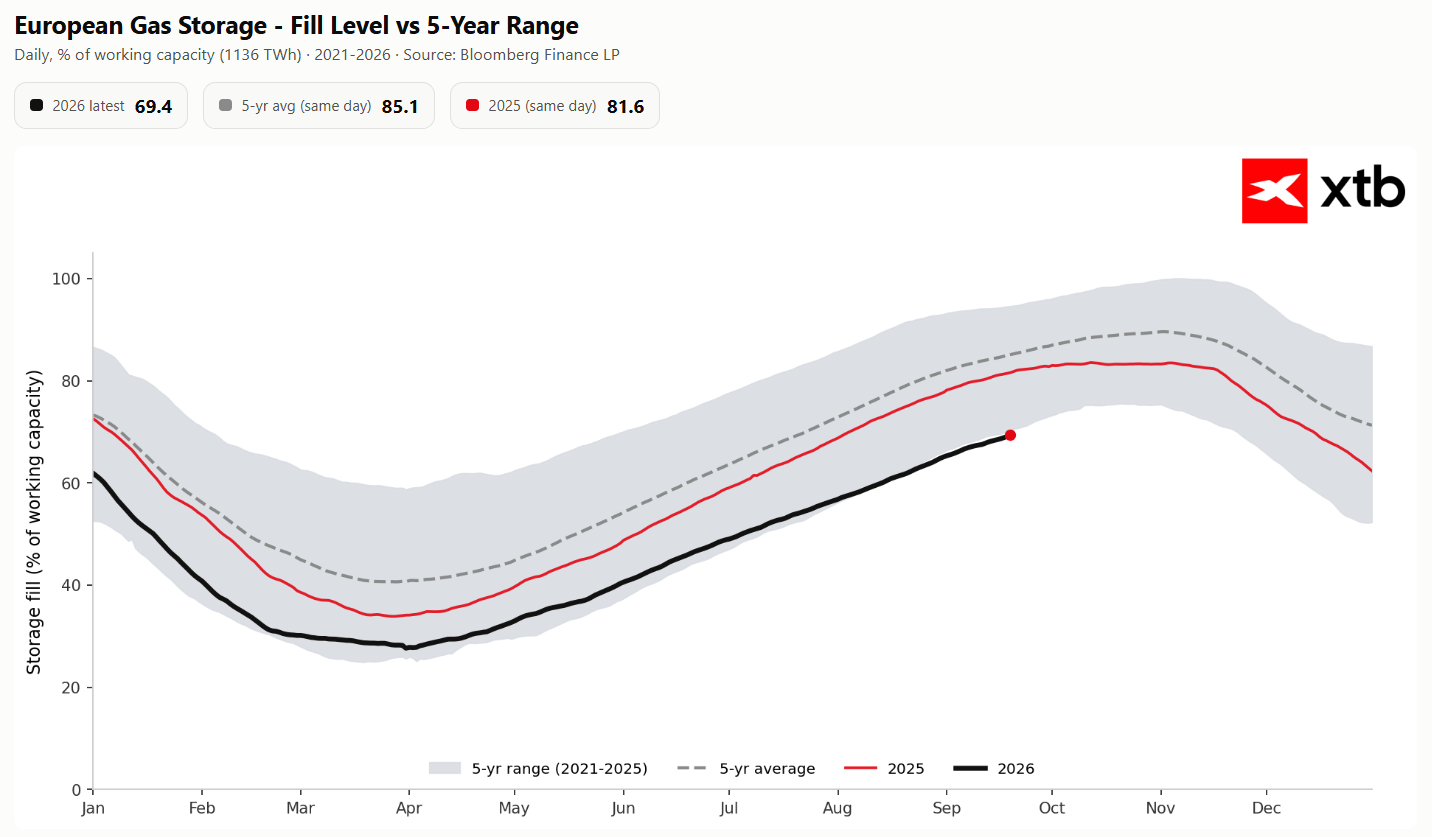
Storage capacity levels are significantly lower than the 5-year average and last year's levels. Source: Bloomberg Finance LP, XTB
Goldman Sachs warns: Base case and extreme risk scenario
Goldman Sachs issued a report warning that the gas market is currently pricing in a "two-sided game" dependent on the functionality of sea routes in the Persian Gulf.
Base Case Scenario
- Target TTF price: approx. 70 EUR/MWh (~25 USD/MMBtu) by the end of the year.
- Assumptions: Gradual normalization of LNG transport through the Strait of Hormuz and moderate winter weather conditions.
Bull Case Scenario (Extreme Risk)
- Target TTF price: 105 EUR/MWh (~35 USD/MMBtu).
- Assumptions: Continued blockades or disruptions in Persian Gulf LNG exports under average winter weather conditions.
Demand Destruction Mechanism
Goldman Sachs estimates that crossing the threshold of 30 USD/MMBtu (approx. 88–90 EUR/MWh) will trigger a sharp drop in industrial demand. In Asia (e.g., India), industry will begin curtailing gas consumption, and in China, a massive switch from gas to cheaper coal will occur.
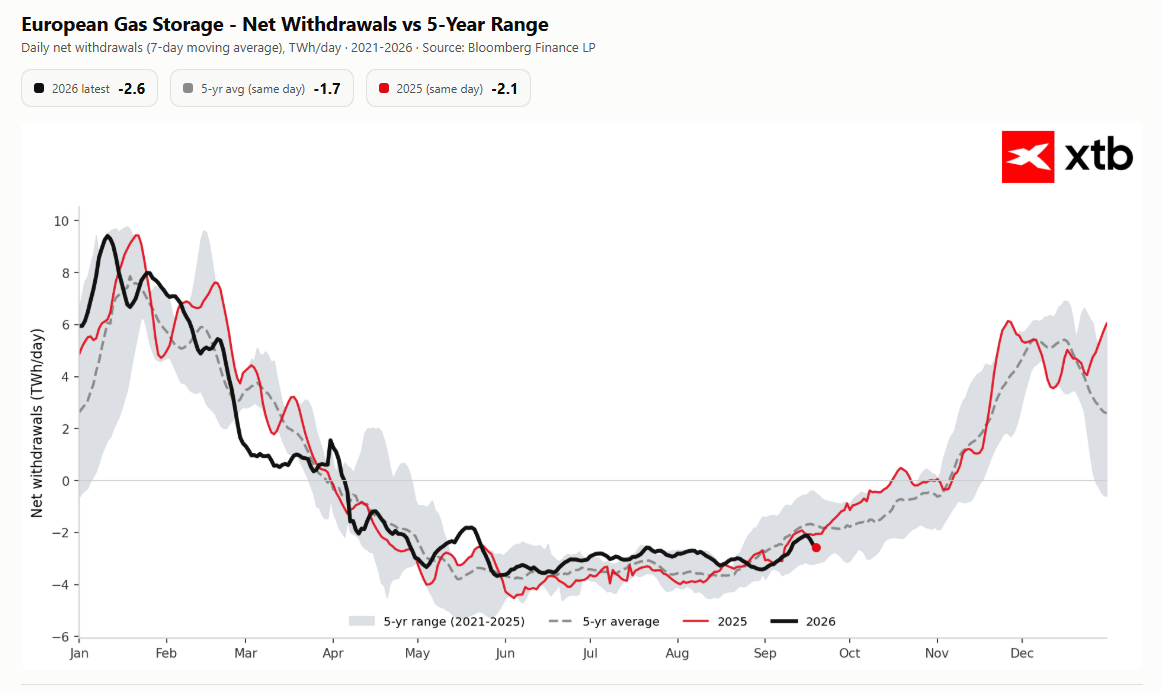
At the moment, gas withdrawals from European storage systems are running below the 5-year average. Hope for European consumers lies in a delayed start to the heating season, as occurred during strong El Niño years like 2015 and 2023. Source: Bloomberg Finance LP, XTB
Macroeconomic Pressure and the ECB
An increase in TTF prices toward the projected 105 EUR/MWh would immediately translate into higher energy costs for European industry and households. This could spark a second wave of inflation, forcing the European Central Bank (ECB) to reconsider interest rate hikes.
Summary and Technical Analysis
The current price pullbacks on the TTF exchange are purely tactical and technical in nature. The fundamental supply-demand balance in Europe remains tight due to lower storage inventories (69.4%) and price competition for LNG cargoes with the Asian market.
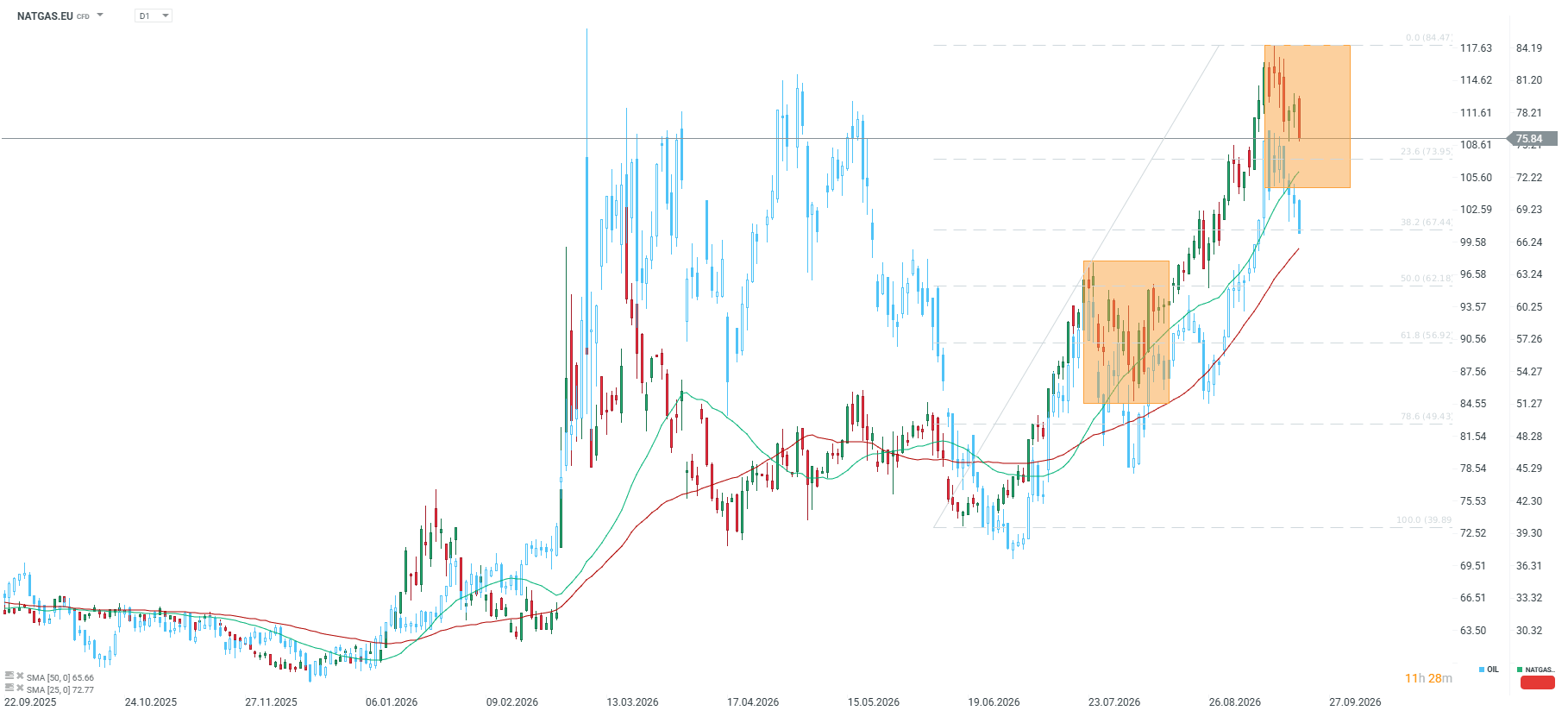
From a technical standpoint, European gas remains in a clear uptrend that pushed prices from around 40 in the second half of June up to the 84.47 area, where a local peak formed. We are currently observing a correction of this dynamic move, with the price retracing to 75.82 toward the 23.6% Fibonacci retracement at 73.95. This is the first significant test for buyers following the recent bullish wave.
The structure still favors the bulls. Quotes remain above both key moving averages—the SMA25 at 72.77 and the rising SMA50 at 65.66, with the moving averages aligned in a classic bullish trend. Importantly, the 23.6% retracement zone nearly coincides with the SMA25, creating double support between 72.80 and 73.95. Defending this area would signal that this is merely a breather before another attempt at the highs.
Holding this support opens the door to retesting the 84.47 barrier, and breaking above it would continue the move north. An alternative scenario activates only upon a sustained break below 72.77, which would turn attention toward the 38.2% retracement at 67.44, reinforced by the SMA50 at 65.66. However, as long as price holds above the moving average cluster, the bulls maintain the advantage, with energy supply disruptions acting as the fundamental fuel for further gains.



Economic Calendar: เปิดฤดูกาลประกาศผลประกอบการ Wall Street ธนาคารกลางออสเตรเลียส่งสัญญาณเข้มงวด ท่ามกลางความตึงเครียดในตะวันออกกลาง



Morning Wrap: หุ้นเทคเอเชียร่วงหนัก ธนาคารกลางส่งสัญญาณเข้มงวด ท่ามกลางวิกฤตราคาน้ำมัน



📊 ตลาดหุ้นยุโรปฟื้นตัว แม้ราคาน้ำมันและดอลลาร์ปรับตัวสูงขึ้น


มาตรการกำกับดูแลครั้งใหญ่ของ RBI จะช่วยกอบกู้ค่าเงินรูปีได้หรือไม่?